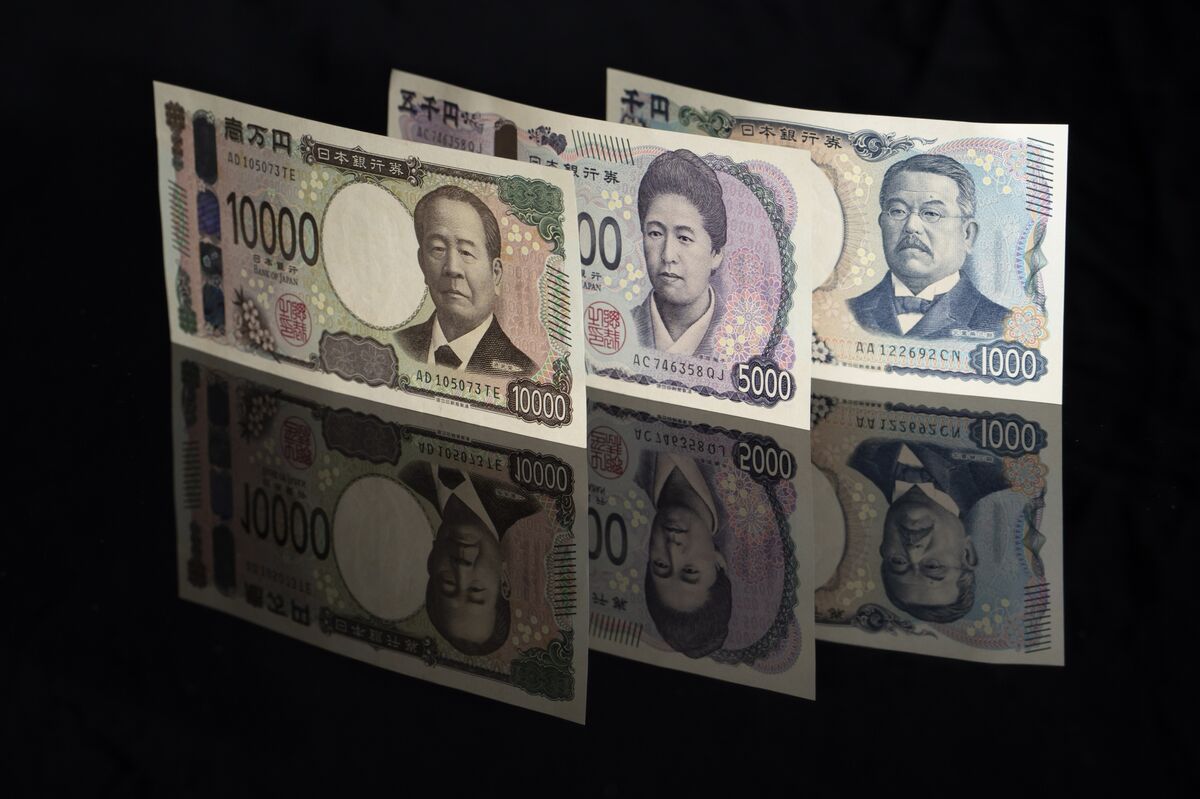
Key facts
- The Japanese yen has neared the 160 per dollar level.
- Japanese officials have issued warnings about potential intervention against currency volatility.
- Middle East tensions are boosting demand for the U.S. dollar as a safe-haven asset.
- Strong U.S. economic data is supporting the dollar.
- The dollar index has held near two-month highs.
- Japanese bond yields have reached 40-year highs.
- The Bank of Japan Governor has signaled a high chance of a rate hike this month.
- Bearish yen positions have reached their largest since July 2024.
- Brent crude futures have risen above $90 per barrel.
- Markets are awaiting U.S. nonfarm payrolls data, forecast at 85,000 jobs added in May.
The Japanese yen has approached and tested the 160 per dollar level for multiple consecutive sessions, a threshold that has previously triggered warnings from Japanese officials regarding potential intervention. These warnings, issued by figures including Finance Minister Satsuki Katayama, signal readiness for decisive action against excessive currency volatility. The yen is on track for its fourth consecutive weekly loss against the dollar, with bearish positions reaching their largest since July 2024. The dollar's strength is attributed to several factors, including safe-haven demand amid escalating Middle East hostilities, which have also pushed Brent crude futures above $90 per barrel. Strong U.S. economic data, particularly in the services sector, and anticipated Federal Reserve rate hikes further support the dollar. The dollar index has held near two-month highs, though it saw a slip as optimism for a Lebanon ceasefire grew. Markets are currently awaiting key U.S. economic indicators, including the nonfarm payrolls report, forecast to show 85,000 jobs added in May, and U.S. jobs data. Speculators are reportedly exiting net long positions in the euro, with euro futures reversing early gains. Amidst these currency movements, Japanese bond yields have reached their highest levels in 40 years, driven by national budget concerns and a 'red flag' raised by Prime Minister Takaichi. However, a recent auction for Japan's 10-year government bonds saw firm demand from investors attracted by these high yields, causing the yield to subsequently fall. A former Bank of Japan policymaker has warned of a potential return to economic stagnation if an early interest rate hike is not implemented, with SMBC Nikko Securities suggesting Japan is nearing a historic currency collapse. The Bank of Japan Governor Kazuo Ueda has signaled a high chance of a rate hike this month, a sentiment echoed by the potential for a June rate hike. Despite the yen approaching the significant 160.0 level, implied volatility in the USD/JPY currency pair remains low, a trend observed across G10 currencies, coinciding with the start of a seasonally strong trading month. Australian Dollar futures have risen, approaching four-year highs, supported by the Reserve Bank of Australia's inflation fight.