Key facts
- The U.S. and Japan conducted a rare joint currency intervention.
The U.S. and Japan have conducted a rare joint currency intervention, selling euros for yen to support the Japanese currency. This action led to modest yen gains and a decline in Bitcoin prices, as it revived fears of a carry trade unwind. The intervention aims to strengthen the yen without signaling a weaker dollar, which could impact U.S. inflation control. Analysts suggest further intervention may occur if the yen resumes its slide, while the move also highlights Japan's significant holdings of U.S. Treasurys and potential shifts in demand for U.S. debt.
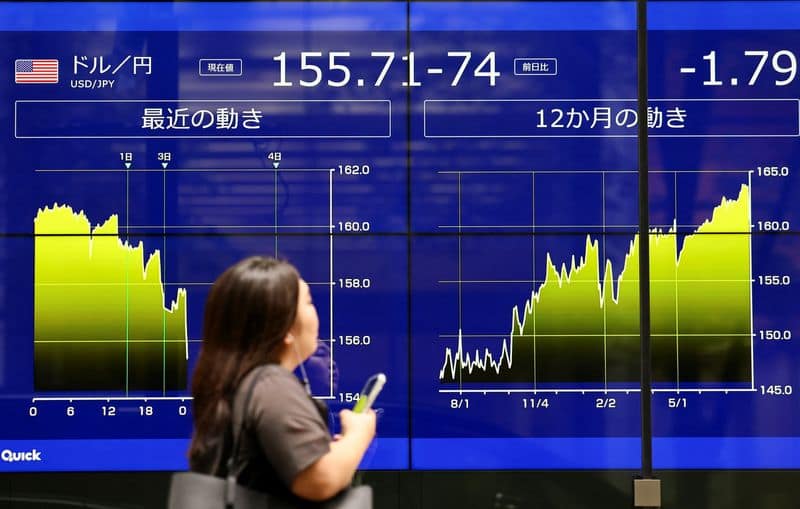
The U.S. and Japan have executed a rare, coordinated foreign exchange intervention aimed at supporting the Japanese yen. This unusual move involved the U.S. Treasury selling euros for yen, a strategy designed to bolster the yen's value without explicitly weakening the dollar, which could complicate U.S. inflation control efforts. The intervention has resulted in modest gains for the yen, which had previously fallen to 40-year lows. Analysts suggest that further joint interventions are likely if the yen shows signs of resuming its downward trend. Atsushi Takeuchi, a former central bank official, stated that Japan and the U.S. would "certainly" intervene again under such circumstances.
The intervention has had ripple effects across financial markets. Bitcoin experienced a decline of more than 2% following the news, as the action revived fears of a carry trade unwind. This unwind has previously impacted cryptocurrency markets. Global stocks have drifted, and pressure is building on Japanese government bonds due to weaker auction demand. The intervention also draws attention to Japan's significant holdings of U.S. Treasurys. While direct sales of these assets by Japan are considered unlikely, rising Japanese government bond yields could potentially reduce Japan's demand for U.S. debt, presenting a challenge for Treasury demand.
This joint action is considered highly unusual, particularly the U.S. Treasury's direct involvement in selling euros for yen. The primary objective appears to be strengthening the yen to curb imported inflation in Japan, while simultaneously avoiding any signal of a weaker dollar policy that could exacerbate U.S. inflation. The intervention underscores the interconnectedness of global financial markets and the potential for coordinated action to influence currency valuations and broader market sentiment. The effectiveness and duration of this intervention remain to be seen, with market participants closely watching for any signs of renewed yen weakness.
The U.S. and Japan have executed a rare, coordinated foreign exchange intervention aimed at supporting the Japanese yen. This unusual move involved the U.S. Treasury selling euros for yen, a strategy designed to bolster the yen's value without explicitly weakening the dollar, which could complicate U.S. inflation control efforts. The intervention has resulted in modest gains for the yen, which had previously fallen to 40-year lows. Analysts suggest that further joint interventions are likely if the yen shows signs of resuming its downward trend. Atsushi Takeuchi, a former central bank official, stated that Japan and the U.S. would "certainly" intervene again under such circumstances.