Key facts
- UK shop price inflation was flat in June.
- UK shop price inflation was also flat in May.
- Slowing food price inflation contributed to the stable shop price inflation.
- Fresh food costs fell in June.
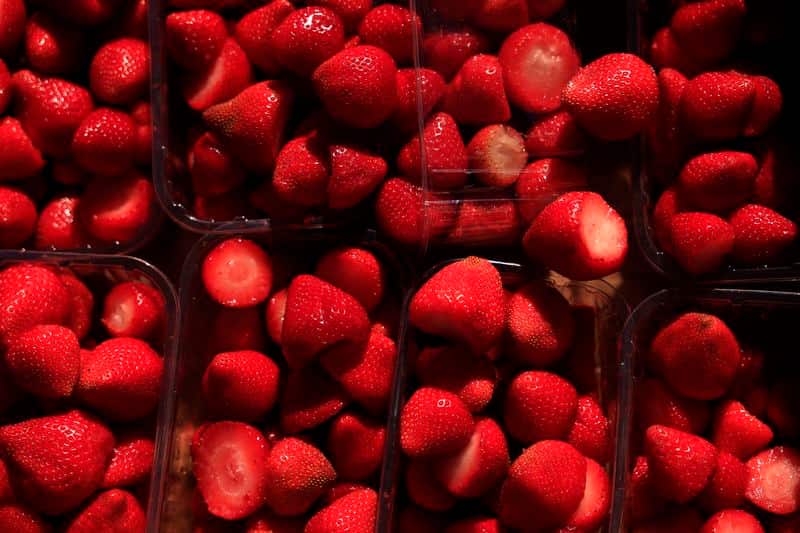
- Summer promotions on strawberries and ice cream contributed to falling fresh food costs.
- Energy prices continued to rise.
- British business confidence in the economic outlook declined in June.
- Firms remained optimistic about their own trading prospects.
- Manufacturing sector confidence saw a notable drop in June.
UK shop price inflation remained unchanged in June, holding steady at the same rate as in May. This sustained level of inflation is largely due to a slowdown in food price increases. Specifically, fresh food costs saw a decrease, a trend attributed to summer promotional activities on products such as strawberries and ice cream. These price reductions in fresh food have helped to offset the impact of rising energy prices on overall shop inflation.
In parallel, British businesses experienced a decline in confidence regarding the broader economic outlook during June. A survey conducted by Lloyds indicated this dip in sentiment. Despite the general decrease in confidence about the economy, businesses generally maintained a positive outlook concerning their own specific trading prospects. However, the manufacturing sector reported a more significant drop in confidence compared to other sectors.
The stability in shop price inflation suggests that while some cost pressures, like energy prices, persist, other factors such as competitive pricing on seasonal goods are mitigating broader inflationary trends at the retail level. The decline in business confidence, conversely, points to ongoing concerns among companies about the wider economic environment, even as they remain hopeful about their immediate operational performance.