Key facts
- Sri Lanka's central bank does not expect further interest rate hikes this year.
- Sri Lanka's inflation is expected to peak near current levels before declining to 5% next year.
- South Korea's central bank is expected to raise interest rates further.
- Kenya's central bank maintained its benchmark interest rate at 13.00% for the seventh consecutive meeting.
- Kenya's central bank cited persistent inflation and the need to anchor inflation expectations for its rate decision.
- BRICS nations are discussing linking their fast payment systems and CBDCs.
- The goal of BRICS discussions is to reduce cross-border payment costs.
- Reserve Bank of India Governor Sanjay Malhotra is involved in the BRICS discussions.
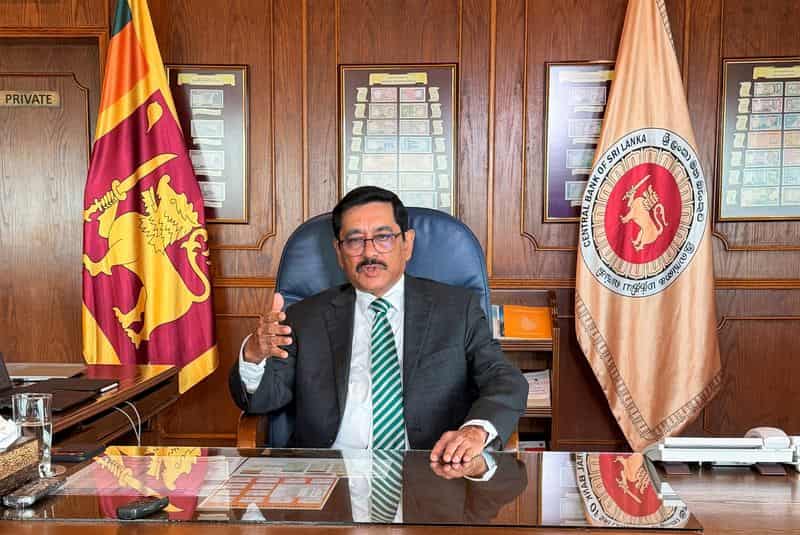
Sri Lanka's central bank does not anticipate further interest rate increases for the remainder of the year, according to Governor P. Nandalal Weerasinghe. The bank projects that inflation will peak near its current levels before gradually declining towards the 5% target by next year. This stance suggests a pause in monetary tightening for Sri Lanka.
In contrast, South Korea's central bank is likely to pursue additional interest rate hikes, as indicated by outgoing deputy chief Ryoo Sang-dai. He cited the nation's domestic economic recovery and demand-driven inflation as primary concerns necessitating further tightening.
Kenya's central bank has maintained its benchmark interest rate at 13.00%, marking the seventh consecutive meeting without a change. This decision stems from ongoing concerns about persistent inflation and the necessity of anchoring inflation expectations. This move by Kenya's central bank reflects a global trend where many central banks are holding rates steady amidst prevailing economic uncertainties.
Separately, BRICS nations are actively discussing the potential for linking their respective fast payment systems and central bank digital currencies (CBDCs). Reserve Bank of India Governor Sanjay Malhotra stated that these ongoing discussions aim to reduce the costs associated with cross-border payments. Various integration options are reportedly under consideration by the member nations.