Key facts
- Sri Lanka's central bank does not foresee further interest rate hikes this year.
- Inflation is expected to peak around current levels and ease towards the 5% target next year.
- The central bank implemented a surprise 100 basis-point rate hike in May.
- Current inflation in July stood at 7.3%, driven by rising energy prices.
- The full impact of the May rate increase is expected to take 12-18 months to materialize.
- The central bank aims to increase foreign exchange reserves to $8 billion by year-end.
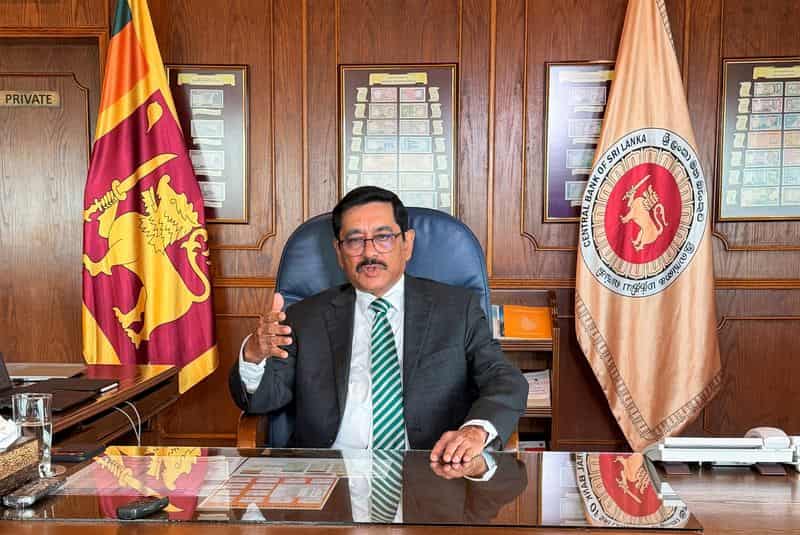
Sri Lanka's central bank does not anticipate further interest rate increases this year, with Governor P. Nandalal Weerasinghe stating that inflation is expected to peak around current levels before easing towards the 5% target next year. This comes after a surprise 100 basis-point hike in May, the first in over three years, aimed at curbing inflation fueled by rising energy prices.
Weerasinghe described the May increase as a "proactive" measure, noting that current inflation, which reached 7.3% in July, is broadly in line with the central bank's expectations. He emphasized that any future policy adjustments would depend on deviations from the expected inflation path. The full economic impact of the May rate hike is anticipated to take 12 to 18 months to manifest.
The central bank is likely to maintain its current monetary policy steady at 8.75% for the remainder of the year, with the next rate announcement scheduled for September 30. Like other energy-importing nations, Sri Lanka has been affected by high crude oil prices, leading to a more than 35% increase in domestic fuel prices and the introduction of rationing measures.
Despite global headwinds, Sri Lanka's economy is projected to grow by 4%-5% annually, recovering from a significant contraction in 2022. Weerasinghe justified the central bank's stance by highlighting that low inflation is a prerequisite for future growth. The International Monetary Fund supports the central bank's approach and has released $695 million of its $2.9 billion program, forecasting 3% growth for the current year.
A key priority for the governor is to bolster foreign exchange reserves, which currently stand at approximately $6.6 billion, to about $8 billion by year-end, to manage rising fuel import costs and rebuild external buffers.