Key facts
- South Korea's central bank is likely to raise interest rates further due to persistent inflation.
- Outgoing Deputy Governor Ryoo Sang-dai stated that additional rate hikes are probable unless extraordinary factors intervene.
South Korea's central bank is expected to raise interest rates further to combat persistent inflation, according to the outgoing deputy chief. Ryoo Sang-dai cited domestic economic recovery and demand-driven inflation as key concerns.
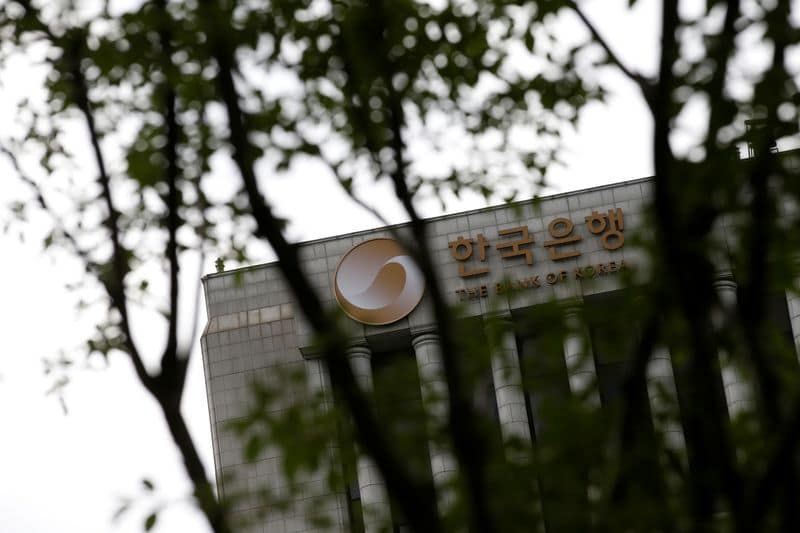
The central bank's potential rate hikes signal a continued focus on controlling inflation, which could impact borrowing costs for businesses and consumers in South Korea and influence the country's economic growth trajectory.
South Korea's central bank is likely to implement further interest rate hikes to address ongoing inflationary pressures, according to the outgoing deputy chief, Ryoo Sang-dai. Speaking at a press conference as his term concludes, Ryoo indicated that an additional rate increase is probable unless unforeseen circumstances arise, emphasizing that interest-rate policy is conducted preemptively.
The Bank of Korea (BOK) raised rates for the first time in three-and-a-half years last month, signaling more increases were possible due to risks from a recovering economy. Ryoo stated the central bank is more concerned about demand-driven inflation stemming from the domestic economic recovery than supply shocks, such as those potentially arising from Middle East conflicts.
Ryoo noted that while recent currency gains and stock market volatility might be discussed, they are not primary drivers of policy decisions. He would consider export and credit card spending data for future policy choices. Although July inflation data softened to a three-month low, policymakers remain vigilant about upward price pressures. The South Korean economy, heavily reliant on trade, saw stronger-than-expected growth in the second quarter, boosted by chip exports.
Ryoo refrained from specifying the pace or magnitude of any future rate hikes. He also commented that the exchange rate, trading near 10-month highs around 1,400 won per dollar, continues to exert significant upward pressure on inflation, though he anticipates a broader trend of further declines.