Key facts
- KEPCO will keep electricity rates frozen for the third quarter.
- The adjusted fuel cost will be maintained at 5 won per kWh.
- KEPCO is experiencing ongoing financial difficulties.
- Budget Minister Park Hong-keun met with fiscal experts.
- South Korea is experiencing a significant increase in tax revenue.
- The tax revenue surge is driven by the AI and semiconductor industries.
- The government aims to leverage the tax revenue surge for future investments.
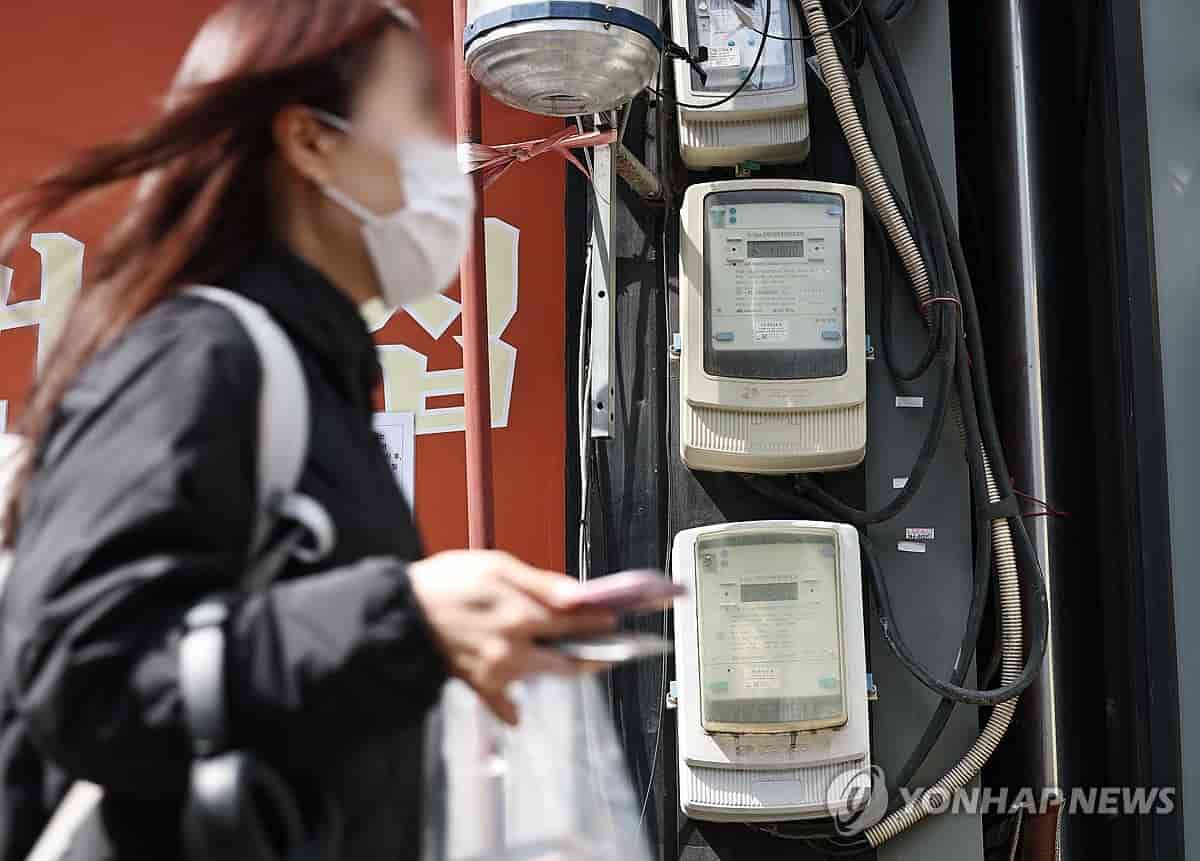
South Korea's state-run Korea Electric Power Corp. (KEPCO) has announced that electricity rates will remain unchanged for the third quarter. The adjusted fuel cost will be maintained at the maximum allowable rate of 5 won per kilowatt-hour (kWh). This decision comes despite market conditions that might otherwise suggest a reduction in electricity prices. The primary reason cited for the rate freeze is KEPCO's ongoing financial difficulties, which the company is working to address.
In parallel, South Korea's Budget Minister Park Hong-keun has been engaging with fiscal experts to deliberate on the nation's policy directions. This discussion is taking place against the backdrop of a substantial increase in tax revenue. This revenue surge is significantly attributed to the booming AI and semiconductor industries, which are driving economic growth. The government intends to strategically utilize this increased fiscal capacity for future investments aimed at further economic development and stability.
The dual developments highlight contrasting economic pressures and opportunities within South Korea. KEPCO's financial strain necessitates maintaining revenue streams through frozen electricity prices, impacting consumers and businesses. Conversely, the robust tax collection, bolstered by high-tech sectors, provides the government with resources for proactive policy implementation and investment, signaling a focus on leveraging technological advancements for national economic strategy.