Key facts
- The Reserve Bank of India maintained its benchmark repo rate at 5.25%.
India's central bank, the Reserve Bank of India (RBI), has maintained its benchmark repo rate at 5.25% and a neutral monetary policy stance, despite facing pressures from a depreciating rupee and rising inflation risks. The RBI also lowered its GDP forecast for FY27 to 6.6% while raising its inflation projection to 5.1%. To support the rupee, the bank is implementing measures such as scrapping capital gains tax for foreign bondholders and maintaining net open position restrictions. These decisions come as the rupee has seen volatility due to Middle East energy shocks and geopolitical tensions, though it recently experienced a slight strengthening. India's foreign exchange reserves have also seen a marginal increase, reaching $682.3 billion.
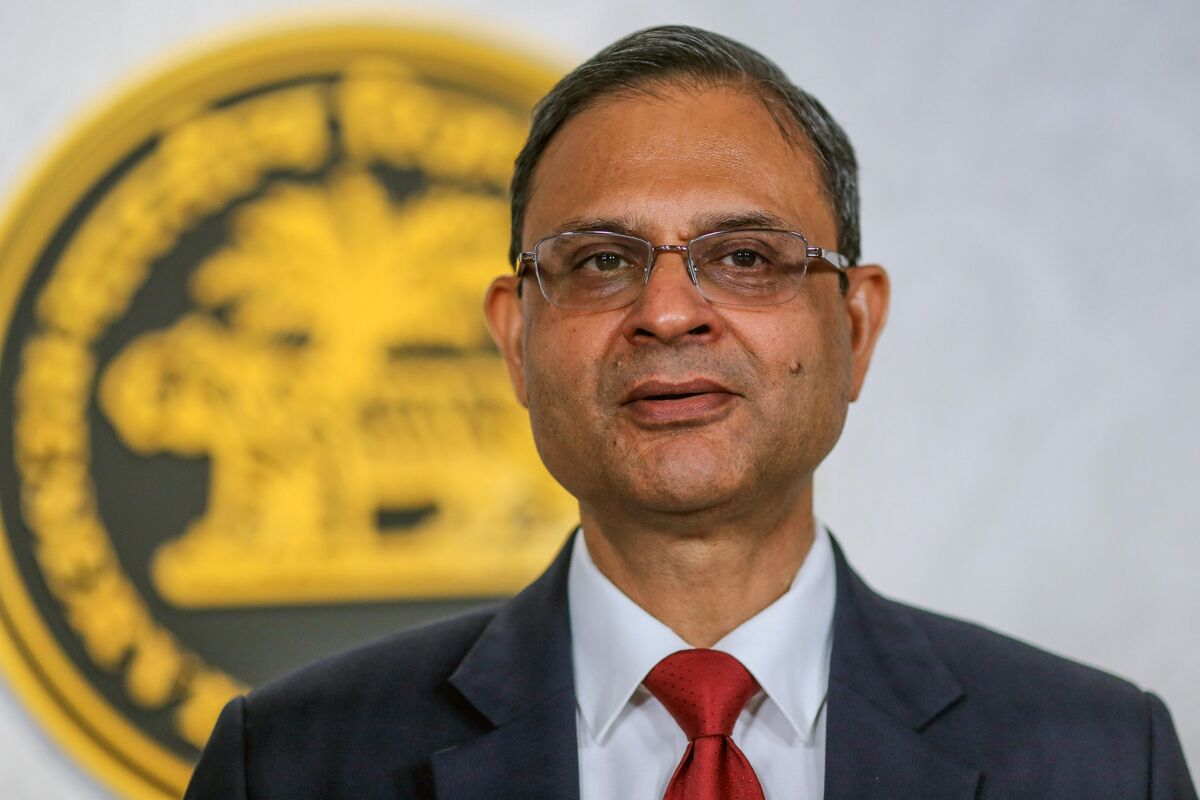
The Reserve Bank of India (RBI) has decided to hold its benchmark repo rate steady at 5.25%, maintaining a neutral monetary policy stance. This decision comes amid significant economic pressures, including a depreciating rupee, rising inflation risks, and concerns stemming from Middle East energy shocks. The central bank has also revised its economic outlook, lowering the Gross Domestic Product (GDP) forecast for the fiscal year 2027 (FY27) to 6.6% while simultaneously increasing the inflation projection for the same period to 5.1%.
In an effort to bolster the Indian rupee, which has hit record lows due to rising oil prices linked to Middle East tensions, the RBI is introducing several supportive measures. These include the removal of capital gains tax for foreign portfolio investors in government bonds, a move aimed at attracting foreign investment. Furthermore, RBI Governor Shaktikanta Das confirmed that there are no immediate plans to discontinue the net open position restrictions, which were initially implemented at the end of March. Despite these challenges, the rupee saw a notable gain of 0.9% against the US dollar, closing at 94.9450, its largest daily increase since April 2. Forward premiums, an indicator of foreign exchange hedging costs, have fallen to their lowest point this financial year.
The broader economic context includes a slight recovery in India's foreign exchange reserves, which rose to $682.3 billion in the latest reported week, recovering from a more than one-year low of $681.4 billion in the preceding week. Globally, the US dollar is anticipated to trade within a range in the near term before potentially weakening later in the year, influenced by factors such as optimism over Middle East conflict resolution and its temporary inflationary impact, though geopolitical risks persist. Traders are closely monitoring upcoming US economic data and Middle East developments, with a keen eye on the Federal Reserve's interest rate trajectory amidst ongoing geopolitical uncertainties.
The Reserve Bank of India (RBI) has decided to hold its benchmark repo rate steady at 5.25%, maintaining a neutral monetary policy stance. This decision comes amid significant economic pressures, including a depreciating rupee, rising inflation risks, and concerns stemming from Middle East energy shocks. The central bank has also revised its economic outlook, lowering the Gross Domestic Product (GDP) forecast for the fiscal year 2027 (FY27) to 6.6% while simultaneously increasing the inflation projection for the same period to 5.1%.