Key facts
- Economic activity expanded slightly to moderately in most Federal Reserve districts.
- Consumer spending is bifurcated, with higher-income households resilient and lower-income consumers showing strain.
- Inflation increased at a moderate to strong pace, driven by energy costs.
- Inflationary pressures are increasing across all U.S. states, regardless of political leaning.
- Consumers are rethinking spending habits, shifting towards essentials due to rising fuel prices.
- High gasoline prices are influencing dating habits, leading to reconsidered travel and cost expectations.
- Consumer confidence in job prospects and financial situations has decreased despite strong hiring.
- Kansas City Fed President Hammack views high and rising inflation as a greater concern than the jobs market balance.
- Dallas Fed President Logan believes monetary policy needs to become restrictive to meet the 2% inflation target.
- San Francisco Fed President Daly states AI is not currently driving inflation and may be deflationary in 5-10 years.
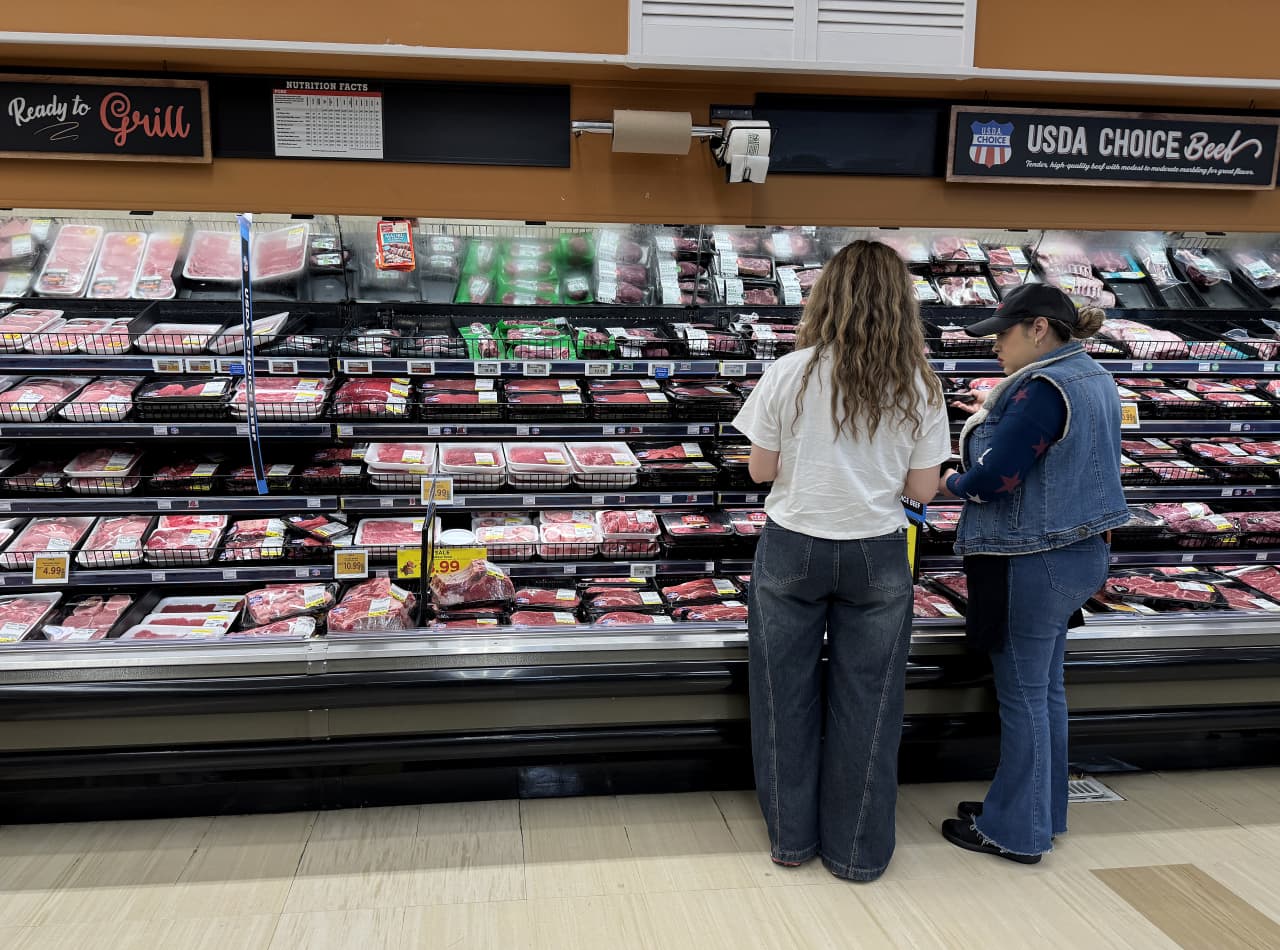
The latest Federal Reserve Beige Book report reveals that economic activity expanded slightly to moderately across most districts, but highlights a "K-shaped" economy with widening disparities. Higher-income households are demonstrating resilience, while lower-income consumers are showing signs of strain. Inflation has increased at a moderate to strong pace, with energy costs identified as a primary driver. This inflationary pressure is not confined to specific regions or political affiliations, as it is rising across all U.S. states, affecting both Republican and Democratic states broadly.
Consumers are actively rethinking their spending habits in response to these economic conditions, particularly the rise in fuel prices. Retailers are observing a shift towards purchasing essential goods, with a reduction in non-essential purchases. Geopolitical events are influencing fuel prices, which in turn are impacting consumer behavior. High gasoline prices are even influencing dating habits, leading singles to reconsider long-distance travel and expect dates to contribute to transportation costs, prioritizing proximity and cost-effectiveness.
Despite the strong labor market characterized by resilient and strong hiring, consumer confidence regarding job prospects and financial situations has decreased, according to the New York Federal Reserve. This sentiment decline persists even as the economy shows signs of robust employment. Some Federal Reserve officials have voiced concerns about the persistence of inflation. Kansas City Fed President Hammack indicated that while the jobs market is balanced, high and rising inflation is a greater concern, suggesting that persistent inflation could warrant decisive action, potentially including rate hikes if recent trends continue. The market is now pricing in a higher probability of a September rate hike.
Dallas Fed President Lorie Logan believes current monetary policy is neutral or "a bit loose" and needs to become restrictive to bring inflation down to the 2% target, noting that inflation is trending towards 2.5%. Conversely, San Francisco Fed President Mary Daly stated that artificial intelligence (AI) is not currently driving inflation and may even act as a deflationary force in the long term, attributing current inflation to tariffs and energy/food prices, not AI. She emphasized the Fed's 12-month policy horizon.