Key facts
- Brazil's annual inflation eased to 4.44% in July.
- Brazil's central bank views inflation as demand-driven.
- Brazil is exploring cross-border integration for its Pix payment system.
- South Korea's central bank is expected to raise interest rates further.
- U.S. Treasury 30-year yields are nearing a 20-year high.
- Fitch Ratings affirmed India's credit rating at 'BBB-' with a stable outlook.
- Sri Lanka's central bank does not anticipate further rate hikes this year.
- BRICS nations are discussing linking payment systems and CBDCs.
- Inflation in Sri Lanka is expected to decline towards a 5% target next year.
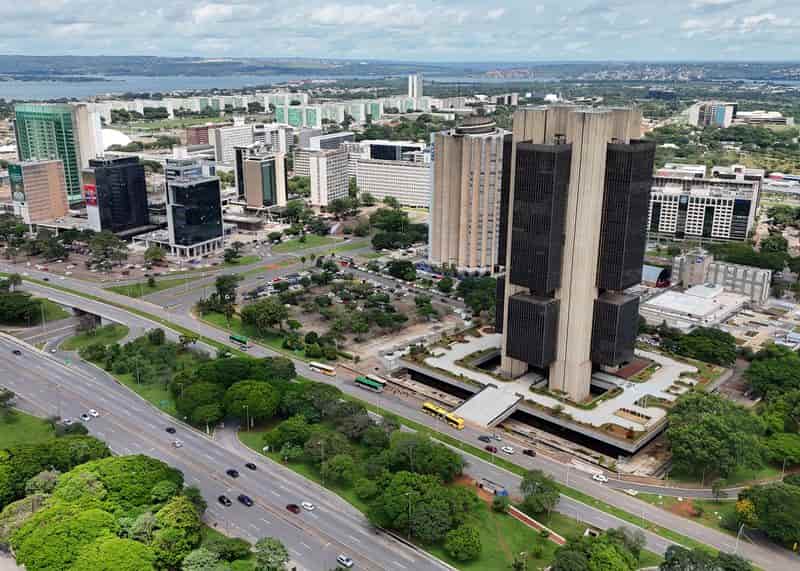
Central banks globally are grappling with inflation and considering their next policy moves. Brazil's central bank observes that annual inflation has eased to 4.44% in July, returning to its target range. Despite the effects of monetary policy, the bank attributes inflation to demand-driven factors, suggesting a need for continued restrictive policies. Concurrently, Brazil's central bank is exploring the integration of its Pix instant payment system for cross-border use. This initiative surfaces amid U.S. government scrutiny of Pix for alleged unfair practices, which could lead to new tariffs on Brazilian goods.
In South Korea, the central bank is likely to implement further interest rate hikes to combat persistent inflation, according to the outgoing deputy chief, Ryoo Sang-dai. He cited the domestic economic recovery and demand-driven inflation as primary concerns. Conversely, Sri Lanka's central bank does not foresee additional interest rate increases for the remainder of the year. Governor P. Nandalal Weerasinghe expects inflation to peak near current levels before trending down towards the 5% target by next year.
Meanwhile, BRICS nations are discussing the potential for linking their instant payment systems and central bank digital currencies (CBDCs). Reserve Bank of India Governor Sanjay Malhotra indicated that these discussions aim to reduce cross-border payment costs, with various options under consideration. In the U.S., Treasury yields are experiencing upward pressure, with the 30-year yield approaching a two-decade high. This is driven by renewed tightening in energy markets and a weakening yen. Investors are awaiting key U.S. inflation data for further market direction.
In financial ratings, Fitch Ratings has affirmed India's long-term issuer default ratings at 'BBB-' with a stable outlook. The agency highlighted macroeconomic stability and improving policy credibility as strengths. However, Fitch also pointed to high deficits and lagging structural metrics as ongoing constraints for India's economy.