3 storiesMacro, Rates & FXFederal Reserve (FOMC) rate decisionsECB President Lagarde speechesUS CPI & Core CPI inflation data
AI's economic impact dominates central bank discussions; ECB cautioned on rate hikes
IN SHORT
Central bankers convened in Sintra, Portugal, to discuss artificial intelligence's economic impact, with the ECB acknowledging its profound but uncertain effects. Meanwhile, the Bank of England Governor Andrew Bailey signaled no immediate rate cuts, and Maltese central bank chief Alexander Demarco cautioned the ECB against rapid rate hikes. Separately, UK manufacturing activity cooled in June, indicated by a drop in the PMI to 52.5, as stockpiling boosted output but new orders decelerated. The IMF also projected New Zealand's economic recovery to be delayed, with inflation expected to remain above the central bank's target until late 2026.
Key Numbers
52.5S&P Global UK Manufacturing PMI in June
4%New Zealand inflation projection by mid-2026
Who's Involved
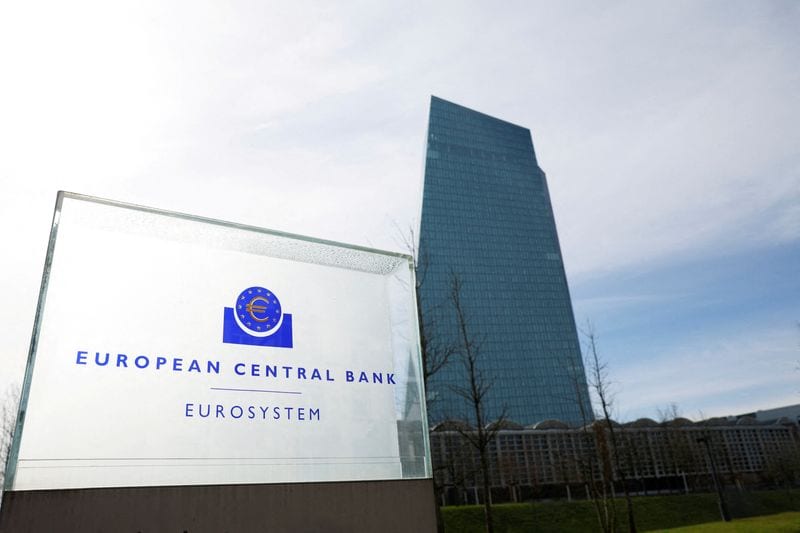
European Central Bank
hosted annual conference discussing AI's economic impact
Alexander Demarco
Maltese central bank chief advising caution on rate hikes
Andrew Bailey
Bank of England Governor indicating no imminent rate cuts
S&P Global
provider of UK Manufacturing PMI data
International Monetary Fund
stated New Zealand's economic recovery is delayed
Reserve Bank of New Zealand
sets inflation target band for New Zealand
1 / 2