Key facts
- U.S. consumer prices rose 0.1% in July, meeting economists' forecasts.
- The annual CPI increased 3.4% in July, matching expectations.
- Core CPI, excluding food and energy, rose 0.2% monthly and 2.5% annually.
- U.S. stock futures pared earlier gains after the inflation data was released.
- Traders are pricing approximately a 55% chance of the Federal Reserve holding interest rates steady in September.
U.S. consumer prices rose slightly in July, a development that may diminish the argument for the Federal Reserve to increase interest rates next month. The Consumer Price Index (CPI) increased by 0.1% in July, following a 0.4% drop in June. Annually, the CPI advanced 3.4% through July, a slight decrease from the 3.5% rise in June.
Excluding volatile food and energy components, the core CPI gained 0.2% last month, matching economists' expectations. The annual increase in core inflation was 2.5%, down from 2.6% in June. These figures suggest a continued, albeit slow, disinflationary trend.
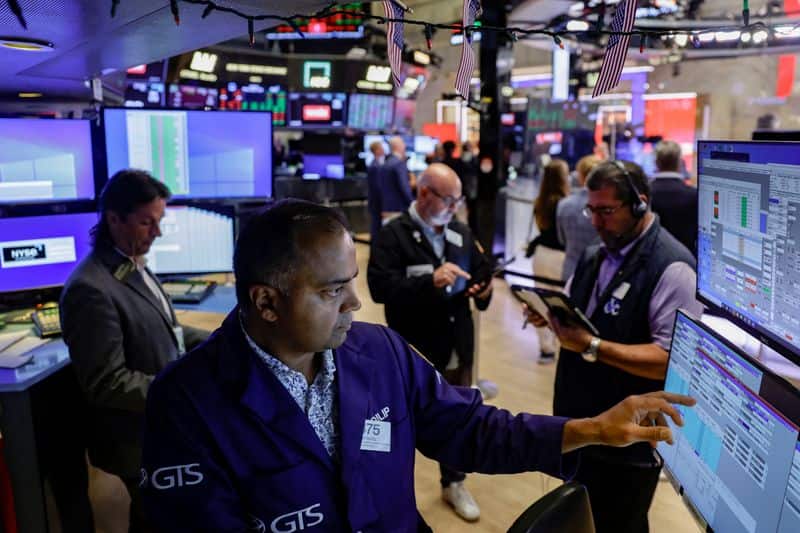
In response to the data, U.S. stock index futures trimmed their earlier gains. Dow E-minis were up 0.3%, S&P 500 E-minis rose 0.5%, and Nasdaq 100 E-minis increased by 1%. Treasury yields also saw a slight decline, with the two-year yield falling 4.2 basis points to 4.176% and the benchmark 10-year yield sliding 3.2 basis points to 4.652%. The U.S. dollar index edged down 0.1% to 99.66.
Market participants largely maintained their expectations for the Federal Reserve to hold interest rates steady at its September meeting. Futures pricing the Fed's policy rate indicate approximately a 55% chance of a hold, a figure little changed from before the report's release. Analysts noted that the in-line inflation data, combined with recent weaker jobs reports, reduces pressure on the Fed to raise rates further.