All NewsEducationTV
Equities & FundsCrypto & Digital AssetsAI & TechnologyBusiness & CorporateUS Politics & PolicyGeopolitics & Global RiskMacro, Rates & FXCommodities & EnergyEuropean Politics & MarketsAsia-PacificReal Estate & Property
Story archiveAll categories
← All Stories

US Inflation Eased Slightly to 3.4% in July Amidst Ongoing Conflict

Created at 14 Aug · 5:06 PM1 source↑ Market-relevant
IN SHORT

US consumer prices rose 3.4% in July, a slight decrease from the previous month, but remain elevated due to ongoing conflict and its impact on energy prices. Core inflation also saw a modest increase, while job losses in July added to economic concerns.

✉Newsletter

PiQ Daily

Pick your topics. Get only what matters, on your cadence.

Key Numbers

3.4%July annual inflation rate
2.5%July core inflation rate year-over-year
0.2%July core inflation rate month-over-month
3%Annual price increase for food, services, shelter, transportation, medical care
15%Year-over-year increase in gasoline prices
$4Average price per gallon of gas in the US
23,000US jobs lost in July
103,000Combined downward revision for May and June job gains
0.2%Real wage decrease in July
2%Federal Reserve's inflation target rate

Who's Involved

Donald Trump
stated Iran must compensate for past deaths to reach a deal
Kevin Warsh
Federal Reserve Chair vowing to deliver price stability
Lorie Logan
Federal Reserve bank president advocating for rate hikes
US Inflation Eased Slightly to 3.4% in July Amidst Ongoing Conflict

↳ Why This Matters

The slight easing of inflation offers some relief, but persistent price pressures and a weakening labor market create a complex challenge for the Federal Reserve as it decides on future interest rate policy. The ongoing conflict's impact on energy prices adds further uncertainty.

Key facts

  • US inflation eased to an annual rate of 3.4% in July.
  • Core inflation, excluding food and energy, rose to 2.5% year-over-year.
  • Energy prices, particularly gasoline, are up nearly 15% from a year ago.
  • The US economy lost 23,000 jobs in July, with prior months' gains revised downward.
  • Wage growth, adjusted for inflation, decreased by 0.2% in July.

US consumer prices cooled slightly in July, with the annual inflation rate dipping to 3.4%, though prices remain elevated compared to pre-war levels. The ongoing conflict, particularly its impact on energy prices, continues to be a significant factor. Brent crude prices saw an increase in July after a temporary dip following a peace agreement that subsequently collapsed.

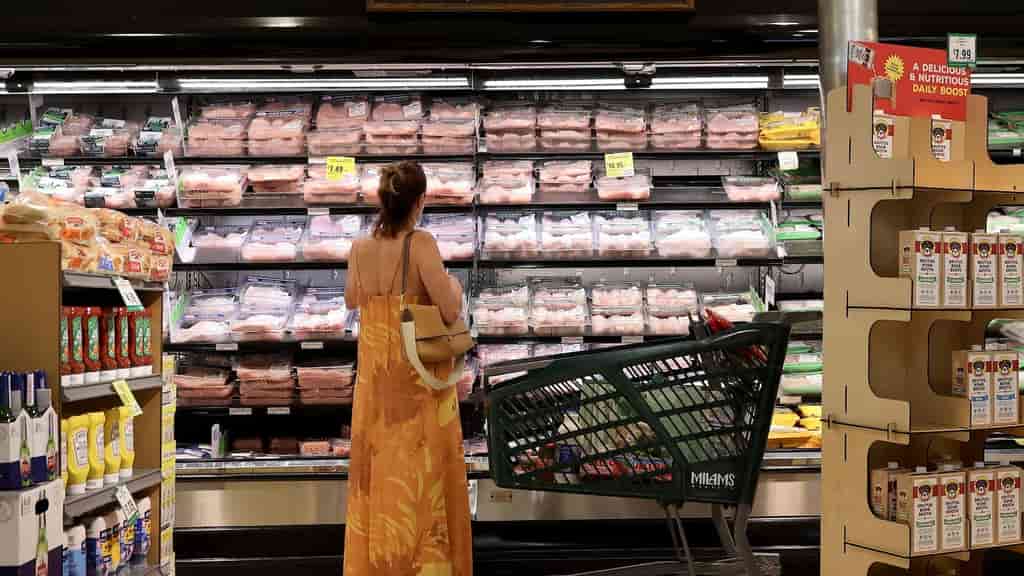
Core inflation, which excludes volatile energy and food prices, rose to 2.5% year-over-year and increased by a modest 0.2% from the previous month. While grocery prices saw a slight decrease, with lettuce prices falling significantly, other categories like meat and milk climbed over 5% annually. Shelter costs, including rent, rose 3.2% over the year.

The inflation data was released shortly after a disappointing jobs report indicating that US employers unexpectedly lost 23,000 jobs in July. Previous months' job gains were also revised downward, painting a weaker picture of the labor market. Wage gains for hourly employees were outpaced by inflation, resulting in a 0.2% decrease after adjusting for price changes.

This economic backdrop comes as the Federal Reserve deliberates on potential interest rate increases to combat persistent inflation. Despite the recent job losses, some Fed officials, like Lorie Logan, are pushing for rate hikes, citing continued rapid price increases. Fed Chair Kevin Warsh, however, has emphasized a commitment to price stability and expressed caution against making policy decisions based on single monthly reports, suggesting a broader approach beyond isolated rate hikes.

Frequently asked questions

The annual inflation rate in July was 3.4%.

Core inflation increased slightly to 2.5% compared to last year.

Energy prices fell after a spring surge but remain about 15% higher than a year ago due to the ongoing conflict.

US employers unexpectedly lost 23,000 jobs in July, and previous months' gains were revised downward.

Fed Chair Kevin Warsh has vowed to deliver price stability and bring inflation to the target of 2%, though some bank presidents are calling for rate hikes.

What Happens Next

01Another round of inflation and employment data will be released before the Fed's September meeting.
02Investors are assessing the odds of a quarter-point rate hike in the upcoming month.

Get the newsletter.

Pick the topics you actually care about. We'll email when there's news worth your time, on the cadence you choose. Cancel any time from your account.

Cadence
CME Headlines
  • Treasury futures gain as yields react to flat July PPI data.
    13 Aug · 9:18 PM
  • Treasury futures gain as yields react to flat July PPI data.
    13 Aug · 9:18 PM
  • BrokerTec Markets on CME Globex Notice: August 10, 2026
    13 Aug · 2:15 PM

How It Developed

US inflation cooled to 3.4% in July.
Core inflation increased to 2.5% year-over-year.
Energy prices declined from their spring surge but remain higher than pre-war levels.
US employers unexpectedly lost 23,000 jobs in July.
Wage gains were erased by inflation, decreasing by 0.2%.
The Federal Reserve is considering interest rate hikes amidst persistent inflation.
Fed Chair Kevin Warsh has vowed to deliver price stability.
Some Fed bank presidents are advocating for rate hikes.

Sources

T1
Inflation Eased Slightly in July, but Prices Remain Elevated as War Drags OnThe New York Times
T2
US inflation cooled slightly to 3.4% in July but prices still elevatedtheguardian.com
T2
Inflation eases slightly: How price increases break downabcnews.com

Related Stories

Energy Prices Expected to Fall in June Inflation Data
14 Aug · 12:06 PM
Bank of Japan eyes September rate hike, faster tightening pace
14 Aug · 2:59 AM
US Retail Sales Unexpectedly Fell 0.6% in July
14 Aug · 12:40 PM
Argentina monthly inflation rises to 2.1% in July
13 Aug · 7:22 PM
July Jobs Report Weakens, But September Fed Rate Hike Still Possible
14 Aug · 4:06 PM