Key facts
- Consumer sentiment rose to a final reading of 49.5 in the University of Michigan's latest survey.
- This is the highest level in two and a half years and a 13% increase from before the US-Israeli war with Iran.
- The rebound is attributed to easing gas prices following a fragile ceasefire.
- Despite the improvement, high prices continue to strain consumers' finances.
- A separate tracker indicates a return of economic pessimism and concerns about the job market.
- Over half of consumers spontaneously mentioned high prices as a burden on their finances.
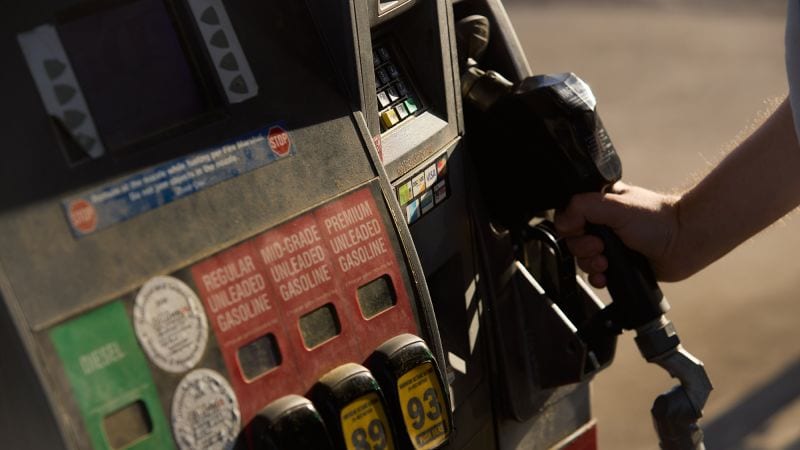
Americans are beginning to feel more optimistic about the economy, with consumer sentiment rising in recent weeks after a significant decline earlier in the year. The University of Michigan's latest survey showed sentiment increasing to a final reading of 49.5, its highest level in two and a half years. This rebound is largely attributed to easing energy costs, as gas prices have fallen following a fragile ceasefire in the Middle East that eased concerns about oil supply disruptions.
However, despite the improved outlook, consumers remain significantly more downbeat compared to before the recent conflict, with sentiment still down 13% from pre-war levels. High prices continue to be a major concern, with over half of consumers spontaneously mentioning that elevated costs are negatively impacting their personal finances. Data from a separate tracker indicates a growing sense of economic pessimism and unease about the job market, with more Americans now rating both as 'bad'. Many feel that their day-to-day realities do not align with positive economic headlines, citing stagnant wages and political dysfunction.
While the summer months and delayed tariffs had previously brought some tempered optimism, the mood has shifted again. The share of Americans rating the economy as bad has climbed back up to 53% in October, and pessimism about the job market has also increased. Consumers are adapting to economic uncertainty by cutting back on spending and reprioritizing their financial behaviors, revealing a public that is hopeful for stability but increasingly doubtful that relief is imminent.