Key facts
- Long-term US government borrowing costs reached a 19-year high.
- The Federal Reserve decided to hold its key interest rate steady.
- The 30-year Treasury yield rose to nearly 5.24%, its highest level since 2007.
- Investor sentiment suggests doubt about the Fed's ability to contain resurgent inflation.
- Concerns about inflation are linked to rising oil prices due to the Iran war and high spending on AI infrastructure.
Long-term government borrowing costs surged to their highest level in nearly two decades following the Federal Reserve's decision to maintain its key interest rate. The 30-year Treasury yield rose by 0.11 percentage points to 5.22% on Wednesday, marking its largest one-day increase in over a year and its highest point since 2007. This move signals that investors are increasingly doubtful about the Federal Reserve's ability to control inflation.
The 10-year Treasury yield also climbed, up 0.07 percentage points to 4.67%, nearing its highest level for the year. These increases in longer-term yields occurred after the Fed announced it would keep short-term rates unchanged, contrary to the expectations of some investors who had anticipated a rate hike, the typical tool used to curb inflation.
Market participants are concerned that the Fed's decision not to raise rates will contribute to persistently higher inflation. This anxiety is amplified by factors such as rising oil prices, influenced by the Iran war, and significant spending on artificial intelligence infrastructure, which is driving up broader economic prices. While inflation concerns had previously focused on the short term, the recent movements in the 30-year yield suggest a growing worry about inflation remaining elevated for an extended period, potentially for decades.
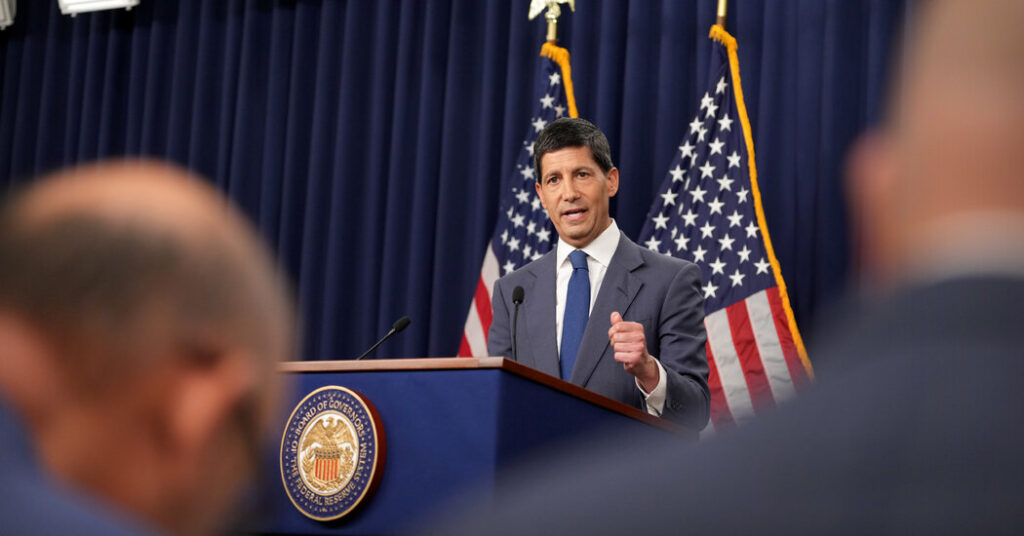
Fed Chair Kevin Warsh affirmed the central bank's dedication to combating inflation, but his avoidance of specific details regarding future actions, particularly after the decision against a rate hike, has unsettled some investors. Analysts also point to broader global trends, including increased government spending and optimistic growth expectations linked to the AI revolution, as contributing factors to the rise in government borrowing costs. The sensitivity of long-term yields to the Fed's credibility was highlighted as a key driver of Wednesday's sharp market movement.