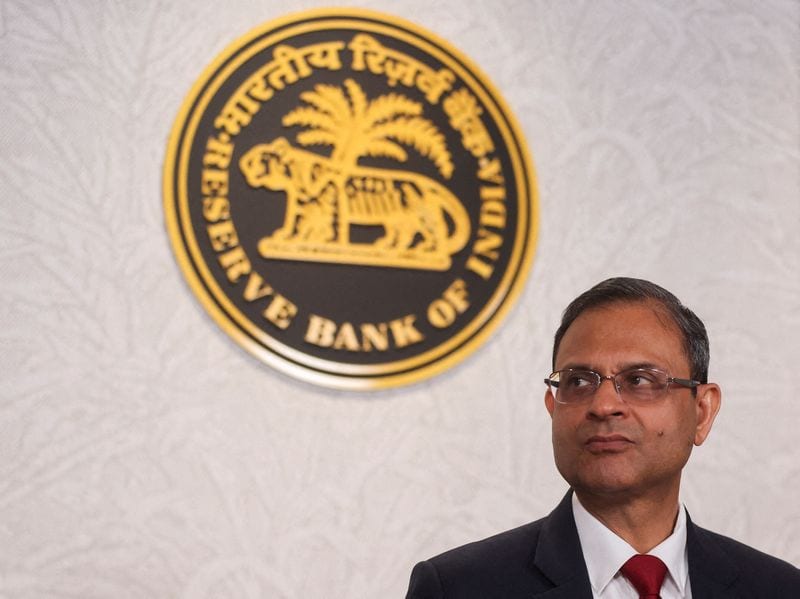
The Reserve Bank of India (RBI) maintained its key policy repo rate at 5.25% on Wednesday, a decision anticipated by the vast majority of economists surveyed by Reuters. This move comes as the central bank assesses the impact of rising oil prices on inflation within Asia's third-largest economy.
While retail inflation in India surpassed the RBI's medium-term target of 4% in June for the first time in 17 months, it is projected to stay within the 2%-6% tolerance band for the current fiscal year. This provides policymakers with room to keep rates steady.
The RBI's decision to hold rates contrasts with some regional central banks, such as those in Indonesia and the Philippines, which have increased borrowing costs to combat inflation driven by higher energy prices and currency pressures linked to the Iran war. Previously, the RBI had implemented measures to attract capital inflows and support the rupee.
However, economic growth is beginning to show signs of strain. The private sector's purchasing managers' index (PMI) declined to a five-year low in July, indicating a modest weakening in economic activity.