Key facts
- Twin earthquakes struck Venezuela on June 24, 2026.
- The earthquakes exceeded magnitude 7 on the Richter scale.
- The seismic doublet occurred 39 seconds apart.
- Nearly 1,000 people have been killed.
- Over 51,000 people remain unaccounted for.
- More than 3,300 people have been injured.
- The La Guaira region was devastated.
- Thousands of Venezuelans are homeless.
- Over 1,600 foreign rescue team members have arrived.
- A new 4.9 magnitude earthquake struck off the coast on Friday.
- Older buildings and substandard construction contributed to vulnerability.
- Government has restricted access to hardest-hit areas.
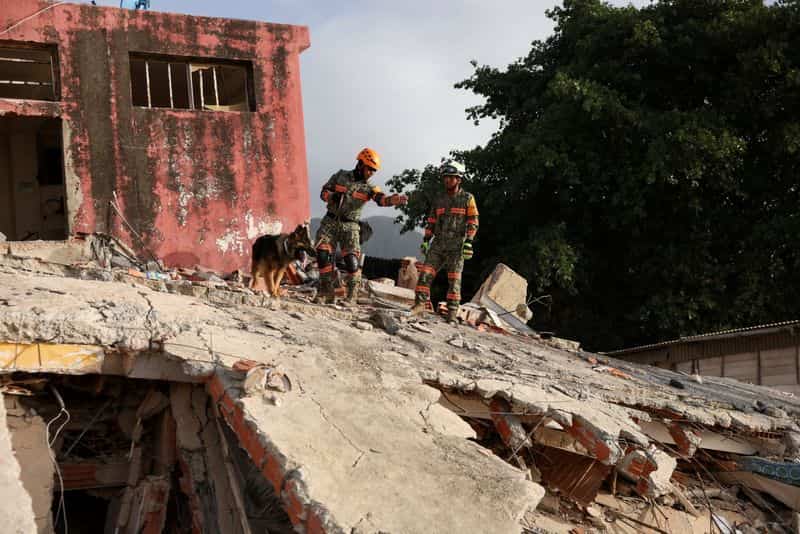
Twin earthquakes struck Venezuela on June 24, 2026, causing widespread destruction and killing nearly 1,000 people, with over 51,000 still unaccounted for. The seismic doublet, occurring 39 seconds apart and exceeding magnitude 7 on the Richter scale, devastated the La Guaira region. Satellite images reveal extensive damage to buildings, and international aid is arriving amidst critical rescue efforts. Over 920 people have been confirmed dead and more than 3,300 injured. Thousands of Venezuelans are now homeless, sleeping in cars, parks, and plazas while awaiting home safety inspections.
International rescue teams are actively involved, with over 1,600 foreign responders arriving to aid in the search for survivors. This includes over 520 responders from the EU and teams from the US. Residents express frustration with the government's response, highlighting community self-help efforts amidst overwhelmed hospitals. A new earthquake with a magnitude of 4.9 struck off the northern coast of Venezuela on Friday afternoon, days after the initial powerful tremors, though no casualties or major damage were reported from this latest tremor.
Experts attribute Venezuela's vulnerability to earthquakes to a combination of factors. These include older buildings lacking modern seismic standards, rapid construction during oil booms without adherence to best practices, and buildings situated on soft soils. Even newer structures collapsed, prompting a review of engineering standards. The government has restricted access to the hardest-hit areas as rescue and recovery efforts continue.