Key facts
- The U.S. military conducted strikes on Iranian military targets near the Strait of Hormuz.
- The strikes followed a drone attack on the tanker M/T Kiku.
- President Donald Trump stated the U.S. struck Iranian missile and drone storage locations and coastal radar sites.
- President Donald Trump warned of Iran's complete destruction if further aggression occurs.
- Iran claimed retaliatory missile and drone attacks against U.S. positions in Bahrain and Kuwait.
- Oman is considering imposing transit fees on vessels transiting the Strait of Hormuz.
- Oman is studying transit fee models from the Strait of Malacca.
- Iranian Foreign Minister Abbas Aragchi stated Iran has total control of the Strait of Hormuz for 30 days.
- Iran called on the U.S. to pressure Israel to cease attacks on Lebanon.
- U.S. Vice President JD Vance stated the U.S. holds all the cards in negotiations with Iran.
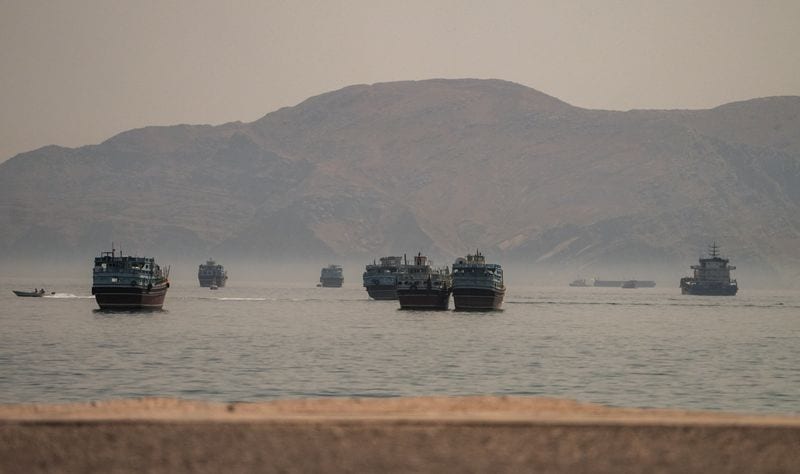
The United States military has executed strikes on Iranian military targets situated near the Strait of Hormuz, marking a significant escalation of hostilities. These actions followed a drone attack on the tanker M/T Kiku. President Donald Trump announced that the U.S. struck Iranian missile and drone storage locations and coastal radar sites, citing violations of a ceasefire agreement. Trump issued a stern warning, stating that further aggression from Iran could result in the complete destruction of the country. In response to the U.S. strikes, Iran claimed to have launched retaliatory missile and drone attacks against U.S. positions in Bahrain and Kuwait.
Amidst these escalating tensions, Oman is reportedly considering the imposition of transit fees on vessels navigating the Strait of Hormuz. This potential move has caused alarm among the United States and its allies. The proposed charges are reportedly linked to services such as pollution cleanup or navigation assistance. Oman is said to be studying transit fee models from other critical maritime chokepoints, including the Strait of Malacca.
Iranian Foreign Minister Abbas Aragchi asserted that Iran maintains total control over the Strait of Hormuz for a period of 30 days. He also called upon the United States to exert pressure on Israel to cease its attacks on Lebanon and to withdraw from occupied territories. Separately, U.S. Vice President JD Vance expressed a strong stance on negotiations with Iran, stating that the U.S. holds all the leverage and is positioned to win regardless of the outcome. Vance attributed this advantage to the destruction of Iran's nuclear program and its diminished international standing.