Key facts
- A military intelligence chief was assassinated in Libya.
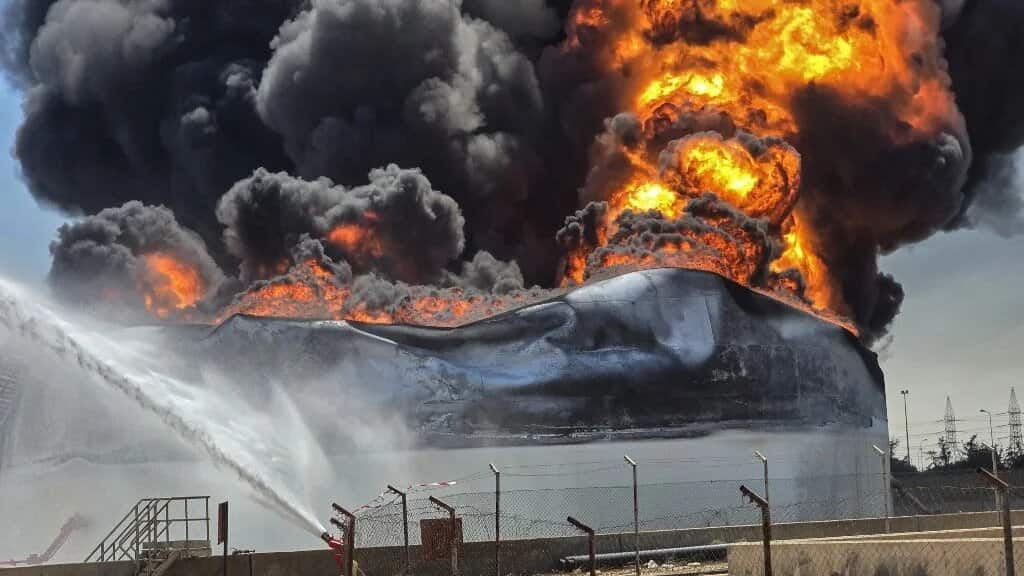
- Libya's largest oil refinery was attacked by drones.
- The central bank governor of Libya resigned.
- A drone strike hit the South Zawiya substation.
- The drone strike on the South Zawiya substation caused a complete power outage.
- The drone strike caused severe damage to the substation, hindering repairs.
- The attacks are occurring amid rising tensions in Libya.
Libya is grappling with a significant escalation of instability, evidenced by the assassination of a military intelligence chief, drone attacks targeting its primary oil refinery, and the resignation of the central bank governor. These incidents collectively highlight the fragility of the country's security and political environment.
A recent drone strike specifically impacted the South Zawiya substation, resulting in a complete power outage and severe damage that is hindering repair operations. This attack on critical infrastructure follows earlier strikes on the nearby oil refinery, occurring amidst a backdrop of rising tensions within the nation. The cumulative effect of these assaults on key facilities and the political leadership points to a deepening crisis.
The confluence of targeted violence against military officials, attacks on energy infrastructure, and turmoil within financial institutions suggests a coordinated effort to destabilize the country. The assassination of the military intelligence chief, coupled with the refinery and substation attacks, creates a climate of fear and uncertainty. The resignation of the central bank governor further exacerbates the economic and administrative challenges facing Libya.
While the sources do not explicitly state who is responsible for these attacks, their nature and timing indicate a deliberate attempt to disrupt Libya's stability. The ongoing tensions and the targeting of vital economic and security assets suggest that the situation may continue to deteriorate if not addressed effectively.