Key facts
- Fawzi al-Mansouri, eastern military intelligence chief, was assassinated in Benghazi by a car bomb.
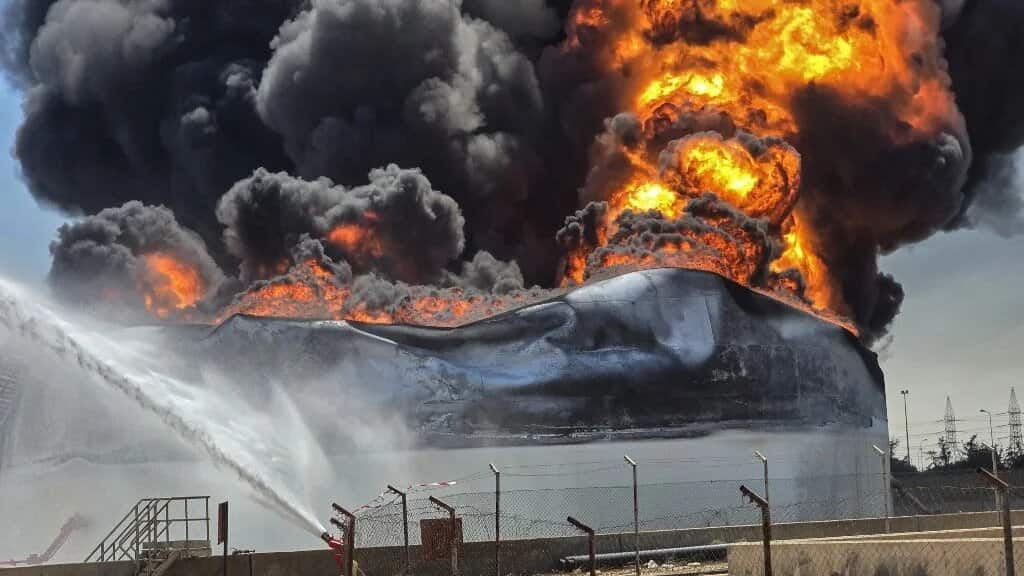
- Drone attacks targeted the Zawiya oil refinery, Libya's largest operational facility, causing a fire and tank collapse.
- Central Bank of Libya Governor Naji Issa resigned, citing sensitive reasons.
- The attacks and assassination highlight the fragility of Libya's political and security situation.
- Libya's National Oil Corporation warned of possible operational suspensions at the Zawiya refinery.
Libya was plunged into fresh turmoil this week after a car bomb killed eastern military intelligence chief Fawzi al-Mansouri in Benghazi, drone attacks struck the country’s largest operational oil refinery, and the central bank governor resigned.
Mansouri was leaving a mosque on Monday night when an explosive device attached to his vehicle detonated. Khaled Haftar, son of LNA commander Khalifa Haftar, stated that an investigation had been opened, with indicators pointing to a terrorist tactic. Hamish Kinnear, an analyst at Verisk Maplecroft, noted that the killing is a reminder of the fragile security in eastern Libya.
The assassination occurred as emergency crews battled a major fire at the Zawiya oil refinery, west of Tripoli, following a drone attack on Monday evening. This was the third strike on the facility in two days. Libya’s National Oil Corporation reported that a drone struck a tank holding approximately 4.5 million litres of fuel, causing it to collapse. The corporation warned that further attacks could lead to operational suspensions. Zawiya refinery has a capacity of 120,000 barrels of oil per day.
Kinnear suggested that the drone strikes, for which no group claimed responsibility, likely aim to pressure the Government of National Unity headed by Prime Minister Abdul Hamid al-Dbeibah, amid armed confrontations between rival militias in Zawiya.
The turmoil intensified after a letter attributed to Central Bank of Libya Governor Naji Issa circulated, indicating his resignation due to unspecified sensitive reasons.
Libya remains divided between the internationally recognized government in Tripoli and an eastern administration backed by Haftar. The country produces over 1.3 million barrels of oil per day but suffers from prolonged electricity cuts, which have triggered protests demanding reliable power and calling for Dbeibah's resignation. Kinnear stated that Libya's energy infrastructure is often targeted to exert pressure on political leaders.