Key facts
- Wildfires and heatwaves present a growing medium- and long-term fiscal risk for Greece and the Mediterranean.
- Greece is investing in water and energy infrastructure in tourism hotspots to address climate risks.
- The government is exploring measures to improve insurance coverage against climate-related losses.
- Hotter summers are extending the tourism season, positively impacting tourism revenues.
- Investment will be funded by increased tax revenues from efforts to curb the informal economy.
- Incentives are being considered to encourage higher insurance coverage among businesses and households.
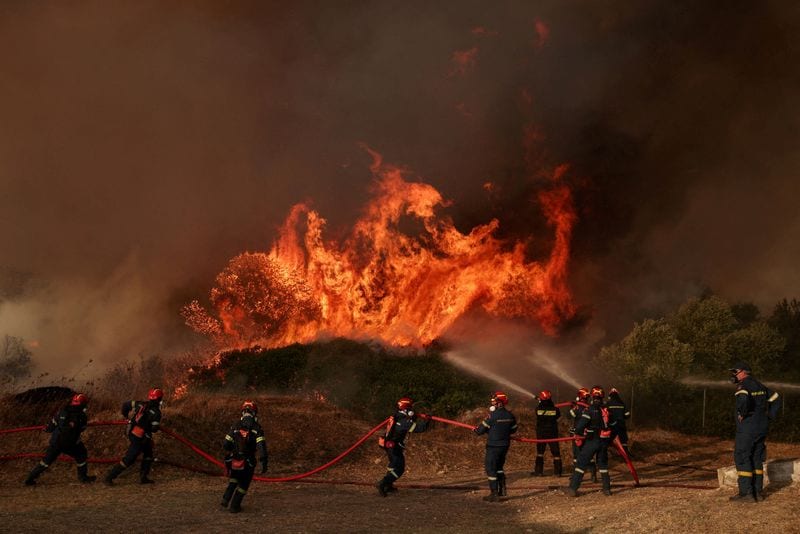
Wildfires and heatwaves are posing an increasing fiscal risk to Greece and the broader Mediterranean region, according to Michael Arghyrou, a senior economic adviser to Prime Minister Kyriakos Mitsotakis. Arghyrou stated that these events are becoming more frequent and severe, representing a medium- to long-term fiscal challenge.
To counter these risks, the Greek government is implementing an investment strategy focused on strengthening water and energy infrastructure in key tourism areas, including Mykonos, Santorini, Epirus, the North Aegean islands, Thessaloniki, Crete, Rhodes, and the Peloponnese. The strategy also aims to attract private capital for these developments.
Arghyrou noted that hotter summers are extending the tourism season from April to October and November, which is supporting tourism revenues. While he did not disclose the specific amount of public funding allocated, he indicated that additional investments would be largely financed through increased tax revenues resulting from a crackdown on Greece's informal economy.