All NewsEducationTV
Equities & FundsCrypto & Digital AssetsAI & TechnologyBusiness & CorporateUS Politics & PolicyGeopolitics & Global RiskMacro, Rates & FXCommodities & EnergyEuropean Politics & MarketsAsia-PacificReal Estate & Property
Story archiveAll categories
← All Stories

Iran's Dealmakers Clash With Ultraconservatives Amidst Political Rift

Created at 11 Aug · 2:46 PM1 source↑ Market-relevant
IN SHORT

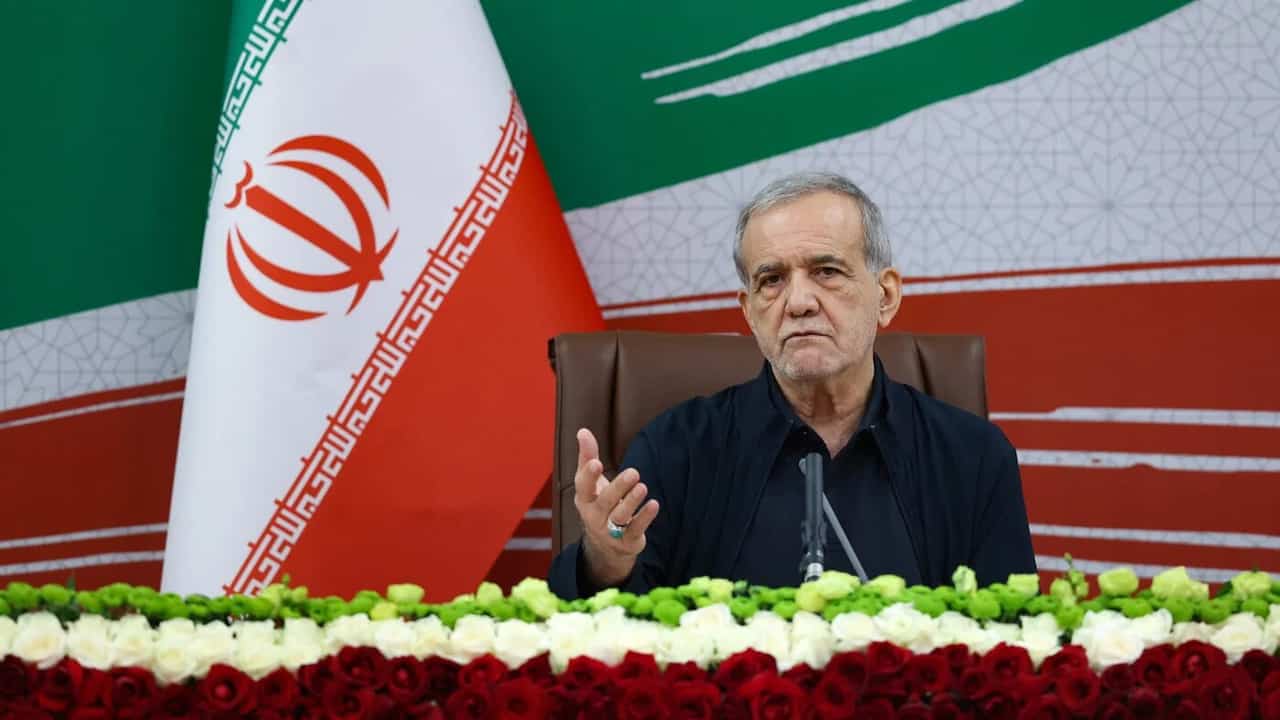
Iran's political factions are increasingly divided over potential negotiations with the United States. Deal advocates, including President Pezeshkian and Speaker Ghalibaf, face pressure from ultraconservatives who fear political marginalization and seek to obstruct any agreement.

✉Newsletter

PiQ Daily

Pick your topics. Get only what matters, on your cadence.

Key Numbers

six monthsduration of hostilities
27 or 28 timesnumber of resignation threats by Pezeshkian

Who's Involved

Masoud Pezeshkian
Reformist President of Iran seeking agreement with the U.S.
Mohammad Baqer Ghalibaf
Conservative Parliament Speaker of Iran seeking agreement with the U.S.
Principlists
Iranian political faction pressuring dealmakers and opposing agreement with the U.S.
Mohammad-Bagher Kharrazi
Brother-in-law of Mojtaba Khamenei, featured in a leaked video making claims about leadership.
Mojtaba Khamenei
Supreme Leader of Iran, subject of conflicting claims regarding negotiations.
Abbas Araghchi
Foreign Minister of Iran, reportedly sidelined from U.S. negotiations.
Ali Saeedi
Conservative figure claiming Supreme Leader supports negotiations.
Ebrahim Raisi
Late president, reportedly a preferred candidate for leadership by some principlists.
Mohammad Mahdi Mirbaqeri
Hard-line cleric, reportedly a preferred candidate for leadership by some principlists.
Mahdi Khamoushi
Member of Khamenei's inner circle, reportedly targeted by principlists.
Iran's Dealmakers Clash With Ultraconservatives Amidst Political Rift

↳ Why This Matters

The internal power struggle within Iran's political establishment directly impacts its foreign policy, particularly regarding potential negotiations with the United States and the ongoing regional hostilities. The outcome of this rift could determine the future direction of Iran's international relations and its domestic political landscape.

Key facts

  • Iran's political landscape shows a growing rift between factions seeking a deal with the U.S. and those opposing it.
  • President Masoud Pezeshkian and Parliament Speaker Mohammad Baqer Ghalibaf are reportedly seeking an agreement with Washington.
  • Principlists are intensifying pressure on Pezeshkian and Ghalibaf, fearing political marginalization.
  • Leaked videos and audio files have emerged, with conflicting claims about the Supreme Leader's stance on negotiations and leadership.
  • Ultraconservatives are reportedly using protests to obstruct negotiations and increase the political cost for dealmakers.

Iran's political scene is marked by a growing division between factions advocating for a deal with the United States and those determined to prevent one. President Masoud Pezeshkian and Parliament Speaker Mohammad Baqer Ghalibaf, both seeking to end nearly six months of hostilities, are facing intensified pressure from principlists. These hardline conservatives fear that any agreement could diminish their political influence and impact Iran's future direction.

The internal struggle has been amplified by leaked media. A video featuring Mohammad-Bagher Kharrazi, brother-in-law of Supreme Leader Mojtaba Khamenei's brother, claimed that the Supreme Leader would accept President Pezeshkian's resignation if he threatened it again and that Foreign Minister Abbas Araghchi had been sidelined from negotiations. The office of the supreme leader denied these remarks without directly naming Kharrazi.

Subsequently, an audio file emerged with Ali Saeedi, a conservative figure close to the Khamenei office, stating that the Supreme Leader supports negotiations and criticizes hard-line opposition. Saeedi also claimed Khamenei supports Ghalibaf, comparing him to the late Quds Force commander Haj Qassem Soleimani.

Sources suggest that principlists did not initially favor Mojtaba Khamenei for leadership, preferring candidates like the late Ebrahim Raisi or Mohammad Mahdi Mirbaqeri. Principlists have also reportedly targeted members of Khamenei's inner circle, accusing them of corruption to undermine their credibility. Despite these internal dynamics, Khamenei reportedly continues to trust Ghalibaf, with his continued role in U.S. negotiations indicating the Supreme Leader's confidence.

Analysts believe principlists aim to isolate Pezeshkian and Ghalibaf politically, hoping to turn the Supreme Leader against them. Ultraconservatives are expected to continue obstructing negotiations, viewing any U.S. agreement as a threat to their influence by empowering moderate forces. Lacking sufficient power within key institutions, they are reportedly mobilizing their grassroots base through protests to increase the political cost for the dealmakers.

Frequently asked questions

The main factions are those advocating for a deal with the United States, represented by President Pezeshkian and Speaker Ghalibaf, and the ultraconservatives or principlists who oppose such an agreement.

The Supreme Leader, Mojtaba Khamenei, is central to the conflict, with conflicting reports emerging about his support for negotiations and his stance on key political figures.

They fear that any agreement could marginalize them politically, weaken their influence, and empower more moderate political forces within Iran.

Methods include leaked videos and audio files, public pressure campaigns, and grassroots protests targeting negotiators.

What Happens Next

01Further actions by principlists to undermine dealmakers are expected.
02The Supreme Leader's continued stance on negotiations will be closely watched.

Get the newsletter.

Pick the topics you actually care about. We'll email when there's news worth your time, on the cadence you choose. Cancel any time from your account.

Cadence

How It Developed

Two competing camps have emerged in Iran: those advocating for a deal with the U.S. and those opposing it.
Principlists are increasing pressure on President Pezeshkian and Speaker Ghalibaf, who seek an agreement with Washington.
A leaked video featuring Mohammad-Bagher Kharrazi claimed Supreme Leader Mojtaba Khamenei would accept President Pezeshkian's resignation and that Foreign Minister Araghchi was sidelined.
The supreme leader's office denied remarks about the president's resignation.
An audio file surfaced with Ali Saeedi claiming Khamenei supports negotiations and criticizes hard-line opposition.
Saeedi also claimed Khamenei supports Ghalibaf.
A reformist source stated principlists initially favored other candidates for leadership over Khamenei's son.
The source noted principlists have targeted Khamenei's inner circle, accusing them of corruption.

Sources

T1
Inside the growing rift between Iran’s dealmakers and ultraconservativesMiddle East Eye

Related Stories

Pakistan says US-Iran arrangement close as minister visits Tehran
11 Aug · 1:11 PM
Brent Crude Tops $90 as Trump Demands Iran Compensation
10 Aug · 7:31 PM
Qatar accuses Israel of 'foot-dragging' on Gaza ceasefire deal
11 Aug · 4:11 PM
US fires on ship breaking Iran blockade
11 Aug · 12:41 PM
Brics’ ‘stiffest test’: can India, China rally bloc to resolve Strait of Hormuz crisis?
11 Aug · 5:36 AM