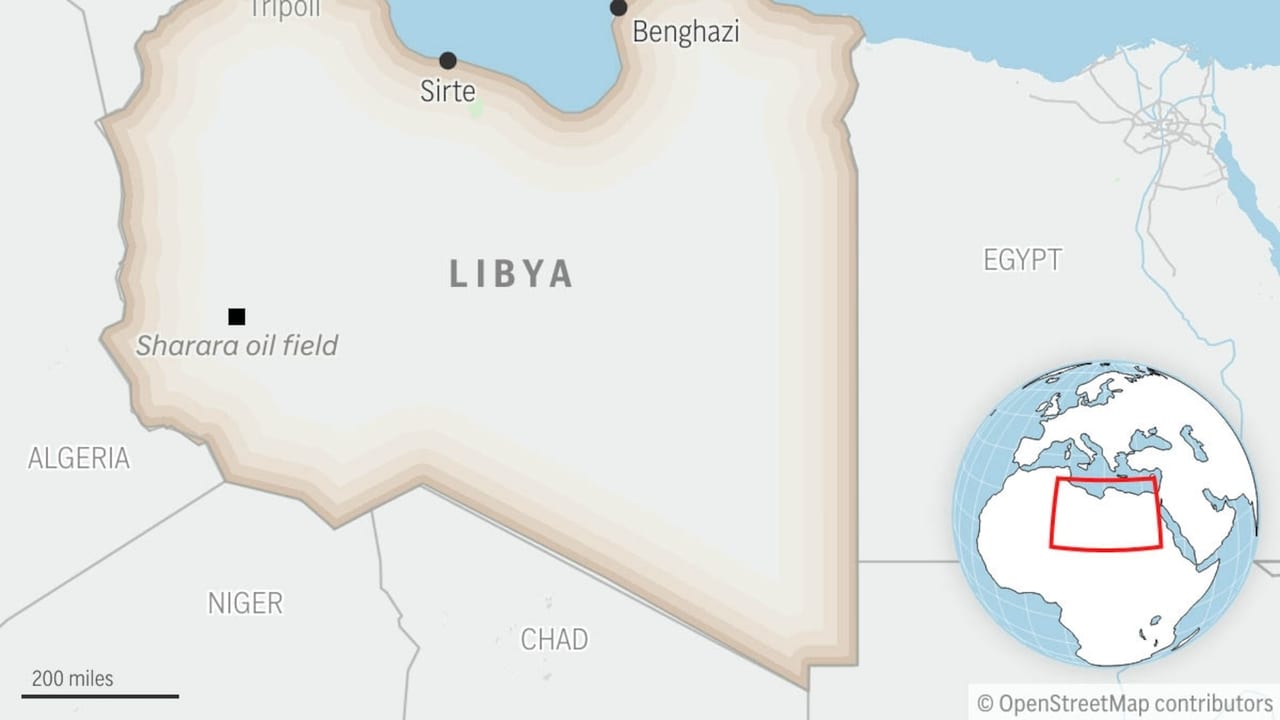
Libya's General Electricity Company reported a drone attack on the South Zawiya substation caused a widespread power outage. Repeated attacks have severely damaged the power station, forcing technical teams to withdraw and potentially delaying service restoration.

The attacks on Libya's energy infrastructure threaten to disrupt oil production and exacerbate the country's ongoing instability, potentially impacting global energy markets.
Libya's General Electricity Company reported that an attack on the South Zawiya substation on Wednesday caused a complete power outage and loss of electricity supply to wide areas south of the city of Zawiya. The company stated that repeated attacks have severely damaged the Zawiya power station, forcing the withdrawal of technical teams and potentially delaying the restoration of services.
The substation attack followed earlier drone strikes on fuel storage tanks at the nearby Zawiya oil complex, which hosts Libya's largest operating refinery. One drone strike ignited a large blaze at a gasoline tank, while another narrowly missed a separate oil tank. Previously, two drones had hit the town's power plant, damaging its firefighting system.
Renewed violence targeting energy assets in Zawiya has disrupted the oil industry in the OPEC member country. The National Oil Company has indicated it may declare force majeure if drone attacks on energy facilities in the city continue.
In a separate incident, Maj. Gen. Fawzy al-Mansouri, director of military intelligence for commander Khalifa Hifter's forces, was killed in a car bomb attack in Benghazi on Monday evening. No group has claimed responsibility for the drone strikes on oil facilities in Zawiya or the car bomb in Benghazi.
Analysts suggest the drone strikes on Zawiya, a city controlled by warlord Mohamed Bahroun, could be a result of rising tensions with the government in western Libya. The country has been divided between rival administrations for years, contributing to ongoing instability.