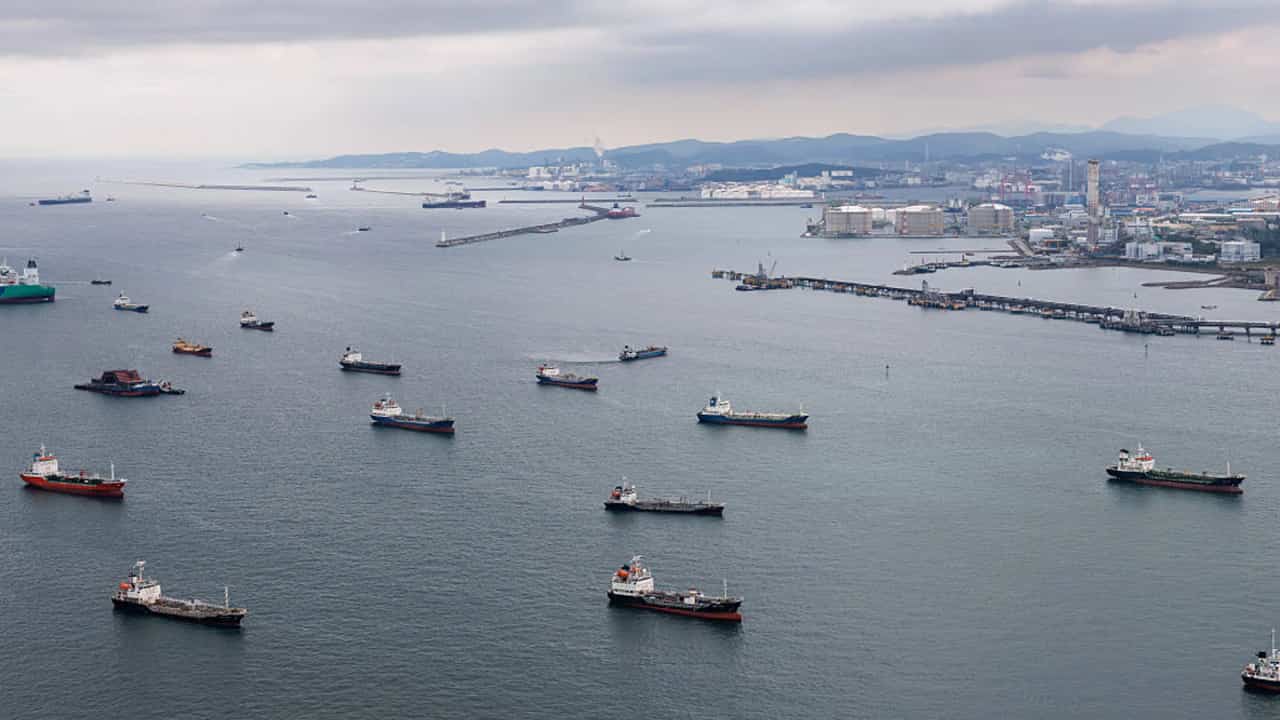
Iran's Revolutionary Guard Corps has intensified patrols in the Strait of Hormuz, diverting ships and imposing new transit fees, with preferential terms for allies. This action occurs during the mourning period for Supreme Leader Ali Khamenei. Meanwhile, Qatar has resumed all maritime activities after a brief suspension, and maritime trade between Iran and Qatar has restarted after a five-month pause, with shipping between Dayyer and Al Ruwais ports resuming.

Iran's Revolutionary Guard Corps has intensified patrols in the Strait of Hormuz, diverting ships and potentially impacting global trade routes. This action coincides with the mourning period for Supreme Leader Ali Khamenei, with some suggesting his legacy is tied to control of the vital waterway. Iran has also announced new service fees for ships transiting the Strait of Hormuz, offering preferential terms to allied nations. This move comes amid heightened tensions and concerns over security in the vital waterway.
In parallel developments, Qatar announced the immediate resumption of all maritime activities, reversing a suspension order issued on June 29. The Transport Ministry urged operators to adhere to safety regulations, following a previous incident involving a national's death due to regional military operations. Furthermore, maritime trade between Iran and Qatar has restarted after a five-month pause. Shipping between Iran's Dayyer port and Qatar's Al Ruwais port has resumed following coordination between the Iranian embassy in Doha and Qatari authorities.
The intensified patrols and new fees in the Strait of Hormuz, a critical chokepoint for global oil shipments, raise concerns about potential disruptions to international trade. The timing, during the mourning period for Ali Khamenei, may also signal a strategic assertion of control over this vital waterway, potentially linked to his legacy. The resumption of maritime activities by Qatar and the restart of trade between Iran and Qatar suggest a de-escalation or normalization of regional maritime traffic following a period of disruption and a specific incident leading to a national's death.
Maritime trade between Iran's Dayyer port and Qatar's Al Ruwais port is expected to continue following the recent resumption. Qatar's Transport Ministry has urged operators to adhere to safety regulations as maritime activities resume.
Iran's Revolutionary Guard Corps has intensified patrols in the Strait of Hormuz, diverting ships and potentially impacting global trade routes. This action coincides with the mourning period for Supreme Leader Ali Khamenei, with some suggesting his legacy is tied to control of the vital waterway. Iran has also announced new service fees for ships transiting the Strait of Hormuz, offering preferential terms to allied nations. This move comes amid heightened tensions and concerns over security in the vital waterway.