Key facts
- Six ships diverted from their routes in the Strait of Hormuz due to patrols by Iran's Revolutionary Guard Corps.
- The IRGC navy warned ships to use a designated "safe route" through Iranian waters.
- Iran struck a vessel, the Ever Lovely, with a drone in the Strait of Hormuz.
- The strike occurred despite a recent preliminary agreement between the U.S. and Iran to reopen the Strait toll-free for 60 days.
- Oil prices saw a brief increase following the incident before declining.
- U.S. Secretary of State Marco Rubio engaged in discussions with Gulf Arab officials regarding regional security.
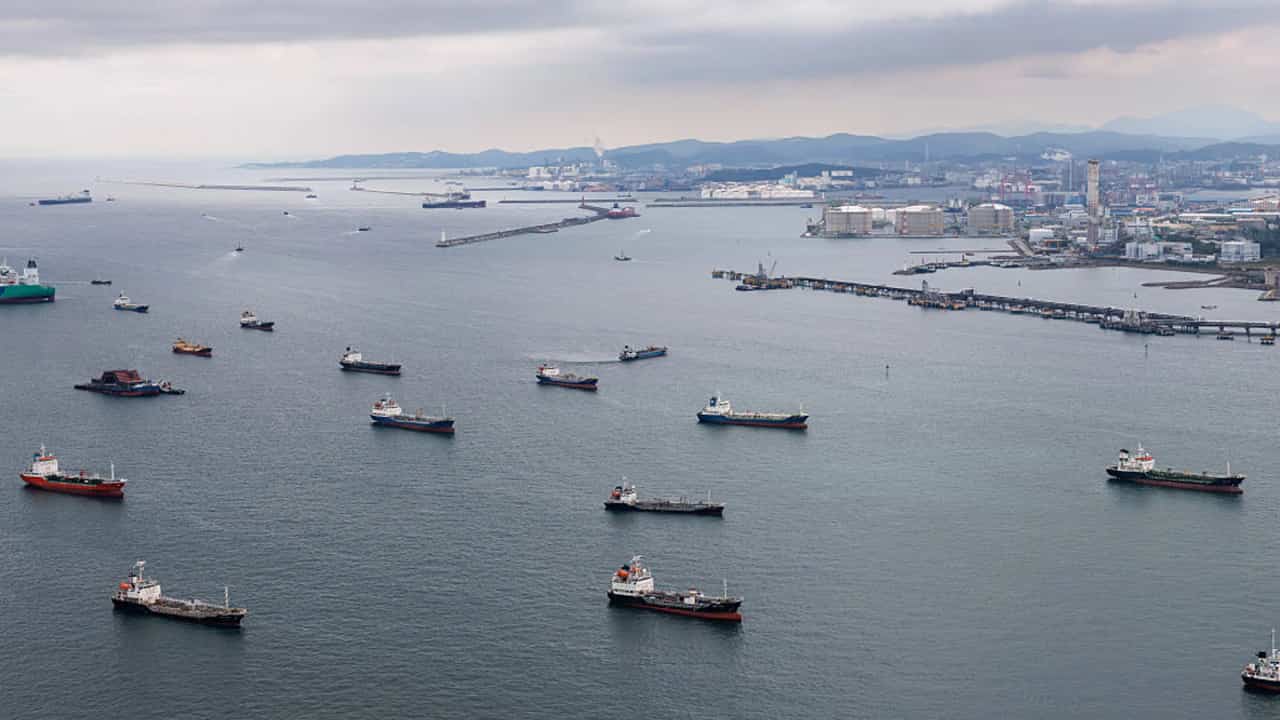
Iran's Revolutionary Guard Corps conducted patrols in the Strait of Hormuz, leading six ships to alter their course. Maritime intelligence firm Windward reported that two of these vessels proceeded towards Iran, while the remaining four returned to the Gulf. The IRGC navy has been issuing radio warnings, advising ships to adhere to Iran's designated "safe route."
This development follows an incident on Thursday where Iran struck a vessel, identified as the Ever Lovely, with a drone in the Strait of Hormuz. This attack occurred despite a recent preliminary agreement between the U.S. and Iran to reopen the Strait toll-free for 60 days. The strike has compromised efforts to restore shipping and potentially threatens ongoing peace talks between the two nations.
The Iranian navy stated that the route used by the Ever Lovely, which followed the International Maritime Organization's guidelines along the Omani coast, was "unacceptable and extremely dangerous." The Persian Gulf Seaways Management Organization, a Tehran-created agency, announced that vessels must submit transit requests to pass through the Strait.
Oil prices experienced a brief surge following the strike before declining. U.S. Secretary of State Marco Rubio met with Gulf Arab officials in Bahrain to address regional concerns amid rising tensions. The incident has renewed concerns about Iran potentially institutionalizing control over the Strait, possibly through tolls or fees, and raises questions about a potential U.S. response that could derail negotiations.