Key facts
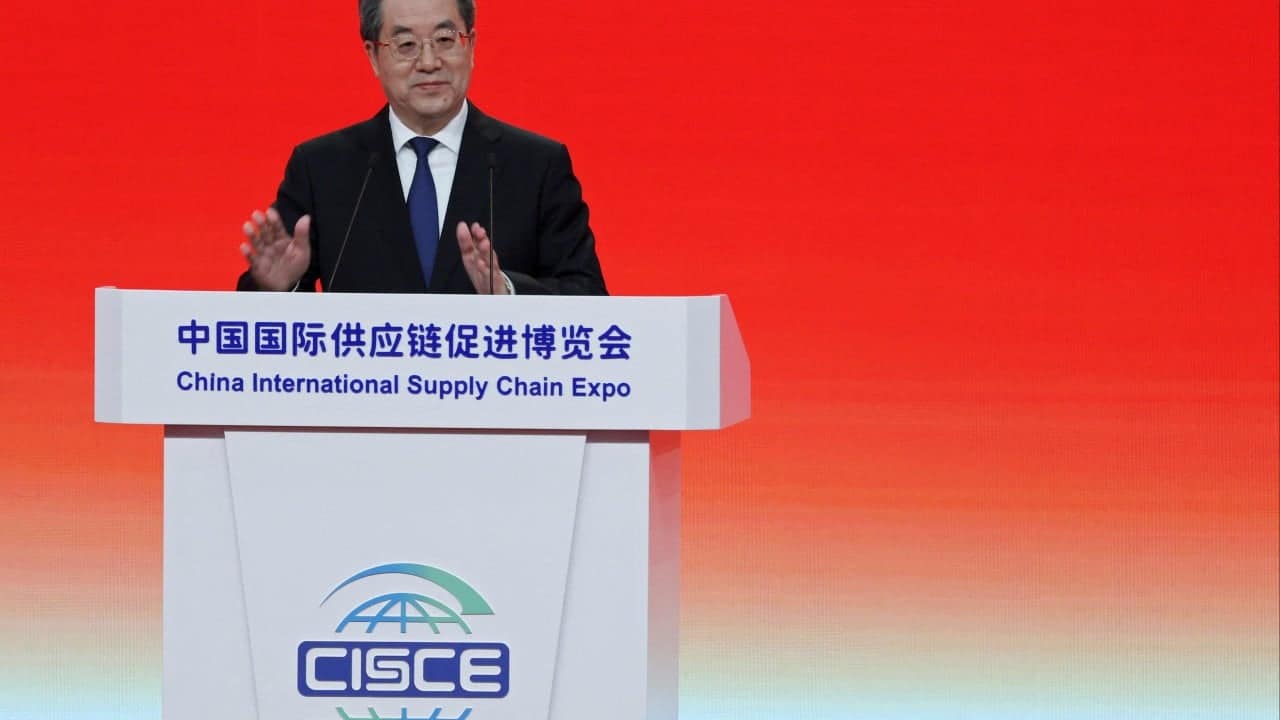
- China's Vice-Premier Ding Xuexiang defended the country's role in global supply chains.
- Ding highlighted China's contribution to stabilizing energy and fertilizer markets.
- The U.S.-Iran conflict has exposed global trade vulnerabilities at maritime chokepoints.
- Chubb CEO Evan Greenberg anticipates a gradual increase in Strait of Hormuz vessel traffic.
- Greenberg attributes the expected traffic increase to U.S. efforts to open channels.
- Security risks in the Strait of Hormuz remain elevated.
- Precious Shipping had a vessel previously struck by Iranian projectiles.
- China refuted Western claims of overcapacity and protectionism.
China's Vice-Premier Ding Xuexiang has asserted the nation's commitment to defending global supply chains, emphasizing its role in stabilizing energy and fertilizer markets amidst the ongoing crisis in the Strait of Hormuz. Ding directly refuted Western accusations of Chinese overcapacity and protectionist trade practices. The broader geopolitical tensions between the U.S. and Iran have underscored a significant vulnerability within the global economy, illustrating how disruptions at critical maritime chokepoints can have severe repercussions for international trade and commerce.