Key facts
- Bolivia's President Rodrigo Paz declared a state of emergency.
- The state of emergency authorizes expanded military deployment.
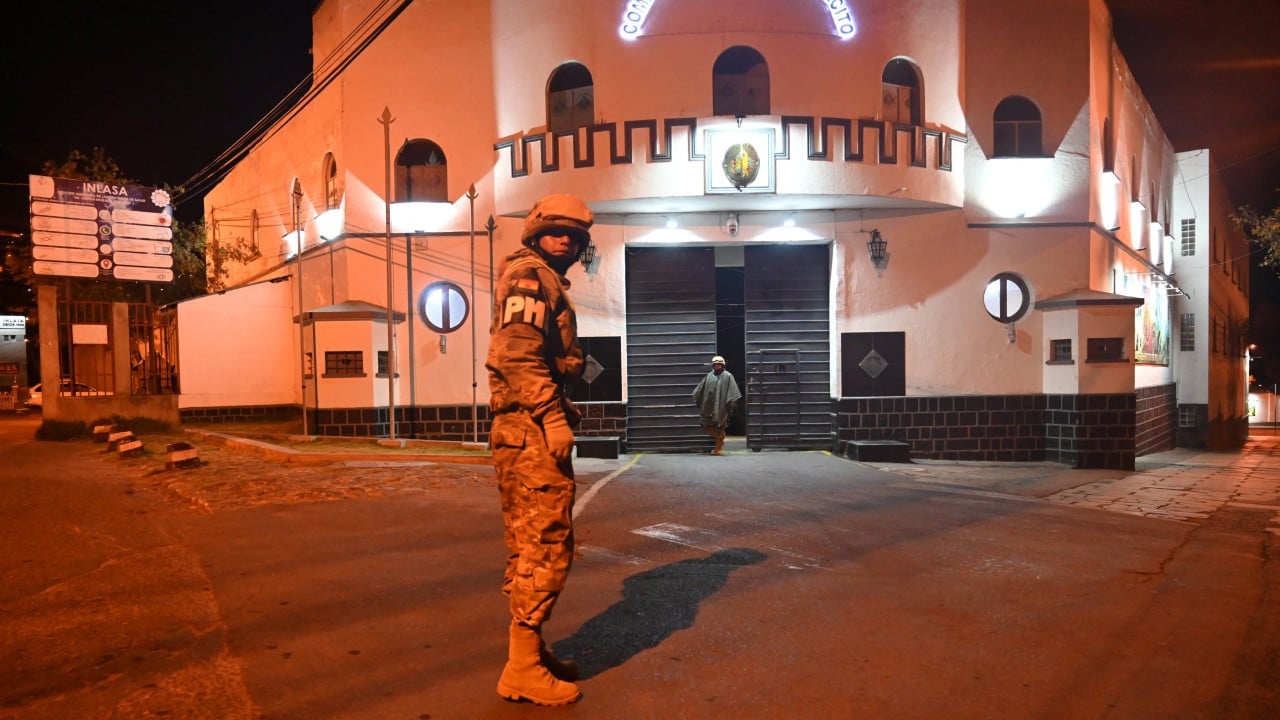
- The military will be deployed to clear blockades.
- Protests and blockades have lasted for 50 days.
- The protests initially stemmed from fuel subsidy cuts.
- The protests have broadened into wider economic discontent.
- The unrest has severely impacted Bolivia's economy.
- A deal was reached with the main union.
- Some rural groups aligned with former President Evo Morales continue demonstrations.
President Rodrigo Paz of Bolivia has declared a state of emergency, granting the government expanded authority to deploy the military to dismantle blockades that have disrupted the country for 50 days. This measure comes as protests, which began over cuts to fuel subsidies, have broadened into widespread discontent concerning economic issues and have significantly harmed the Bolivian economy. The state of emergency allows for increased military presence and action to clear the blockades and restore order.
A deal has reportedly been reached with the primary union involved in the protests, potentially easing some of the demonstrations. However, the situation remains tense as some rural groups, reportedly aligned with former President Evo Morales, continue to maintain their blockades and protests. These ongoing actions by specific factions are contributing to the prolonged crisis.
The unrest highlights deep-seated economic concerns within Bolivia, with the initial trigger of fuel subsidy cuts evolving into a more generalized expression of dissatisfaction with the current economic conditions. The government's declaration of a state of emergency signifies the severity of the disruption and the administration's intent to forcefully resolve the ongoing crisis.