Key facts
- Bolivia's president declared a state of emergency.
- The state of emergency is in response to 50 days of road blockades and unrest.
- The ongoing disruptions have severely impacted Bolivia's economy.
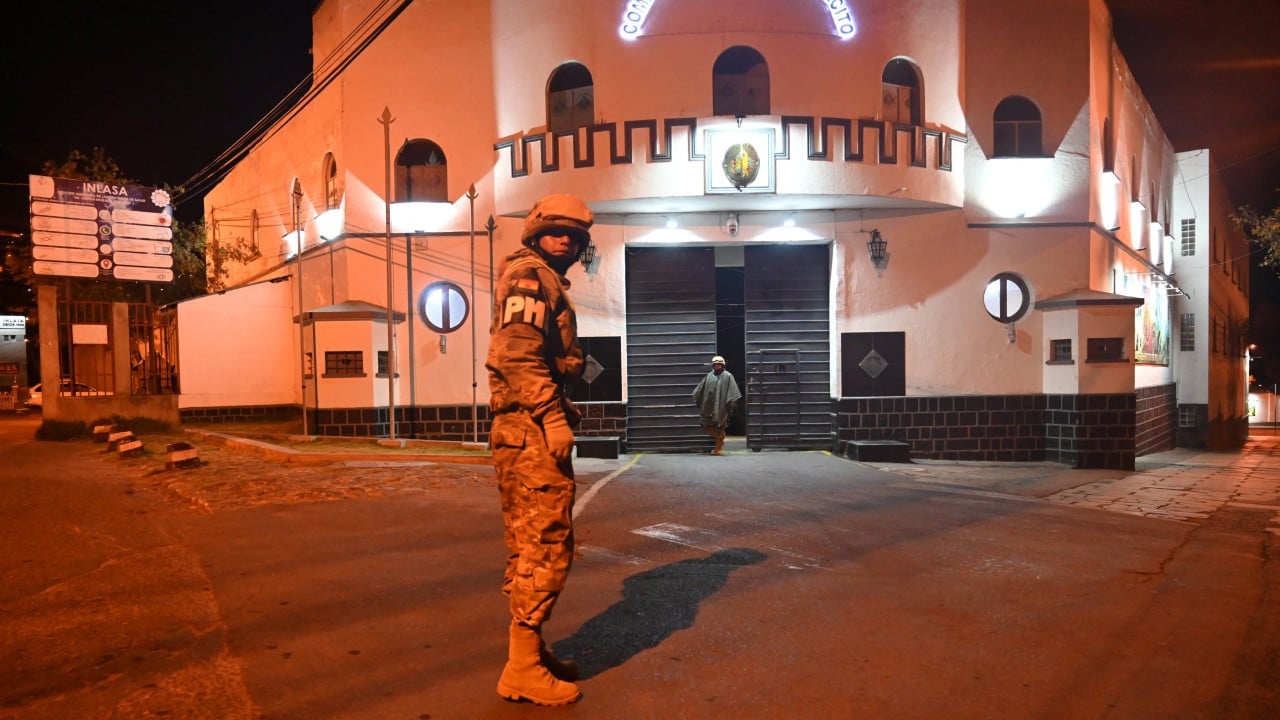
- The declaration allows for wider military deployment to clear blockades and restore order.
- Protests initially stemmed from cuts to fuel subsidies but have broadened into wider discontent.
Bolivia's President Rodrigo Paz declared a state of emergency on Saturday, granting him broader constitutional powers to deploy the military and clear road blockades that have paralyzed the country for 50 days. The protests, initially sparked by cuts to fuel subsidies aimed at shrinking the deficit amid a dollar crunch, have evolved into wider discontent. Unions and groups allied with former President Evo Morales are demanding wage increases, an end to fuel and dollar shortages, and Paz's resignation. The blockades have choked supplies of food, fuel, and medicines, severely impacting the economy. Paz stated the crisis had become an organized attempt to destabilize democracy and warned of legal consequences for continued disruptions.