Key facts
- Australia has refused to release internal documents concerning a climate fund for Tuvalu.
- Australia cited potential diplomatic damage as the reason for refusing to release the documents.
- The climate fund for Tuvalu is invested in fossil fuels.
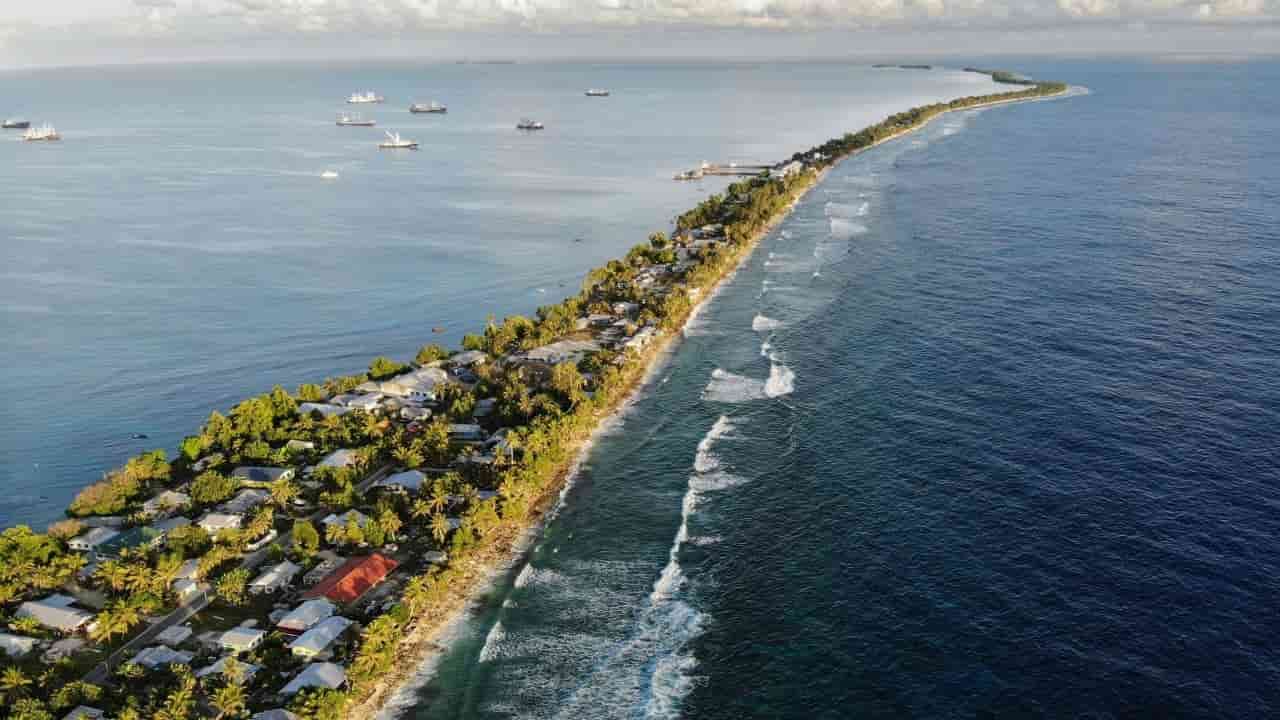
- Tuvalu is a low-lying island nation facing existential threats from rising sea levels.
- A group of Australians has filed a case with the UN.
- The Australians accuse the government of violating human rights by continuing to export coal and gas.
- The plaintiffs cite extreme weather events like bushfires and floods as evidence of harm.
- The legal action is directed at the Australian government's support for fossil fuel exports.
Australia is under pressure regarding its climate actions and fossil fuel exports. A group of Australian citizens has initiated legal action at the United Nations, asserting that the government's continued export of coal and gas constitutes a violation of human rights. The plaintiffs point to severe weather events, including bushfires and floods, as direct consequences of Australia's support for fossil fuels. This legal challenge highlights growing domestic and international concern over the climate impact of fossil fuel dependency.
In a related development, Australia has declined to release internal documents pertaining to a climate fund established for Tuvalu. This fund is intended to assist the low-lying island nation, which faces existential threats from rising sea levels. The Australian government's refusal to disclose these reports is based on concerns that their release could cause diplomatic damage. Adding to the controversy, reports indicate that the climate fund itself is invested in fossil fuels, a fact that directly contradicts the purpose of supporting a nation vulnerable to climate change impacts.