Key facts
- Australia has refused to release internal documents related to the Tuvalu Trust Fund.
- The Tuvalu Trust Fund, crucial for the climate-vulnerable nation, has investments in fossil fuels.
- Australia cited potential diplomatic damage as the reason for withholding the reports.
- Climate experts have criticized the fund's investments as contradictory to Tuvalu's climate crisis.
- Tuvalu's government has expressed disappointment with the fund's investment strategy but noted its limited control.
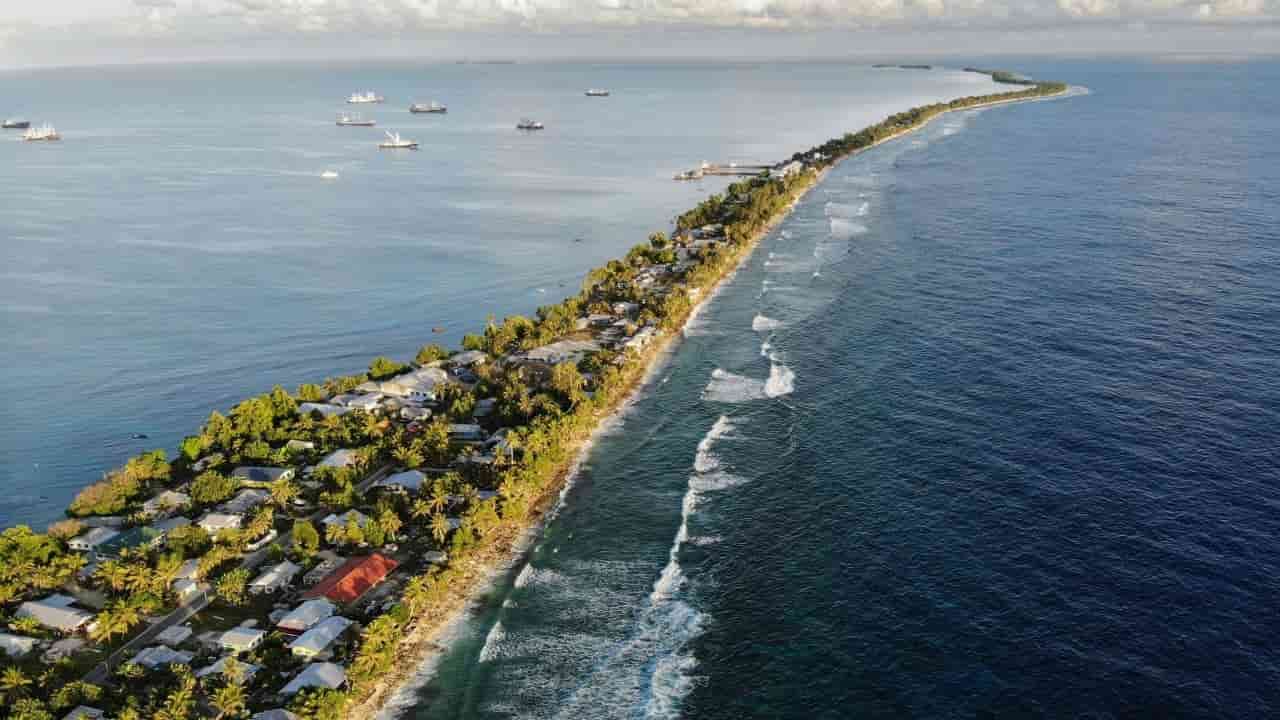
Australia has refused to release internal documents concerning a climate fund for the low-lying Pacific nation of Tuvalu, citing potential diplomatic damage. The Tuvalu Trust Fund, valued at $200 million, is essential for the nation to cope with the escalating costs of climate change, including rising sea levels.
An investigation by Agence France-Presse (AFP) revealed that the trust fund has been invested in assets linked to coal mining, gas exploration, and the world's largest crude oil refinery. Australia, as the largest contributor and a key overseer of the fund, holds one of three board seats. Despite requests made under Freedom of Information laws, Australia's foreign affairs department provided only publicly available documents, withholding internal reports to protect diplomatic relations.
Climate experts have voiced strong criticism regarding the fund's investment strategy. Climate finance expert Ivan Diaz-Rainey expressed concern over the lack of transparency and potential for greenwashing, particularly given the limited regulatory oversight in Pacific island nations. Climate policy expert Wes Morgan described the investments in fossil fuels as "utterly incongruous" with Tuvalu's dire climate predicament, which threatens to submerge the nation.
Tuvalu's Climate Minister, Maina Talia, has condemned Australia's continued support for the fossil fuel industry, calling it "immoral" and incompatible with a viable future for Tuvalu. Despite Australia's efforts to demonstrate commitment to climate action in the region, its reliance on fossil fuels creates a significant disconnect. Tuvalu Prime Minister Feleti Teo acknowledged his personal disappointment with the investments but stated that changing the fund's strategy requires support from Australia and New Zealand, as Tuvalu cannot make unilateral decisions.
Australia has stated its intention to use its board position to minimize exposure to fossil fuel investments, while Mercer, the fund's investment manager, confirmed it operates according to established investment guidelines.