Zaporizhzhia Nuclear Plant Reconnected to Grid After IAEA-Brokered Ceasefire
IN SHORT
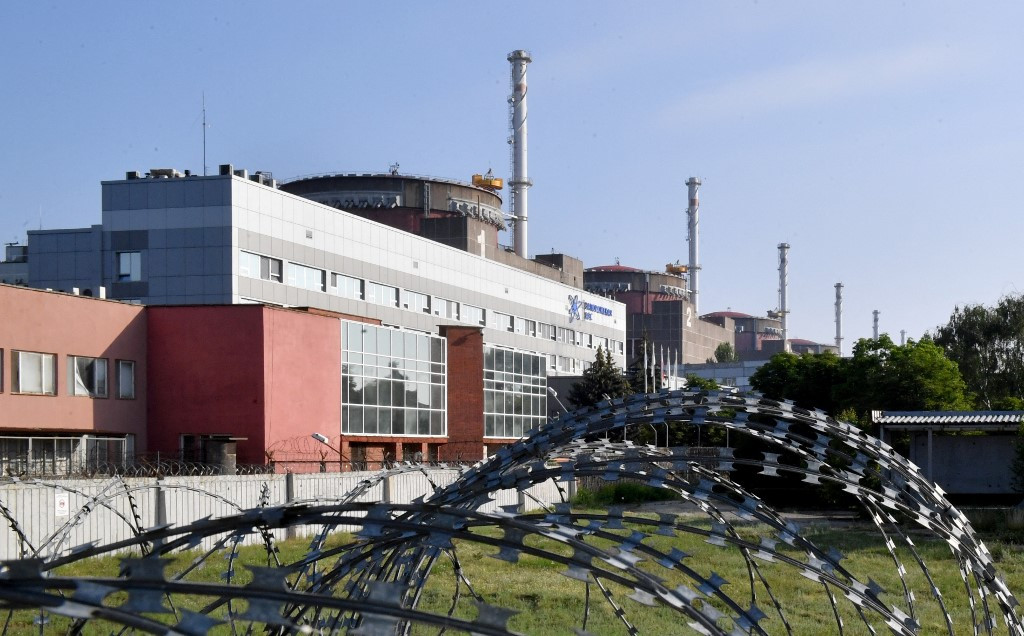
The Zaporizhzhia Nuclear Power Plant has been reconnected to Ukraine's external power grid after a 65-hour blackout, narrowly averting a potential radiological accident. The International Atomic Energy Agency facilitated repairs under a localized ceasefire.
Key Numbers
65 hoursduration of power outage
19thblackout since occupation
7thgrid failure in 2026
June 13date of reconnection
330 kVtransmission line voltage
15-hourprevious blackout duration
Who's Involved
Zaporizhzhia Nuclear Power Plant
temporarily occupied nuclear facility reconnected to grid
Energoatom
Ukraine's state nuclear operator
International Atomic Energy Agency
brokered ceasefire for repairs
Rafael Grossi
IAEA Director General lambasting militarization
↳ Why This Matters
The reconnection of the Zaporizhzhia Nuclear Power Plant to the grid is crucial for preventing a potential radiological disaster. The plant's repeated loss of external power underscores the severe risks posed by the ongoing conflict to nuclear safety in Europe.