Key facts
- The US and Iran are preparing to sign a 60-day interim peace deal extension.
- The deal aims to allow for talks toward a permanent truce.
- Oil prices remained steady near a three-month low.
- The International Energy Agency forecasts a significant supply overhang in the oil market next year.
- Goldman Sachs lowered its Brent price forecast for Q4 2026.
Oil prices remained largely steady near a three-month low as markets digested the implications of a potential U.S.-Iran interim peace deal extension and the International Energy Agency's (IEA) stark forecast of a significant global oil supply overhang in the coming years.
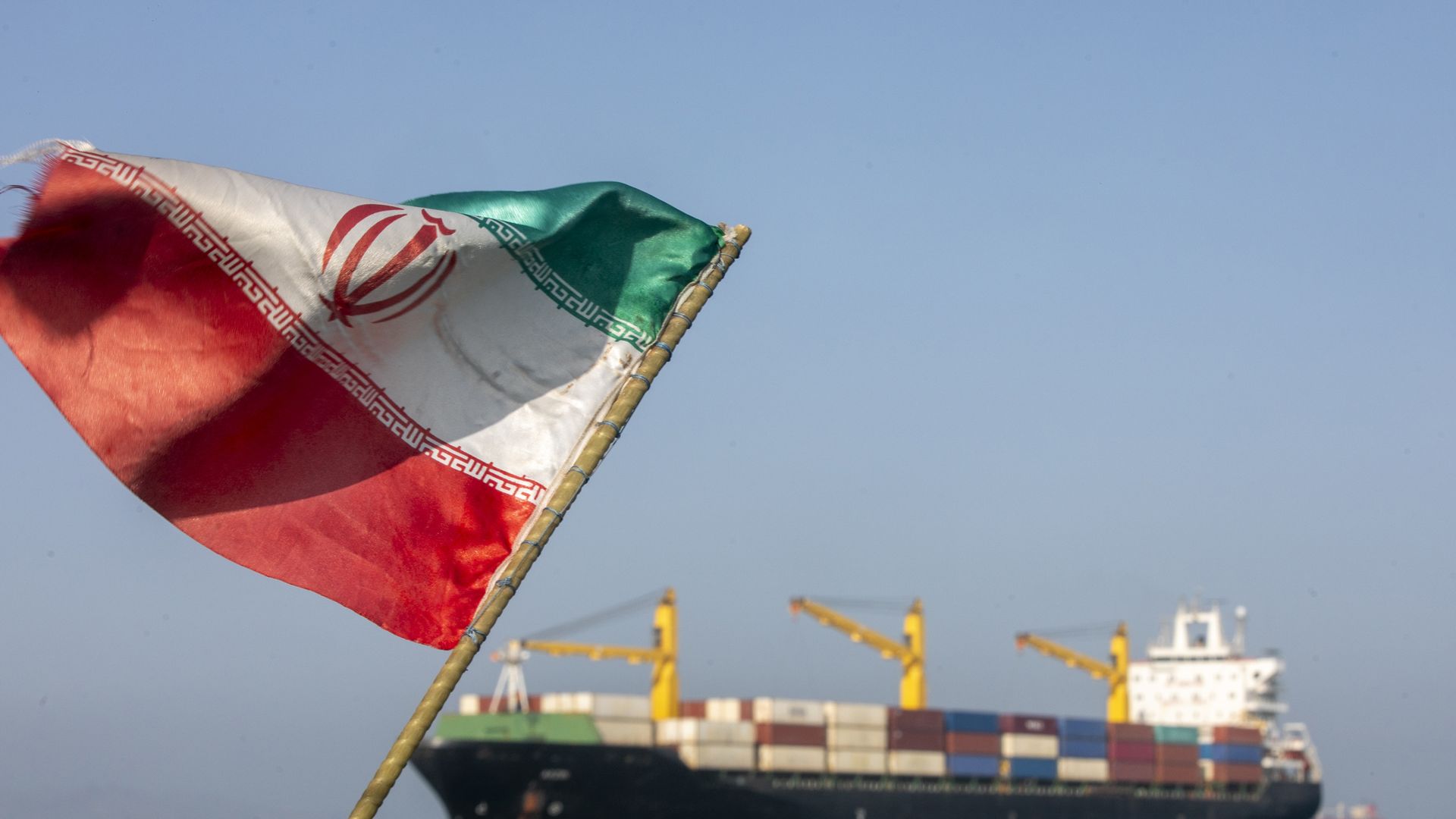
The U.S. and Iran are reportedly preparing to sign a 60-day extension to a fragile ceasefire, a move that could potentially allow for the resumption of oil flows through the critical Strait of Hormuz. Analysts suggest that even a gradual return of Iranian oil to the market would materially affect global supply-demand balances.
However, the IEA's latest report paints a picture of future abundance, predicting that global supply could surge by 8 million barrels per day by 2027, far outpacing demand growth of 2 million barrels per day. This outlook has led some analysts to believe markets are underpricing the potential depth of this future glut.
In response to the evolving geopolitical landscape and supply forecasts, Goldman Sachs has reduced its Brent crude price forecast for the fourth quarter of 2026 to $80 a barrel from $90.
Meanwhile, U.S. crude inventories saw a larger-than-expected draw of 8.3 million barrels in the week ended June 12, according to market sources citing API data, with official EIA figures awaited.