Key facts
- US and Iran have signed a preliminary ceasefire agreement.
- New negotiations to finalize the agreement are scheduled for Friday in Switzerland.
- The deal aims to end a conflict that has killed at least 7,000 people.
- The agreement includes a 60-day extension of a previous ceasefire and the reopening of the Strait of Hormuz.
- Iran's Foreign Minister stated that any Israeli attack on Lebanon would violate the agreement.
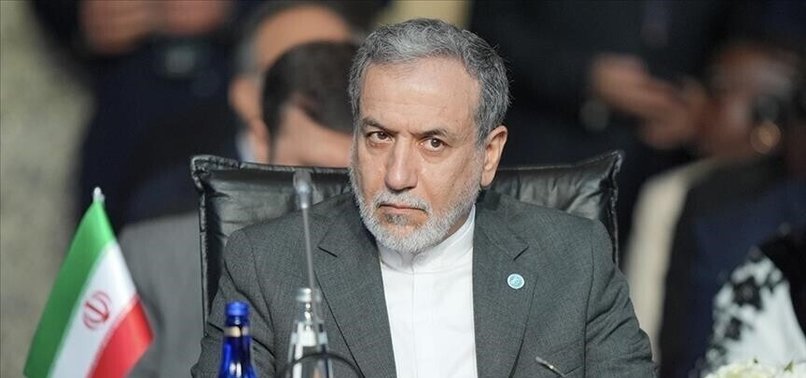
The United States and Iran have signed a preliminary agreement to end a conflict that has claimed at least 7,000 lives and significantly disrupted global energy markets. Iran's Foreign Minister Abas Araqchi announced that a new round of negotiations with the US would commence on Friday in Switzerland to finalize the agreement, following the official start of an interim accord.
US President Donald Trump confirmed the signing of a preliminary deal, stating that details would be made public soon. The agreement reportedly extends a previous 60-day ceasefire and includes the reopening of the Strait of Hormuz, a critical global oil shipping route that Iran had effectively blocked. Future negotiations are expected to address complex issues such as Iran's nuclear program.
Following the announcement, oil prices dropped to their lowest point since March 10. The conflict, which began in February with US and Israeli attacks on Iran, has had a profound impact on global energy markets. Iranian President Masoud Pezeshkian described the memorandum of understanding as a significant step towards halting the fighting, though he noted that a final agreement for a lasting truce is yet to be established.
US Vice President JD Vance characterized the signed memorandum as a brief, general document of about 1-1/2 pages, with more details to be released in the coming days. He indicated that the agreement includes a substantial sanctions relief package for Iran. US officials, speaking anonymously, suggested that Iran would need to meet US demands regarding its nuclear program and its support for militias like Hezbollah to receive these economic benefits. The deal could potentially lead to substantial economic advantages for Iran, including the lifting of sanctions, the unfreezing of assets, and the establishment of a $300 billion reconstruction fund financed by neighboring Gulf states.