All NewsEducationTV
Equities & FundsCrypto & Digital AssetsAI & TechnologyBusiness & CorporateUS Politics & PolicyGeopolitics & Global RiskMacro, Rates & FXCommodities & EnergyEuropean Politics & MarketsAsia-PacificReal Estate & Property
Story archiveAll categories
← All Stories

Unrest grows in Pakistan-administered Kashmir over governance, economic issues

Created at 4 Aug · 8:06 PM1 source↑ Market-relevant
IN SHORT

Popular unrest is surging in Pakistan-administered Kashmir, officially Azad Jammu and Kashmir (AJK), driven by economic grievances and demands for genuine political participation. Protests, led by the Joint Awami Action Committee (JAAC), challenge Islamabad's authority and focus on issues like high electricity bills, unemployment, and taxation.

✉Newsletter

PiQ Daily

Pick your topics. Get only what matters, on your cadence.

Key Numbers

27 percentyouth unemployment rate in AJK
5 millionpopulation of AJK
53total seats in AJK assembly
33seats elected by AJK residents
12seats reserved for Kashmiri refugees
2005year of devastating earthquake in the region
July 27 to August 10dates of staggered regional elections

Who's Involved

Joint Awami Action Committee (JAAC)
Coalition leading protests in Pakistan-administered Kashmir
Danish Khan
Co-director at Franklin & Marshall College, commented on youth unemployment
Faisal Mir
Political economy researcher critical of economic exclusion in AJK
Mujtaba Naqvi
JAAC supporter demanding jobs and a fair life
Raja Nafees
Political activist supporting JAAC's demands regarding refugee seats
Asif Ali Zardari
President of Pakistan People’s Party, accused ruling party of rigging polls
Shehbaz Sharif
Prime Minister of Pakistan, accused of rigging polls
Unrest grows in Pakistan-administered Kashmir over governance, economic issues

↳ Why This Matters

The unrest in Pakistan-administered Kashmir highlights a growing demand for self-governance and economic rights, shifting focus from the long-standing India-Pakistan dispute to domestic governance issues. This popular mobilization challenges Islamabad's authority and could reshape the political landscape of the disputed region.

Key facts

  • Popular unrest is rising in Pakistan-administered Kashmir (AJK), challenging Islamabad's authority.
  • Protests are driven by economic grievances, including high electricity bills, flour prices, and unemployment.
  • The Joint Awami Action Committee (JAAC) leads the movement, demanding genuine political participation and representation.
  • A key dispute centers on 12 legislative seats reserved for Kashmiri refugees, seen by critics as a tool for federal influence.
  • Recent regional elections saw low turnout amid boycott calls, raising questions about the assembly's legitimacy.

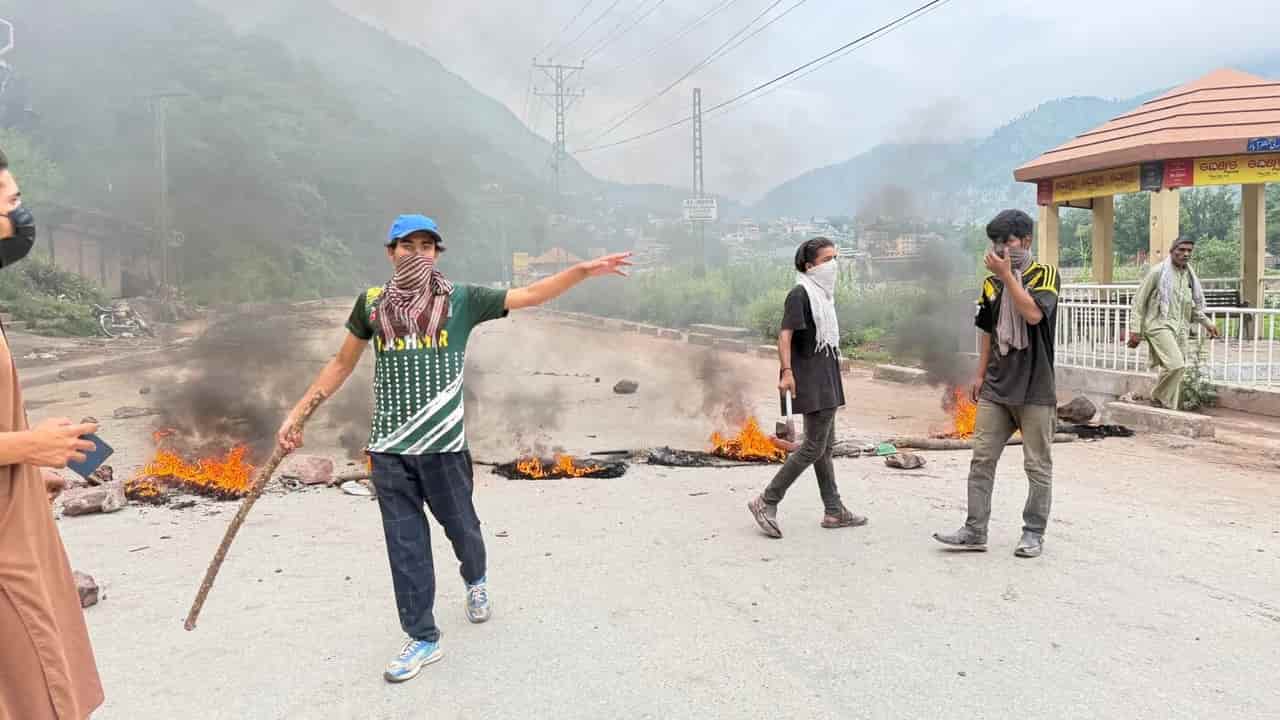
Decades of international focus on the Indian-administered side of Kashmir have overshadowed political developments in Pakistan-administered Kashmir, officially known as Azad Jammu and Kashmir (AJK). This region is now experiencing significant popular unrest, challenging Islamabad's authority and moving beyond the traditional geopolitical conflict with India.

The protests, spearheaded by the Joint Awami Action Committee (JAAC), a coalition of traders, lawyers, students, and activists, initially stemmed from frustration over soaring electricity bills and flour prices. However, these economic grievances have rapidly evolved into a systemic challenge to local governance, with demands for genuine political participation and economic rights.

Youth unemployment in AJK stands at approximately 27 percent, nearly triple Pakistan's national average, and development lags behind the rest of the country. While authorities made concessions, including reduced electricity rates and wheat subsidies, activists argue these do not address deeper structures of economic exclusion. The movement now critiques political arrangements that concentrate power away from the region, with a younger generation seeking accountability and representation.

A central point of contention is the structure of the AJK assembly, which includes 12 seats reserved for Kashmiri refugees who migrated from Indian-administered Kashmir. Critics argue these seats allow federal parties to influence regional politics, leading to instability and a lack of legitimate governance. The region's supreme court has upheld these seats, but local groups view them as a mechanism for external meddling.

Recent regional elections, staggered between late July and early August due to unrest, saw significantly low voter turnout in the initial phases. Analysts have questioned the legitimacy of the resulting assembly, with political infighting and accusations of poll rigging further eroding trust. The nationalist slogan 'Kashmir will be sovereign' is also gaining traction, indicating a shift in political discourse beyond the traditional India-Pakistan dichotomy.

Frequently asked questions

AJK is the official name for Pakistan-administered Kashmir, a territory that functions under a semi-autonomous structure with its own president, prime minister, and parliament.

Protesters are primarily concerned with high electricity bills, rising flour prices, heavy taxation, youth unemployment, and poor public services, alongside demands for genuine political participation and representation.

These seats are reserved for Kashmiri refugees from Indian-administered Kashmir. Critics argue they are used by federal parties to influence regional politics, undermining local autonomy.

Authorities have employed a combination of concessions, such as reducing electricity rates and subsidizing wheat, and coercion, including staggering regional elections.

What Happens Next

01Further negotiations between JAAC and authorities are expected.
02The legitimacy and mandate of the newly elected regional assembly will be closely watched.
03Potential for continued protests and political instability if demands are not met.

Get the newsletter.

Pick the topics you actually care about. We'll email when there's news worth your time, on the cadence you choose. Cancel any time from your account.

Cadence

How It Developed

Protests began over soaring electricity bills and flour prices in Pakistan-administered Kashmir.
The Joint Awami Action Committee (JAAC) emerged in 2023, focusing on basic economic issues.
Youth unemployment in the region is approximately 27 percent.
Government concessions included lowering electricity rates and subsidizing wheat.
Activists view concessions as temporary fixes, demanding deeper structural changes.
Protests evolved into a broader critique of governance and political arrangements.
A younger generation seeks accountability, transparency, and genuine representation.
A contentious issue is the 12 legislative seats reserved for Kashmiri refugees living outside AJK.

Sources

T1
What's driving the rising unrest in Pakistan-administered Kashmir?Middle East Eye

Related Stories

Pakistan Bets on Security and Trade as Ties with Iran Grow
4 Aug · 8:21 PM
Labour Friends of Israel report backs West Bank settlement blocs
4 Aug · 3:31 PM
Israel detained 630 Palestinians in July, destroyed weapons machines
4 Aug · 4:11 PM
Bologna businessman's death highlights human cost of Europe's migration debate
4 Aug · 5:04 AM
US-Saudi strikes on Iraq militias test Baghdad's regional balance
4 Aug · 12:51 PM