All NewsEducationTV
Equities & FundsCrypto & Digital AssetsAI & TechnologyBusiness & CorporateUS Politics & PolicyGeopolitics & Global RiskMacro, Rates & FXCommodities & EnergyEuropean Politics & MarketsAsia-PacificReal Estate & Property
Story archiveAll categories
← All Stories

US-Saudi strikes on Iraq militias test Baghdad's regional balance

Created at 4 Aug · 12:51 PM1 source↑ Market-relevant
IN SHORT

Joint US-Saudi strikes on Iran-linked militias in Iraq have exposed Baghdad's delicate balancing act between Riyadh and Tehran, potentially forcing difficult choices on security and regional relations.

✉Newsletter

PiQ Daily

Pick your topics. Get only what matters, on your cadence.

Key Numbers

20PMF members killed
4Iranian IRGC advisers killed
48partnerships and agreements signed by Iraqi PM with US firms
September 30deadline for Iraqi disarmament compliance
August 7deadline given by IRI for Baghdad's response

Who's Involved

US and Saudi forces
conducted joint strikes on Iran-linked militias in Iraq
Popular Mobilisation Forces (PMF)
Iraqi paramilitary group targeted in strikes
Islamic Revolutionary Guard Corps (IRGC)
Iranian military advisers killed in strikes
Islamic Resistance in Iraq (IRI)
Umbrella group of Iran-backed militias vowing retaliation
Hesham Alghannam
Carnegie Middle East scholar based in Riyadh
Mustafa Alsaray
Director of research at Al-Bayan Centre for Research and Planning
Donald Trump
US President indicating direct negotiations with Iran
Abu Hussein al-Hamidawi
Secretary general of Kataeb Hezbollah
Ali al-Zaidi
Prime Minister of Iraq
US-Saudi strikes on Iraq militias test Baghdad's regional balance

↳ Why This Matters

The joint US-Saudi strikes in Iraq have intensified regional tensions and complicated Baghdad's efforts to balance its relationships with Iran, Saudi Arabia, and the United States, potentially impacting Iraq's internal security, economic development, and its role in regional stability.

Key facts

  • US and Saudi forces conducted joint strikes on Iran-linked militia bases in Iraq on July 29.
  • The strikes killed at least 20 militia members and four Iranian Revolutionary Guard Corps advisers.
  • The action was in retaliation for drone attacks on Saudi oil facilities originating from Iraq.
  • Saudi Arabia stated the strikes were an act of "self-defence" and a deterrent measure.
  • The strikes complicate Iraq's efforts to control non-state armed groups and deepen ties with the US and Saudi Arabia.

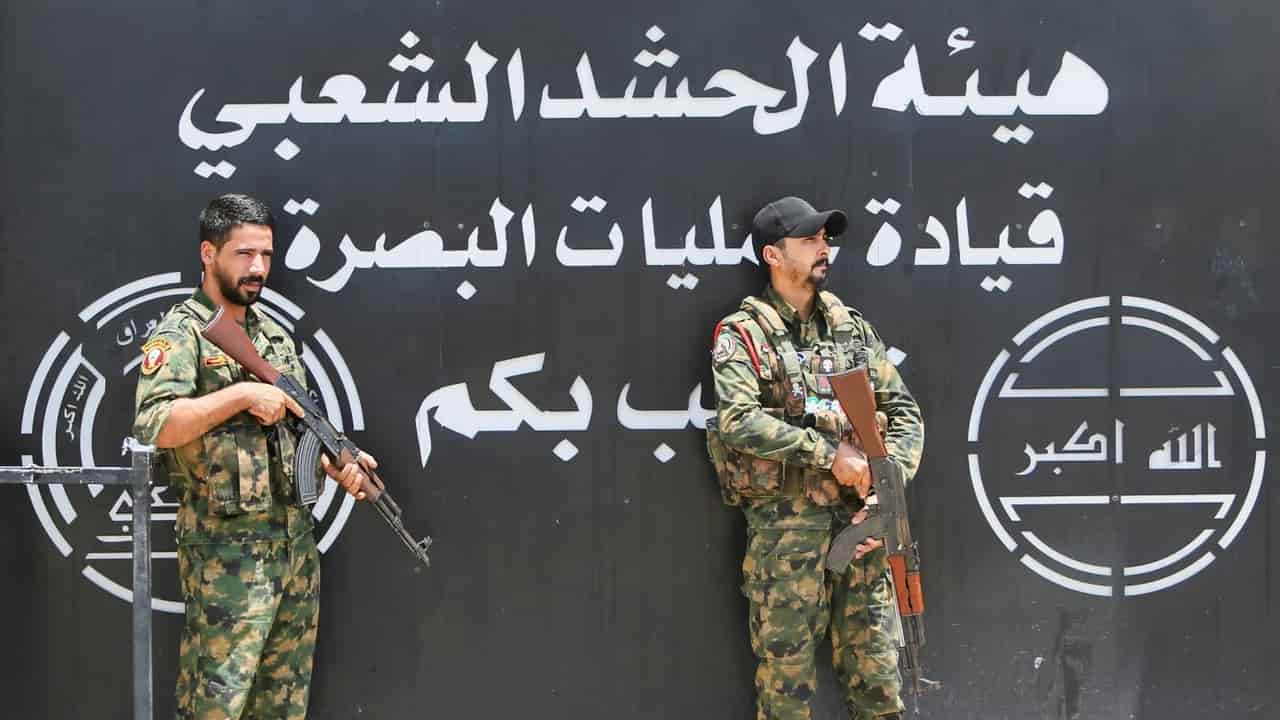
Joint strikes by US and Saudi forces on Iran-linked militias in Iraq last week have highlighted the precarious balance Baghdad is trying to maintain between closer ties with Riyadh and Washington, and managing powerful Tehran-aligned armed groups. The strikes, which occurred on July 29, targeted bases of Iraq's Popular Mobilisation Forces (PMF), resulting in the deaths of at least 20 militia members and four advisers from Iran's Islamic Revolutionary Guard Corps, according to Iraqi and Iranian media.

These strikes marked the first time Saudi Arabia has publicly joined such operations with the US. They were a direct response to drone attacks on Saudi oil facilities that originated from Iraqi territory. Saudi Arabia's foreign ministry characterized the action as "self-defence" and indicated a willingness to conduct further strikes if attacks on its soil persist, while signaling a desire to avoid a sustained military confrontation.

The timing of the strikes is particularly sensitive for Iraq, which is attempting to bring weapons held by non-state armed groups under state control and deepen its political and economic engagement with the US and Saudi Arabia. This situation places increased pressure on Baghdad to manage internal security while navigating complex regional relationships.

Analysts suggest Saudi Arabia's objective was primarily to restore deterrence against Iran and its Iraqi allies, rather than to initiate a new conflict. Dr. Hesham Alghannam, a Carnegie Middle East scholar, noted that the targeting of Iranian military advisers alongside militia fighters sent a clear message to Tehran that Saudi Arabia holds Iran responsible for actions directed from Iraqi soil.

While the Islamic Resistance in Iraq (IRI), an alliance of Iran-backed militias, has vowed retaliation, its rhetoric towards Riyadh has been more measured than towards Washington. The IRI has issued an August 7 deadline for Baghdad to respond, a move seen by some as an attempt to influence domestic policy and pressure the government to sever ties with Saudi Arabia, rather than an immediate signal of escalation.

Experts like Mustafa Alsaray suggest these deadlines are often political messages aimed at achieving specific outcomes. Alternatively, the groups might be coordinating their response with Tehran and the broader "Axis of Resistance," especially given recent signs of de-escalation in US-Iran relations. However, a renewed confrontation could prompt further attacks on Saudi Arabia and potentially other Gulf states.

The developments are expected to test Iraq's ability to advance its security reforms and maintain its growing economic and political ties with Riyadh. The government is pursuing a disarmament plan with a September 30 deadline for armed groups. However, the recent strikes and Baghdad's perceived inability to prevent them have strengthened the resolve of some factions to retain their weapons. Kataeb Hezbollah, for instance, has stated the attacks reinforced its commitment to developing its arsenal.

Prime Minister Ali al-Zaidi's recent visit to Washington resulted in numerous agreements with US firms, but deeper economic ties are contingent on Baghdad's success in constraining militias involved in attacks on US facilities. Similarly, Saudi investment prospects in Iraq could be jeopardized if Baghdad fails to control these groups, with September 30 seen as a critical test for Saudi and Emirati investors.

Frequently asked questions

The strikes were in retaliation for drone attacks on Saudi oil facilities that were launched from Iraqi territory.

It marked the first time Saudi Arabia publicly joined strikes alongside the US, signaling a more assertive stance against Iran-linked groups operating from Iraq.

They complicate Baghdad's efforts to integrate the PMF into state security and enforce a disarmament deadline for armed groups, potentially hardening resistance.

The Iraqi government has set a deadline of September 30 for armed groups to comply with its disarmament plan.

What Happens Next

01The IRI has given Baghdad until August 7 to respond to the strikes.
02Iraq's disarmament deadline for armed groups is September 30.
03US forces are set to withdraw from Iraq on September 30.

Get the newsletter.

Pick the topics you actually care about. We'll email when there's news worth your time, on the cadence you choose. Cancel any time from your account.

Cadence

How It Developed

US and Saudi forces conducted joint strikes on bases belonging to Iraq's Popular Mobilisation Forces (PMF).
The strikes killed at least 20 PMF members and four Iranian Islamic Revolutionary Guard Corps advisers.
The joint attacks were in retaliation for drone attacks on Saudi oil facilities launched from Iraqi territory.
Saudi Arabia described the strikes as "self-defence" and signaled further action if attacks resume.
The Islamic Resistance in Iraq (IRI) vowed retaliation against the US and potentially Saudi Arabia.
IRI-linked groups called on Baghdad to sever ties with Saudi Arabia, aiming to influence domestic policy.
Some groups are waiting for developments in Iran-US conflict before coordinating a response.
US President Donald Trump indicated direct negotiations with Iran are underway.

Sources

T1
US-Saudi strikes test Iraq's balancing act between Riyadh and TehranMiddle East Eye

Related Stories

Pentagon seeks 'creative' ways to punish Iran, report says
3 Aug · 7:31 PM
Yemen's Houthis claim strike on Saudi airport
4 Aug · 10:36 AM
Trump claims Iran talks underway amid ship attack near Hormuz
3 Aug · 6:21 PM
Millions attend Arbaeen pilgrimage in Iraq amid regional tensions
4 Aug · 8:31 AM
Iran and Oman discuss Hormuz shipping control plan amid US blockade
4 Aug · 9:46 AM