Key facts
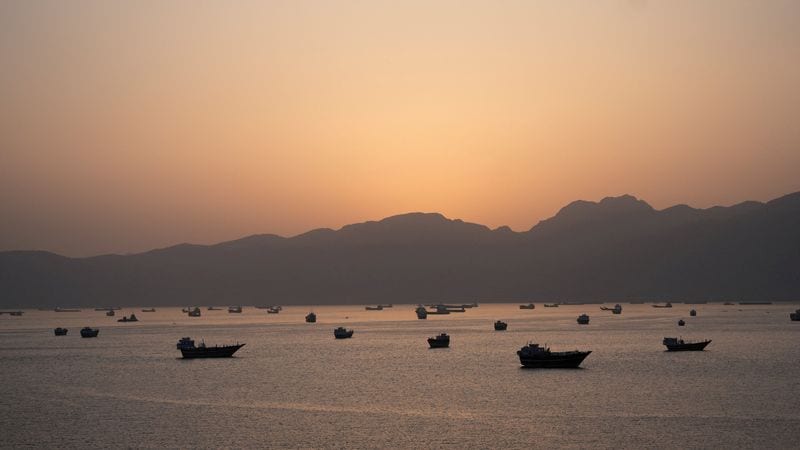
- The UN's International Maritime Organization (IMO) is coordinating an evacuation plan for 11,000 seafarers stranded on 500-600 ships in the Strait of Hormuz.
- The operation requires cooperation from Iran, Oman, other coastal states, the United States, and the maritime industry.
- The IMO has confirmed securing necessary safety guarantees for safe navigation.
- Approximately 20,000 seafarers are currently stranded on about 3,200 vessels west of the Strait of Hormuz.
- At least eight seafarer or dock worker deaths have been reported in the region since the conflict began.
The United Nations' International Maritime Organization (IMO) has initiated an evacuation plan for approximately 11,000 seafarers stranded on 500-600 ships in the Strait of Hormuz. This large-scale operation, set to commence, will be conducted in close cooperation with Iran, Oman, other coastal states, the United States, and industry stakeholders, according to IMO Secretary-General Arsenio Dominguez.
The initiative follows months of waiting for the seafarers and comes after Iran and the U.S. reached a ceasefire deal. The IMO has secured the necessary safety guarantees and verified conditions for safe navigation to support these operations. The agency stated it has begun contacting ships to start the evacuation, though no specific timeframe was provided.
According to the UN body, around 20,000 seafarers remain stranded on approximately 3,200 vessels west of the Strait of Hormuz. Incidents in the region have resulted in at least eight seafarer or dock worker deaths since the conflict began. The IMO council has strongly condemned threats and attacks against vessels by Iran, demanding Tehran cease such actions. A plan for a safe evacuation framework was tabled by Bahrain, Japan, Mexico, Panama, Singapore, and the UAE, and has garnered support from the US.