Key facts
- Hundreds of thousands of children in Gaza lack access to functioning schools, according to a UN report.
- Only 613 temporary learning spaces have been established for over 770,000 children.
- UNICEF is expanding its 'Back to Learning' program to support 336,000 children.
- Over 90% of schools in Gaza have been damaged or destroyed.
- The cost to provide a year of education and support for one child is approximately $280.
A new report from the United Nations Satellite Centre (Unosat) reveals a critical shortfall in educational infrastructure in Gaza, with hundreds of thousands of children lacking access to functioning schools. As of June 30, only 613 temporary learning spaces have been established to serve approximately 770,422 children, leaving a significant gap in enrollment capacity. Areas like North Gaza, Gaza City, Khan Younis, and Deir el-Balah are particularly strained due to high concentrations of displaced Palestinians.
In response, UNICEF is significantly expanding its 'Back to Learning' program, aiming to reach 336,000 children. This initiative provides not only educational activities but also crucial mental health and psychosocial support, recognizing the profound impact of the ongoing conflict on an entire generation. The program operates through multi-service, non-formal learning centers, working in conjunction with the Palestinian Ministry of Education and UNRWA.
The scale of the crisis is immense, with UNICEF reporting that 60% of school-aged children currently lack in-person learning opportunities. More than 90% of schools have suffered damage or destruction, and early childhood services have collapsed, putting over 335,000 children under five at risk of severe developmental delays. Despite the overwhelming demand, with existing centers having long waiting lists, UNICEF is appealing for $86 million to sustain and expand its efforts for the remainder of the year.
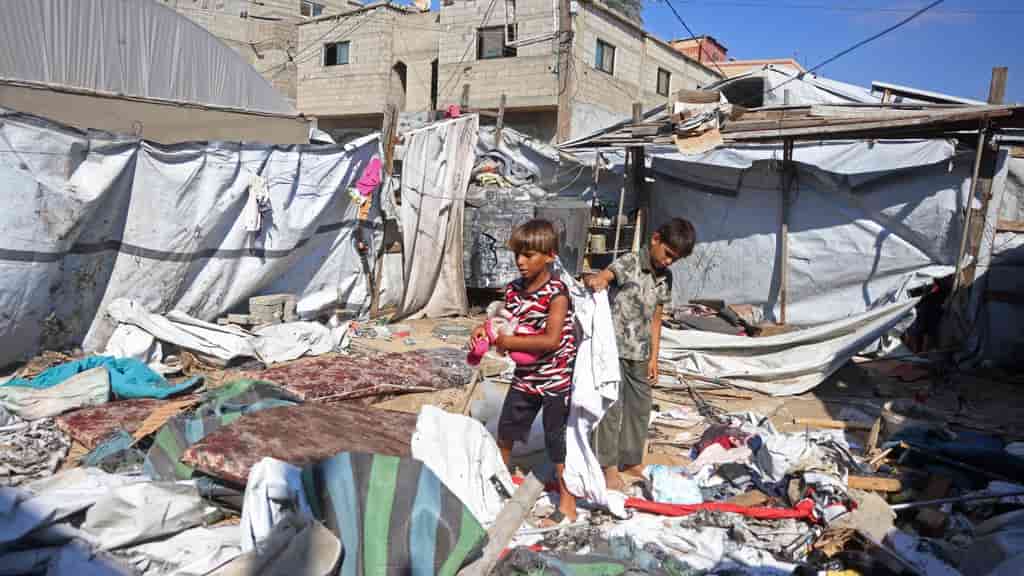
Displaced children are living in dire conditions, with many schools converted into shelters. Testimonies from children highlight the loss of two years of education, with daily life now centered on survival, searching for food and water, rather than learning and playing. The desire to return to a normal life, attend school, and rebuild Gaza's educational legacy is palpable among the affected population.