Key facts
- The Ukrainian Nuclear Society disputes IAEA chief Rafael Grossi's assessment of staffing at the Zaporizhzhia Nuclear Power Plant.
- The group stated licensed specialists have dropped from 159 to 22, calling it a 'catastrophic shortage'.
- Grossi had previously stated the plant was 'adequately staffed' for its cold shutdown state.
- The society cited alleged human rights abuses, including detention and torture, against plant workers by Russian forces.
- The organization urged Grossi to advocate for the safety and release of Ukrainian plant personnel.
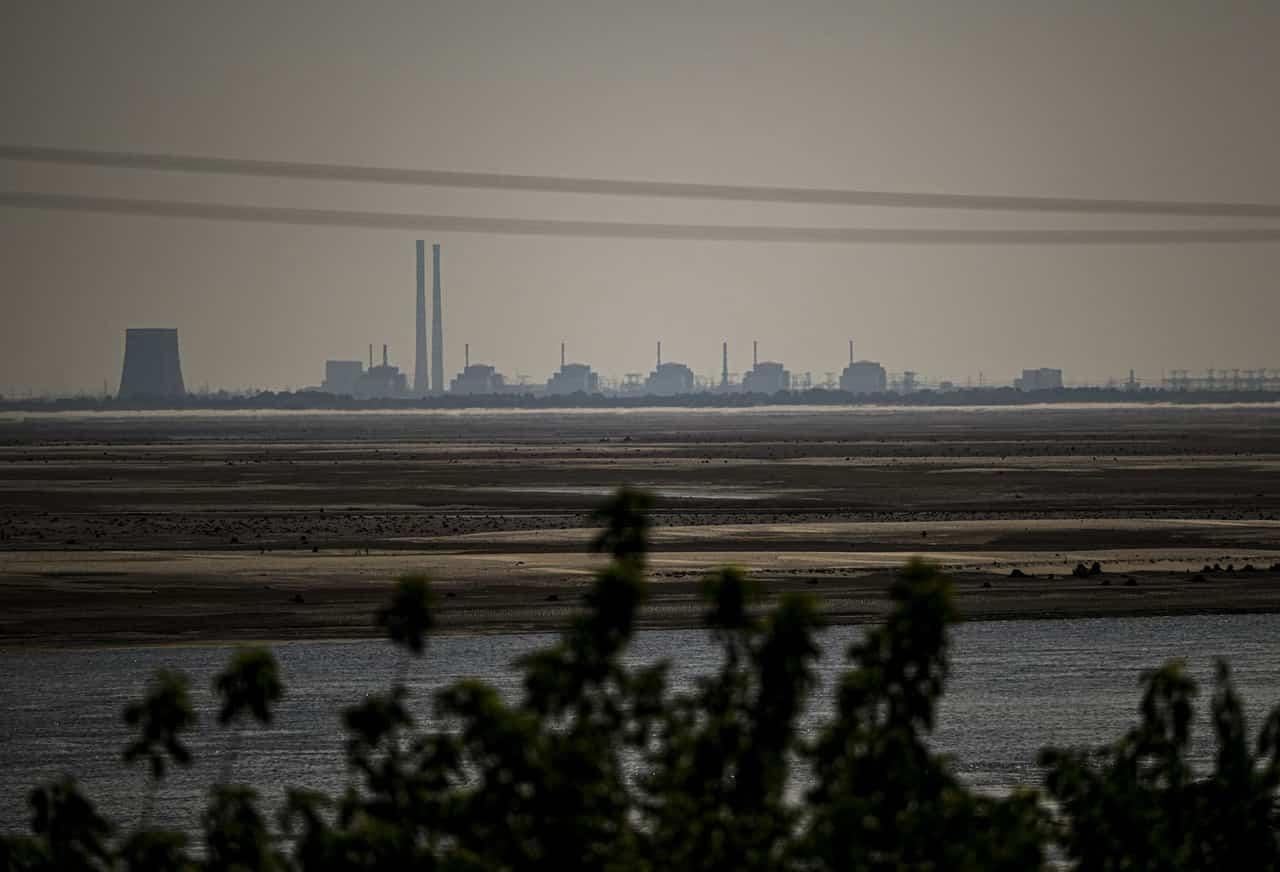
The Ukrainian Nuclear Society has formally challenged the International Atomic Energy Agency (IAEA) Director General Rafael Grossi's assessment that staffing levels at the Russian-occupied Zaporizhzhia Nuclear Power Plant do not pose a significant safety risk. In a letter dated July 10, the society stated it 'cannot agree' with Grossi's comments made in April, arguing they fail to capture the severity of the personnel crisis.
Grossi had remarked during a visit to Kyiv that the plant, while in cold shutdown, was 'adequately staffed' and that 'the staffing issue is not a major issue.' However, the Ukrainian Nuclear Society, representing over 3,500 nuclear specialists, countered that the number of licensed employees authorized for critical operations has plummeted from 159 before the Russian occupation to just 22. They described this as a 'catastrophic shortage' that is inadequate even for a plant in cold shutdown.
Furthermore, the organization noted that only approximately 3,000 of the nearly 11,000 pre-occupation employees currently have access to the facility. The presence of Russian personnel, they argued, does not resolve the safety concerns and their qualifications and adherence to standards are unknown. The society also highlighted the psychological toll on Ukrainian staff, citing investigations by Truth Hounds that detail alleged illegal detentions, torture, and abuse of plant employees and Enerhodar residents by Russian forces. At least 14 plant employees are reportedly still in Russian captivity, with 10 receiving lengthy prison sentences.
The Ukrainian Nuclear Society urged Grossi to leverage his international influence to protect the plant's legitimate Ukrainian personnel, draw more attention to the conditions at the facility, and increase pressure on Russia for the release of detained workers, stating that the plant's safety begins with the safety and freedom of its staff.