Key facts
- Ukrainian drone pilots participated in Sweden's Exercise Aurora 26, simulating a Russian-like adversary.
- The Ukrainian team successfully neutralized NATO forces, including Leopard 2 tanks and CV90 infantry fighting vehicles.
- During a mechanized assault simulation, Ukrainian drones destroyed over 30 NATO vehicles before they reached their objectives.
- Ukrainian pilots highlighted NATO's lack of experience in drone warfare, including pilot safety, positioning, and advanced flying techniques.
- The exercise aimed to help NATO forces learn from Ukraine's extensive experience with drone warfare.
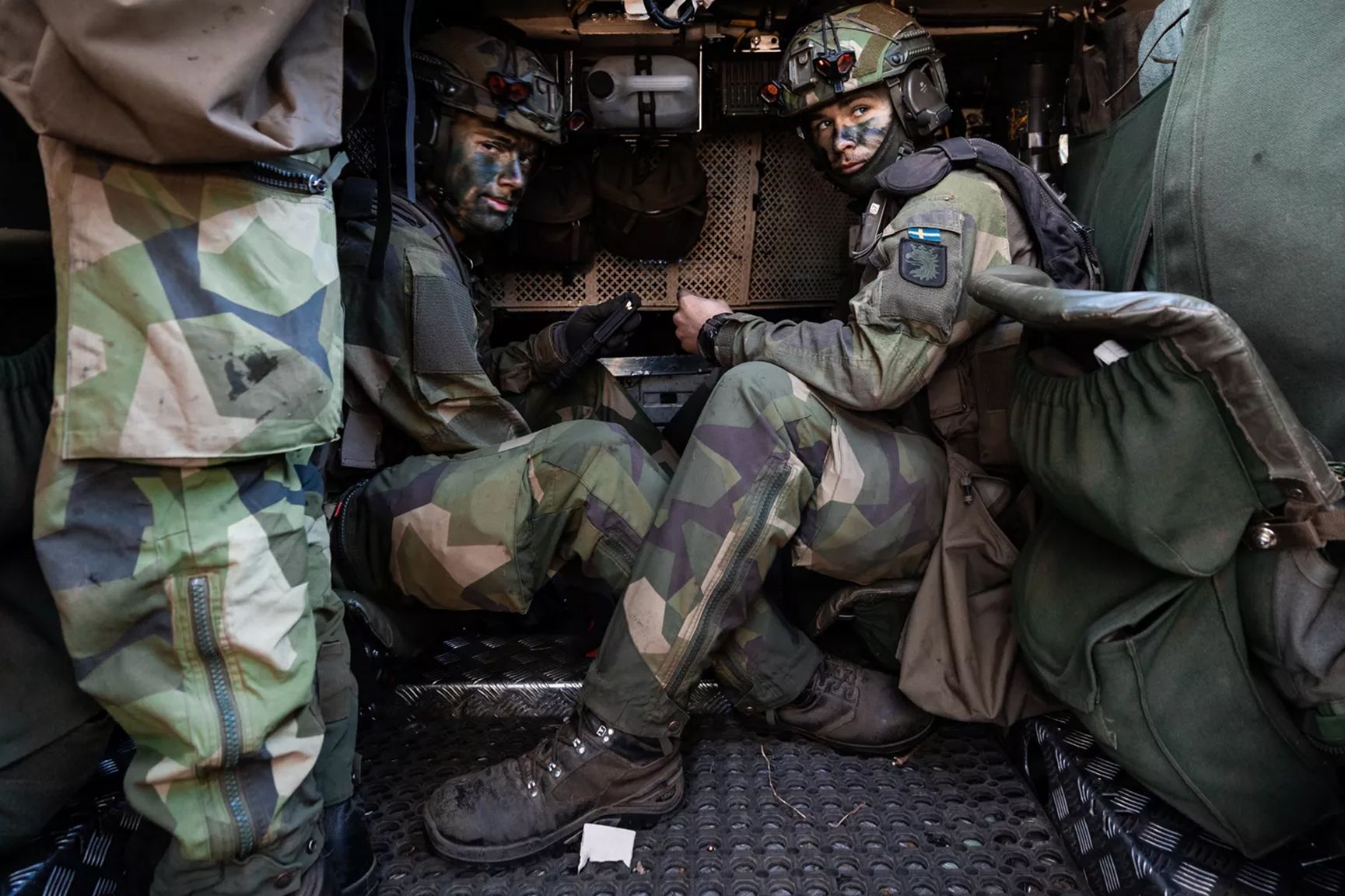
In a recent Swedish-led military exercise, Exercise Aurora 26, Ukrainian drone pilots demonstrated a significant advantage over NATO forces, highlighting the evolving nature of modern warfare. The exercise, held on the island of Gotland, involved troops from Sweden and 11 other nations, including the United States, France, and the Netherlands.
Ukrainian soldiers from the 1st Azov Corps, acting as the opposing force (OPFOR), utilized their combat-honed drone expertise to effectively neutralize NATO units. One notable incident involved a Ukrainian drone pilot, identified only as Kvita, spotting and tracking a state-of-the-art Leopard 2 tank, which was then simulated as destroyed. Kvita, a 37-year-old reconnaissance drone pilot from the National Guard's 20th Lubart Brigade, had recently returned from fighting in Donetsk Oblast, Ukraine.
"A tank shooting at a Mavic is like trying to kill a fly with a machine gun," Kvita stated, emphasizing the disparity in capabilities and experience. The Ukrainian contingent, comprising reconnaissance and FPV strike teams, participated in three distinct scenarios: a hybrid-style attack on an airfield, a mechanized assault, and a special forces mission. In the mechanized assault, NATO armored vehicles, including Leopard 2 tanks and CV90 infantry fighting vehicles, were spotted and neutralized by drones long before reaching their objectives. The Ukrainian team reported destroying over 30 pieces of NATO equipment, eventually losing count.
Pilots like Kvita and Kozache, a 30-year-old FPV pilot also from the 20th Brigade, noted that NATO forces struggled with basic drone warfare principles. They lacked experience in pilot safety, effective camouflage, and advanced flying techniques, areas where Ukrainian units have developed expertise through years of conflict against Russia's electronic warfare capabilities. Kozache mentioned that NATO's countermeasures were largely ineffective against their drones, even without deploying specialized fiber-optic systems.
The exercise underscored the sluggish pace at which many NATO militaries are adapting to drone warfare, despite its dominance on the Ukrainian battlefield since 2024. While NATO forces are taking steps to integrate drones and learn from Ukrainian experiences, bureaucratic obstacles and a lack of comparable combat exposure hinder rapid progress. The Ukrainian pilots suggested that high-level commitment is needed to overcome these systemic issues.