Key facts
- Ukraine carried out a record 16 strikes on Russian oil refineries in May 2026.
- These strikes targeted facilities with a combined capacity of over 83 million tons per year.
- The attacks led to significant disruptions in gasoline and diesel supply across Russia.
- Public reaction in Russia showed anger towards the state and mockery of air defense capabilities.
- The strikes are perceived as undermining Russia's image of invincibility and bringing the war's cost to citizens.
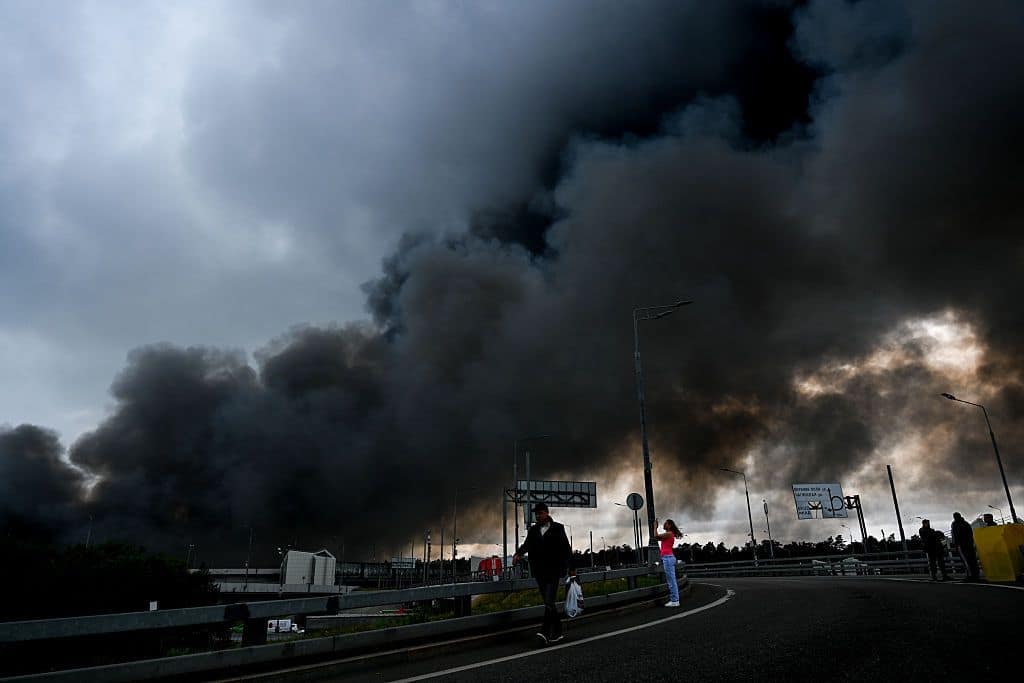
Throughout May 2026, Ukraine launched an unprecedented campaign of long-range drone strikes against Russian oil refineries, marking the most intense assault on the sector since the full-scale war began. In May alone, 16 strikes were recorded, a monthly record, impacting facilities across Russia, including major refineries in Perm, Moscow, Kstovo, Tuapse, and Volgograd.
The cumulative effect of these attacks has been significant, with refineries possessing a combined capacity of over 83 million tons per year halting or sharply cutting output. This disruption has led to a substantial decrease in the exchange supply of AI-95 gasoline, a more than 20% rise in wholesale prices, and a government ban on the export of aviation fuel and most gasoline grades. By early June, shortages and rationing had spread to 25 regions across European Russia.
Analysis of over a thousand posts from regional Russian Telegram channels revealed that the strikes are not only causing anger and unease but are also directing public criticism inward, towards the state's perceived inability to protect its citizens. Common themes in online comments include mockery of air defense systems and grievances against authorities for failing to provide security. While demands to retaliate exist, they are a minority, with a significant portion of such comments being sarcastic.
Sociological data from a May poll by the Levada Center indicated that 6 in 10 Russians believe it is time for peace negotiations, reflecting a growing fatigue with the prolonged conflict. However, the article notes that these comments do not represent all of Russian society, and a segment still desires peace on Russian terms. The Russian state has responded with increased censorship, including decrees banning unofficial information about drone strikes and advising federal TV channels to minimize coverage of attacks.
The campaign of strikes is systematically undermining Russia's image as an impenetrable fortress. Physically, drones are reaching targets over a thousand kilometers away, and Russia has proven unable to adequately protect its oil refining capacity. Psychologically, for millions of Russians, the war has become a tangible reality, marked by sirens, closed airports, and gas station lines, rather than a distant event on television. While these strikes alone are unlikely to change the regime or stop the war, they are methodically shifting the cost of the conflict onto Russia's economy, cities, and the minds of its citizens.