Key facts
- Ukraine's Air Force warns of a high probability of a Russian Oreshnik missile launch within the next 24 hours.
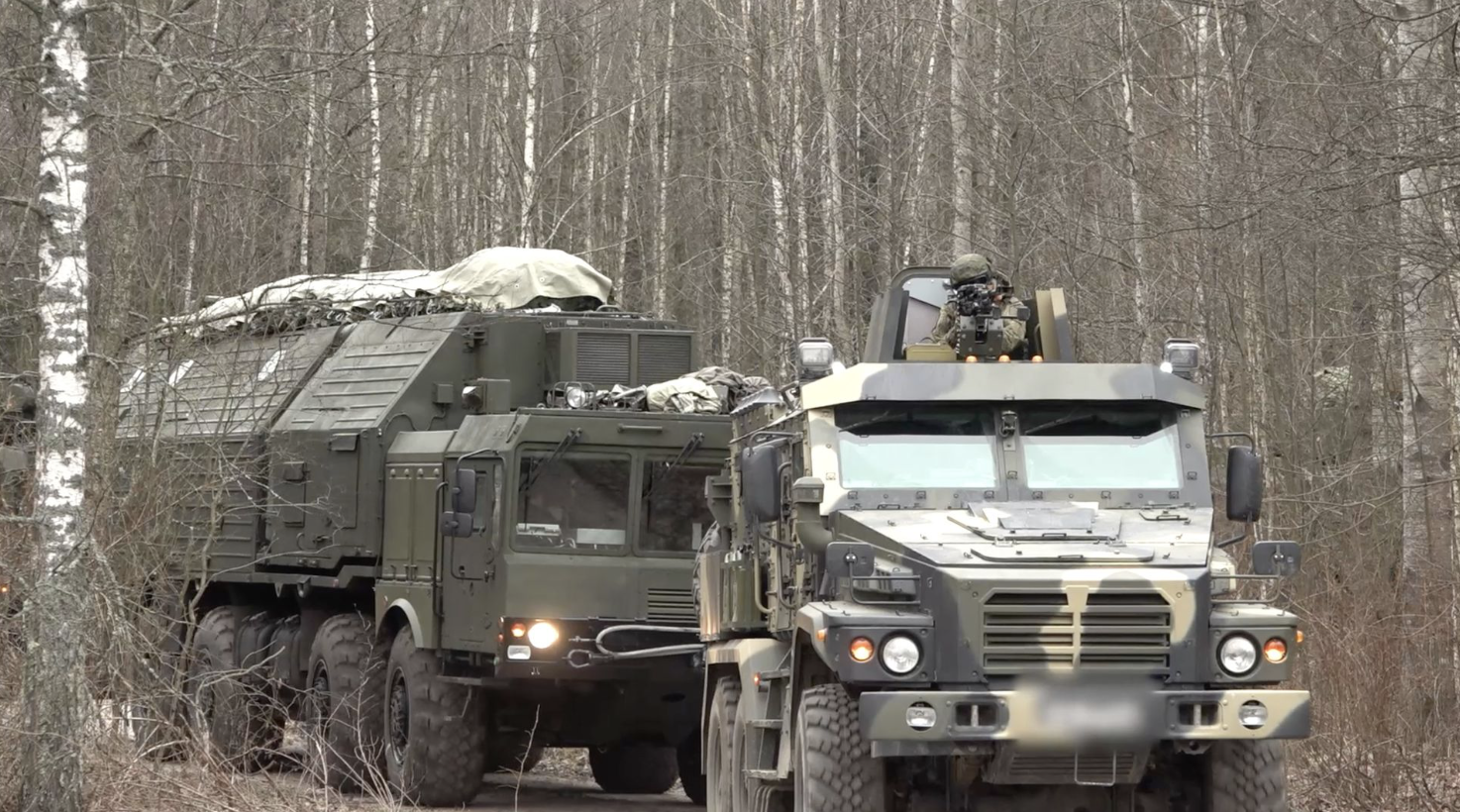
- The Oreshnik is an intermediate-range ballistic missile, a modified version of the Rubezh.
- The missile was last used on May 24 against Bila Tserkva.
- The expected launch site is Kapustin Yar in southern Russia.
- President Zelensky urged vigilance due to potential imminent large-scale Russian attacks.
- The Oreshnik can carry nuclear-capable reentry vehicles, though previous payloads were inert.
Russian forces are highly likely to deploy an intermediate-range ballistic missile, identified as the Oreshnik, against Ukraine within the next 24 hours, according to a warning from Ukraine's Air Force. This missile, believed to be a modified version of the Rubezh, has been used three times previously during the ongoing conflict, with its most recent deployment occurring on May 24 targeting Bila Tserkva in Kyiv Oblast.
The Ukrainian Air Force indicated on Telegram that the launch is anticipated to originate from the Kapustin Yar launch site located in southern Russia. Concurrently, President Volodymyr Zelensky has advised Ukrainians to heed air raid alerts in the coming days, suggesting that another significant Russian missile and drone attack might be imminent.
This alert follows a series of substantial attacks on the capital city over the past month, including an incident on May 14 that resulted in 24 fatalities. The Oreshnik missile, first deployed against Dnipro in November 2024, is a recently commissioned weapon belonging to a category previously prohibited by the Cold War-era Intermediate-Range Nuclear Forces (INF) Treaty, from which both the United States and Russia have since withdrawn. The missile is capable of deploying up to six nuclear-capable reentry vehicles, carrying a total of 36 warheads upon reentry. However, in all its previous uses against Ukraine, the Oreshnik has carried inert payloads rather than explosives. Despite its limited impact in prior instances, the Oreshnik has been a prominent feature in Russia's campaign of threats, including warnings of its potential use against Ukraine's political leadership and government institutions.