Key facts
- Turkey has banned all public assemblies in Ankara province for 13 days ahead of a NATO summit.
- Authorities arrested 225 people, including activists and alleged supporters of the DHKP/C and Islamic State groups.
- Amnesty International condemned the ban and arrests as an attack on freedom of assembly and expression.
- Several Turkish journalists and media outlets were denied accreditation for the summit.
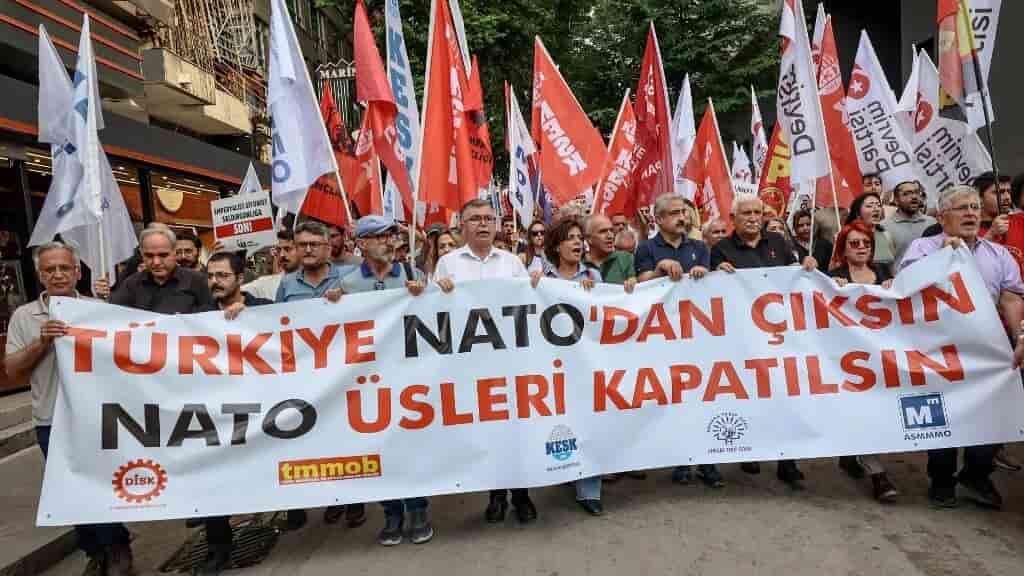
Rights groups have criticized Turkey's decision to ban public assemblies and detain hundreds of individuals ahead of a NATO summit scheduled for July 7-8. The Ankara Governorate cited national security and summit preparations for the 13-day ban on all public gatherings. Among those arrested were alleged supporters of the leftist Revolutionary People's Liberation Party/Front (DHKP/C) and the Islamic State group, as well as activists, academics, and lawyers.
Amnesty International described the crackdown as an "unjustifiable attack on the rights to freedom of peaceful assembly and expression" and called for the lifting of "excessively broad and disproportionate restrictions." The organization also criticized NATO's decision to deny accreditation to some Turkish journalists and media outlets, calling it a blow to media freedom.
Leftist and some Islamist groups have historically criticized Turkey's NATO membership, viewing it as a sign of US dominance. Current geopolitical tensions, including US support for Israel's actions in Gaza and its actions towards Iran, have further fueled anger towards the summit in Turkey. Several respected independent Turkish media outlets, such as Cumhuriyet, Sozcu, Anka, T24, and Medyascope, were among those denied accreditation, prompting a joint statement from media freedom bodies condemning NATO's decision.