Key facts
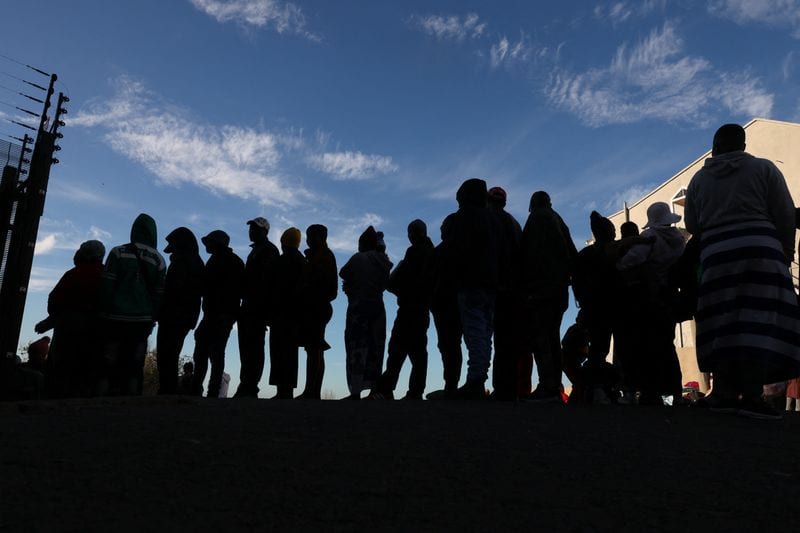
- Thousands of migrants are attempting to leave South Africa due to fear of violence from nationwide anti-immigrant protests scheduled for Tuesday.
- Organizers of the protests claim peaceful intentions, but fears of violence persist due to past xenophobic attacks.
- Anti-immigrant groups cite job competition, strain on public services, and crime as reasons for their grievances.
- Official statistics suggest the number of migrants in South Africa has decreased and that immigrants are disproportionately law-abiding.
- Experts attribute South Africa's socio-economic problems, including unemployment and poor service delivery, to governance issues rather than immigration.
Thousands of migrants in South Africa are attempting to leave the country ahead of scheduled anti-immigrant protests on Tuesday, June 30. Many fear the protests will escalate into violence, reminiscent of recent xenophobic attacks that resulted in destruction and fatalities. Neighboring countries like Mozambique, Malawi, and Zimbabwe are working to repatriate their citizens, though accommodating the demand presents challenges. South African authorities have pledged a significant police presence to maintain order during the demonstrations. President Cyril Ramaphosa has urged the public not to attribute the nation's socio-economic issues to immigrants.
Anti-foreigner groups, such as March and March, claim their protests are peaceful but state that South Africa is overwhelmed by undocumented immigrants who they believe take jobs, deplete public services, and contribute to high crime rates. Surveys indicate a growing hostility towards immigrants among South Africans, with a significant majority viewing their economic impact negatively and favoring stricter immigration controls.
However, official statistics from StatsSA in 2023 indicated that migrants constitute about 4.1% of South Africa's population, a figure lower than a decade prior and below the proportion in countries like Britain, Canada, and Australia. Data from 2017 suggested that foreigners comprised about 6% of the prison population, with most offenses being immigration-related. A 2018 World Bank report suggested that migrant employment creates additional jobs for South Africans through business activity. Experts also note that undocumented migrants are unlikely to utilize public services like hospitals and schools due to fear of detection, and that the country's service delivery issues are primarily linked to chronic underinvestment, corruption, and poor governance.
The roots of xenophobia in South Africa are complex, historically linked to the apartheid government's use of migrant labor and currently fueled by high unemployment rates and inadequate service delivery. Politicians have also been accused of stoking anti-immigrant sentiment, particularly around election periods.