Key facts
- A Saudi-owned vessel, Encelia, was attacked in the Red Sea.
- The attack resulted in a fire at the bow of the ship.
- All crew members onboard the Encelia were reported unharmed.
- The fire was successfully contained.
- The Houthis claimed responsibility for the attack, stating the vessel violated a naval blockade.
- The US is continuing strikes against Iran amid regional tensions.
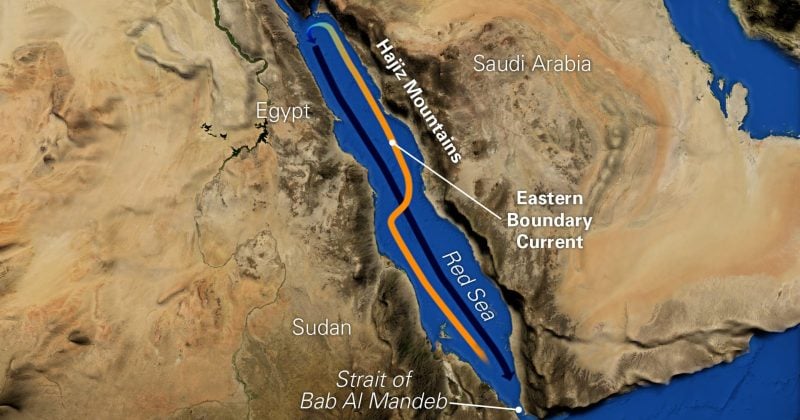
A Saudi-owned vessel, the Encelia, was attacked in the Red Sea, sustaining a fire at its bow, according to Saudi state news agency SPA. All crew members were reported safe, and authorities were taking measures to secure the vessel and protect the marine environment. The fire was successfully contained.
The Houthis claimed responsibility for the attack, identifying the Encelia and another vessel, Layla, as targets for allegedly violating a naval blockade on Saudi Arabia. A maritime security source confirmed the Encelia sent a distress call after being hit by a missile near the Saudi port of Jizan. The UK Maritime Trade Operations agency also reported a tanker being struck by an unidentified projectile in the same area, causing a fire.
This incident is part of a series of attacks attributed to the Houthi movement, which has targeted commercial shipping in the Red Sea. The attacks raise concerns about maritime security in the strategic waterway and potential disruptions to global energy supplies. Market pricing suggests an increased likelihood of the Bab el-Mandeb Strait closure, with a 26% probability by September 30.
Meanwhile, the US military announced it had begun its 12th consecutive night of strikes against Iran, with US Central Command stating the aim is to reduce Iran’s ability to threaten ships in regional waters. This escalation follows the collapse of a ceasefire deal earlier in July. US President Donald Trump has escalated rhetoric toward Tehran, warning of direct responses to attacks on vessels.
Separately, the United States announced it had signed a civilian nuclear cooperation agreement with Saudi Arabia, alongside a bilateral safeguards pact, with US Energy Secretary Chris Wright and Saudi Energy Minister Prince Abdulaziz bin Salman signing the agreements.