Key facts
- Canada is calling for de-escalation and a permanent ceasefire in the Middle East.
- The situation in the Middle East is described as 'quite grave.'
- Canada expressed concern over the latest confrontation between Philippine and Chinese vessels in the South China Sea.
- Canada supports resolving maritime disputes under the United Nations Convention on the Law of the Sea (UNCLOS).
- Canada is seeking to conclude a free trade agreement with ASEAN.
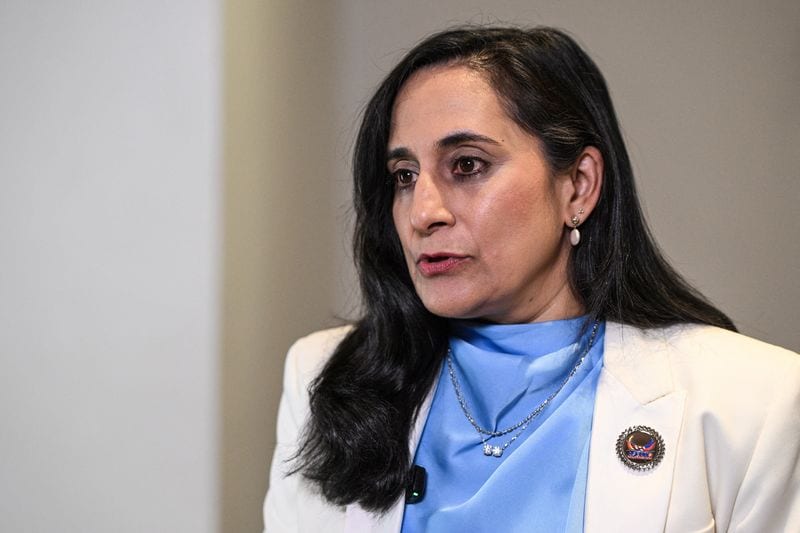
Canada is urging for a de-escalation and a permanent ceasefire in the Middle East, with its Foreign Minister Anita Anand describing the situation as 'quite grave.' Anand made these remarks on the sidelines of an ASEAN meeting in Manila, where she also reaffirmed Canada's support for international law in addressing tensions in the South China Sea.
Anand stated that Ottawa remains committed to protecting civilian lives and critical infrastructure in conflict zones. She expressed concern over the recent maritime incident involving the Philippines and China, calling it 'troubling' and emphasizing that intimidation is not an acceptable means of addressing disputes. Canada advocates for resolving maritime disputes under the United Nations Convention on the Law of the Sea (UNCLOS) and reiterated its longstanding support for a 'free and open Indo-Pacific.'
Anand noted that discussions with Chinese Foreign Minister Wang Yi included bilateral ties and regional security, specifically raising concerns about the Indo-Pacific. Beyond security, Anand highlighted Canada's priority to diversify trade beyond the United States and its efforts to conclude a free trade agreement with ASEAN.