Key facts
- At least a dozen attacks on health facilities and workers have occurred during Congo's Ebola outbreak.
- Safety concerns are limiting the response efforts in Ituri province, the epicenter of the outbreak.
- Many unpaid health workers have gone on strike, further hindering response.
- Attacks have been carried out by mobs protesting deaths and demanding bodies.
- The current Ebola outbreak is the fastest growing on record, with 2,181 cases and 864 deaths.
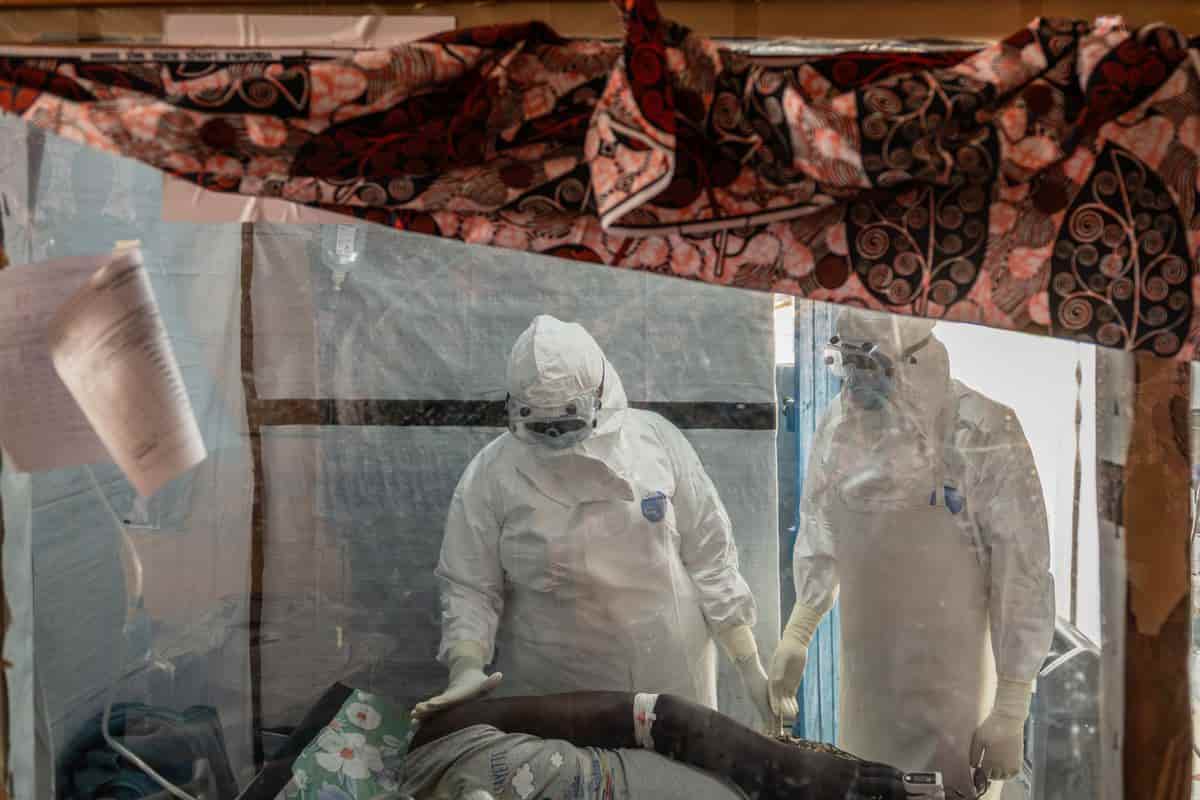
At least a dozen attacks on health facilities and workers have been recorded during Congo’s Ebola outbreak, with safety fears significantly restricting the response efforts in Ituri province, the epicenter of the disease. Authorities reported Saturday that many unpaid health workers and other frontline personnel have also gone on strike, further complicating efforts to contain what has been declared the fastest-growing Ebola outbreak on record.
Pierre Akilimali, incident manager for the Ebola response, stated at a press briefing that many of the attacks have been carried out by angry mobs who have stormed treatment centers or targeted response teams in the field. In Ituri province, which accounts for approximately 90% of all cases, health and aid workers have been observed leaving remote communities considered hot spots and relocating to Bunia, the provincial capital. This exodus follows the latest attack on Wednesday by residents protesting the death of a woman at a hospital in the town of Nyakunde.
Congolese authorities also reported that suspected cases have surpassed 900 in the eastern part of the country, primarily in Ituri. On Sunday night, angry young men stormed a hospital treating Ebola patients in Mongbwalu, demanding the handover of two bodies of their relatives. Medical staff evacuated patients amidst gunfire, though it remains unclear if anyone was injured. This attack, along with the arson at two health centers the previous week, highlights the deep-seated anger in a region already beset by violence from armed rebel groups, significant displacement, governmental failures, and reduced international aid, which experts suggest has left health facilities in vulnerable areas in dire condition.
Eastern Congo has a long history of violence involving numerous rebel and militant groups, some with foreign affiliations. The Rwanda-backed M23 rebels control parts of the region, and while the Congolese government maintains control in Ituri, it is tenuous. The Allied Democratic Forces, a Ugandan Islamist group linked to IS, is another dominant rebel group responsible for attacks on civilians. Doctors Without Borders had previously assessed that insecurity in Ituri had worsened, leading to the flight of medical personnel and leaving health facilities in catastrophic conditions even before the Ebola outbreak.