Key facts
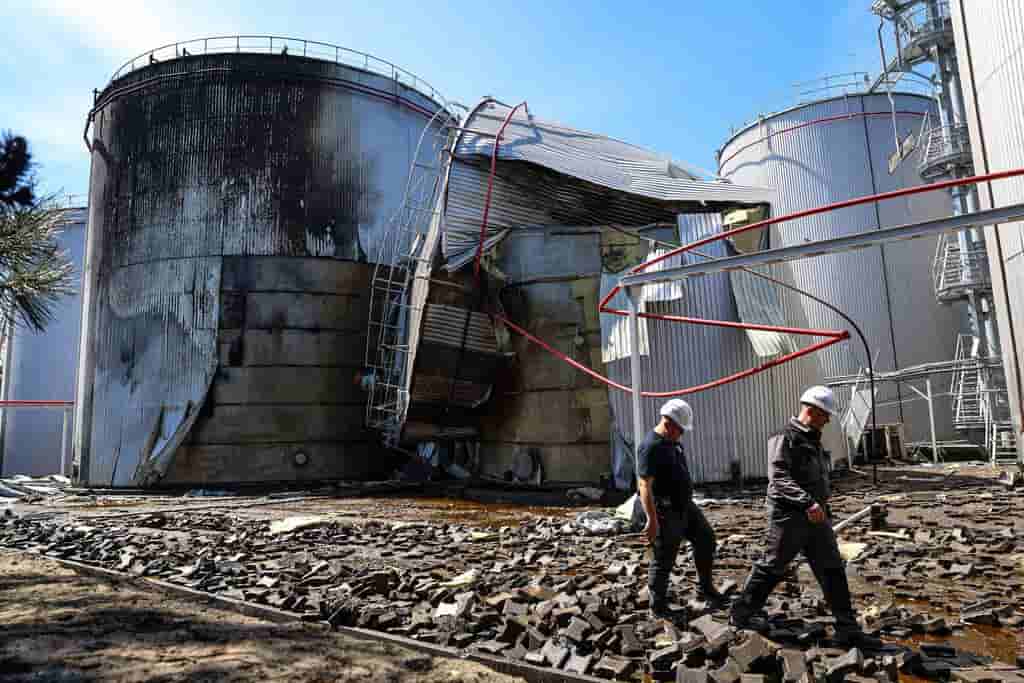
- Russia's intensified bombing campaign is targeting Ukrainian seaports, terminals, and cargo ships.
- The Black Sea shipping route, crucial for 90% of Ukraine's agricultural exports, is under significant strain.
- Freight rates for shipping grain have doubled, impacting farmer earnings.
- Many shipowners are avoiding Ukrainian ports due to security risks, leading to limited new arrivals.
- Ukraine faces shortages of air defense systems and effective port infrastructure restoration mechanisms.
- Russia's attacks have resulted in civilian casualties and damage to vessels.
Russia's escalating attacks on Ukrainian ports and cargo ships are severely disrupting the nation's agricultural exports, leading to a de facto slowdown of the critical Black Sea maritime corridor. The intensified campaign, which has seen civilian vessels targeted and resulted in casualties, is causing freight costs to double and deterring shipowners due to heightened security risks.
Oleh Khomenko, CEO of the Ukrainian Agribusiness Club, stated that many shipowners are no longer authorizing their vessels to enter Ukrainian ports, limiting new arrivals and creating a significant slowdown. This situation is expected to reduce farmers' earnings in the short term, forcing Ukraine to rely on more expensive and less efficient alternative logistics routes by road, rail, and the Danube River.
This Russian strategy appears to be a response to Ukraine's successful strikes on Russia's oil industry, targeting one of Ukraine's key economic sectors. Agricultural exports generated $22 billion last year, and the industry was already facing challenges from soaring fertilizer prices earlier in the year.
President Volodymyr Zelensky noted that Russia has been stepping up attacks to choke the corridor, with specific incidents on July 22 preventing ships from entering port. Inna Verba, spokeswoman for the Odesa Regional Prosecutor’s Office, reported that between June 20 and July 20, 28 civilian vessels in Greater Odesa ports were attacked, resulting in 21 deaths and 34 injuries.
Ukrainian agribusinesses have warned of catastrophic consequences if the situation persists, citing a shortage of air defense systems and difficulties in restoring damaged port infrastructure. The All-Ukrainian Agrarian Council (VAR) stated that if terminals lose their recovery capability, exports will collapse, storage facilities will overflow, and farmers will lack the working capital for the next planting season, threatening food security both domestically and globally.