Key facts
- Ukrainian drone units are conducting operations behind front lines to target Russian ships in the Black Sea and Sea of Azov.
- These units have reportedly struck over 180 vessels and sea-borne targets around Crimea in the past three weeks.
- The campaign, dubbed 'Molochko', aims to isolate Crimea and weaken Russia's war effort.
- Attacks have disrupted Russian shipping, particularly through the Sea of Azov.
- Russia has responded with intensified attacks on Ukrainian ports and civilian vessels.
Ukrainian drone units are expanding their operations to target Russian ships in the Black Sea and Sea of Azov, aiming to isolate Crimea and weaken Moscow's war effort. Operating from the steppe, these units have reportedly struck over 180 vessels and other sea-borne targets around the peninsula in the past three weeks, opening a new front in the conflict.
The attacks, part of a campaign dubbed 'Molochko' (Moscow will collapse because of Crimea), are designed to raise the cost for Russia of occupying Crimea and to shift the initiative towards Kyiv. Battalion commander 'Ray' of the Magyar's Birds brigade stated his team works day and night, launching drones frequently. During a recent visit by Reuters, the unit reported striking a cargo vessel, a floating crane, and a power substation. Commander Robert 'Magyar' Brovdi has reported hitting about six vessels per day since July, which has choked Russian shipping through the Sea of Azov and reportedly reduced the Kerch ferry crossing's capacity by 75%.
These efforts are seen as a logical continuation of Ukraine's campaign to pressure Russian forces by targeting their logistics and resources. However, Ukraine's strikes have been mirrored by intensifying Russian attacks on southern Ukraine, particularly Odesa and other ports. In one recent incident, 10 sailors were killed after a Russian strike on a vessel carrying corn. Ukrainian officials stated that in the first two weeks of July alone, Russia struck Ukrainian ports 23 times and civilian vessels 17 times.
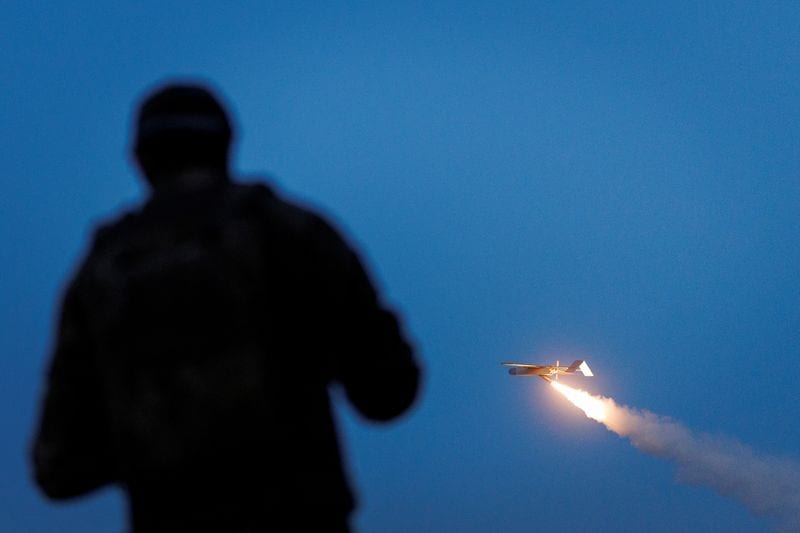
The Ukrainian-made FP-1 and FP-2 drones used by these units are a key part of Kyiv's growing arsenal. Teams frequently relocate to new sites after each launch, and pilots often take over remotely for the final strike. Despite technological advancements allowing launches from over 100 km behind front lines, these drone teams remain a target for Russian forces. The campaign is reportedly boosting Ukrainian morale by achieving tangible results and complicating Russian logistics.