Key facts
- Russia has shifted its missile attack strategy, increasingly using ballistic and hypersonic missiles.
- Concentrated salvos of various weapons are being directed at single Ukrainian cities, primarily Kyiv.
- Ukraine faces a severe shortage of Patriot interceptor missiles needed to counter ballistic threats.
- Russia's production of Iskander-M missiles has increased, and it appears to be drawing from stockpiles.
- Recent attacks have targeted cultural sites and infrastructure, with speculation that this is for domestic Russian audiences.
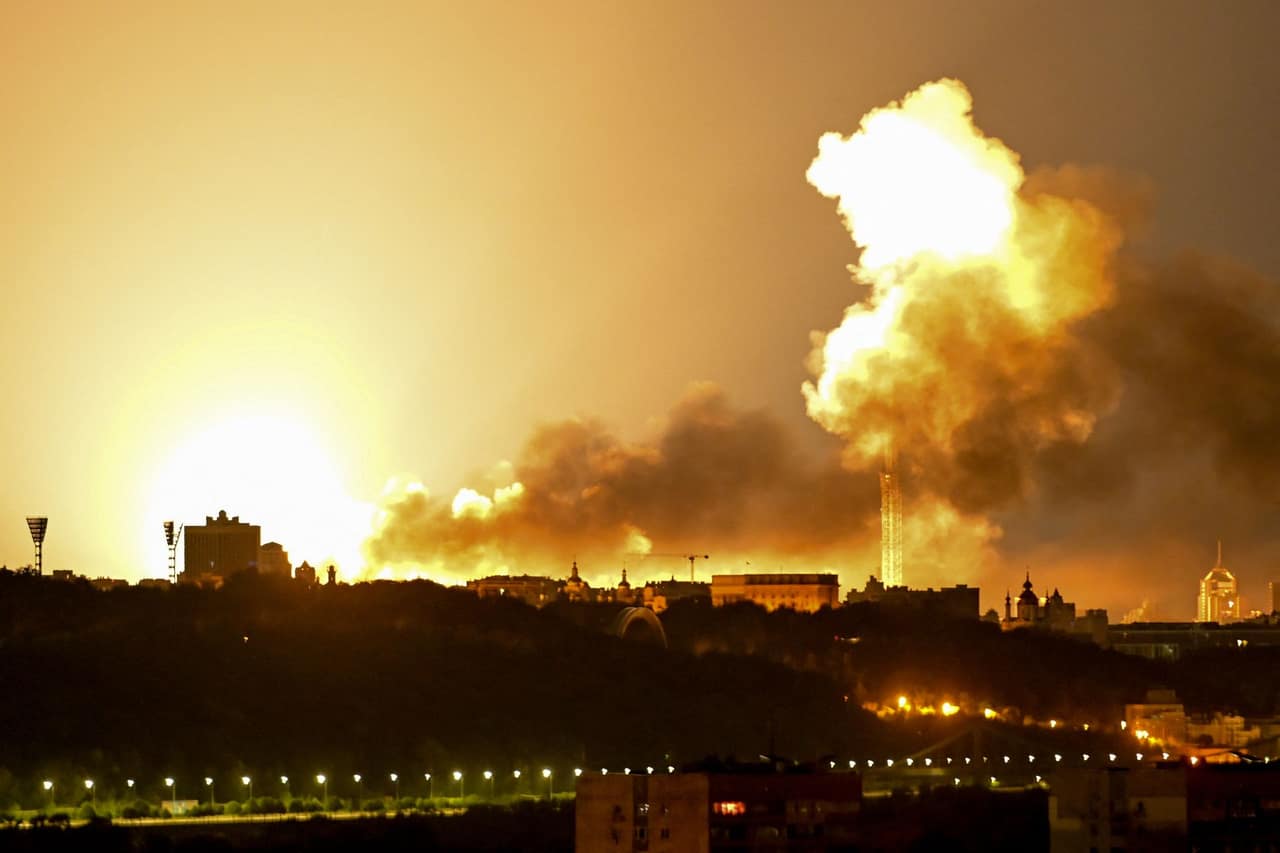
Russia has intensified its missile attacks on Ukraine, shifting tactics to rely heavily on ballistic and hypersonic missiles, particularly targeting Kyiv. These concentrated salvos, often including Zircon missiles, aim to overwhelm Ukraine's air defenses, which are struggling with a critical shortage of Patriot interceptors.
This new strategy contrasts with Russia's earlier reliance on cruise missiles. Aviation expert Kostiantyn Kryvolap noted that cruise missiles constituted 70-80% of attacks in 2022, a figure now significantly reduced as Russia prioritizes ballistic missiles. Colonel Yurii Ihnat of the Ukrainian Air Force explained that Russia now targets single cities with a combination of weapons, including drones, decoys, and various missile types, to complicate decision-making and increase the chance of successful strikes.
The increased use of ballistic missiles has raised questions about Russia's production capacity. While Iskander-M production has reportedly stabilized around 55-60 missiles per month, the current rate of launches suggests Russia may be utilizing existing stockpiles. Ukrainian strikes on Russian production facilities had previously reduced output, but capacity has been partially restored.
Ukraine's air defenses have become highly effective against drones, with interception rates nearing 90%. However, interception rates for cruise and ballistic missiles are significantly lower, dropping to just over 53% in May. This disparity is attributed to the difficulty of countering ballistic missiles, which primarily require U.S.-made Patriot systems. Ukraine has acknowledged a serious shortage of these interceptors, making it reliant on Western supplies.
Recent attacks have also drawn attention for their targets, which include cultural sites like the Kyiv Pechersk Lavra and film studios, alongside infrastructure like Nova Poshta facilities. Some experts suggest these strikes may be intended to create visible damage for domestic Russian audiences rather than purely military objectives.