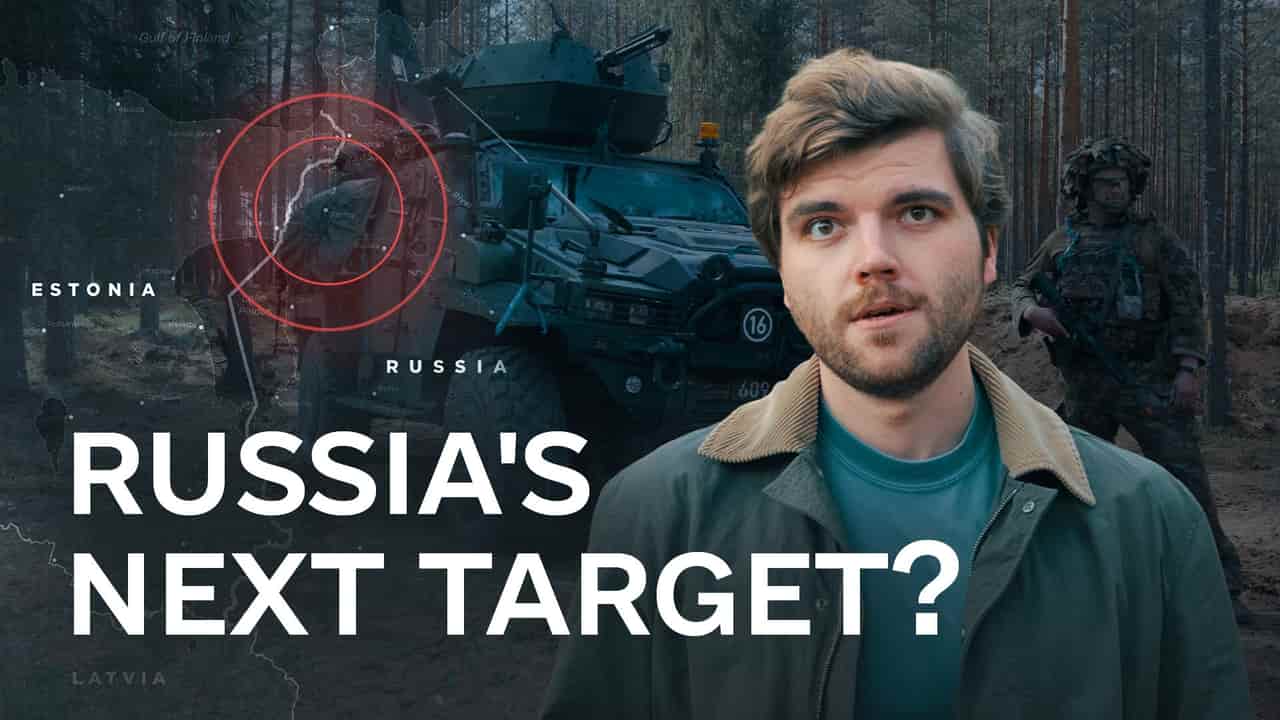
Estonia is significantly altering its defense posture in anticipation of a potential Russian attack, moving from a passive territorial defense to an active, preemptive strategy. The country aims to achieve maximum autonomy, preparing to withstand a complete blockade for at least 30 days without external assistance. This includes ensuring citizens can survive independently for a minimum of seven days, with priorities on energy, communications, food, fuel, medical services, and public media.
The military's new doctrine emphasizes deep strikes into enemy rear areas to neutralize threats before they reach Estonian territory, thereby reducing civilian casualties and preventing large-scale battles on home soil. This strategic shift acknowledges Russia as the primary threat to the Euro-Atlantic area, citing its imperialist ambitions and identifying China, North Korea, Belarus, and Iran as its allies.
Estonia's exposed strategic position has been highlighted in wargaming exercises, which suggest the country could be overrun within 48 hours. The credibility of NATO's Article 5 on collective defense is seen as intrinsically linked to Estonia's security, prompting the alliance to implement 'tripwire' forces as a compromise to bolster deterrence.